Archive
All Posts
- Read
Nietzsche’s Philosophy
What remains when inherited sources of truth, morality, and meaning lose their authority?
- Read
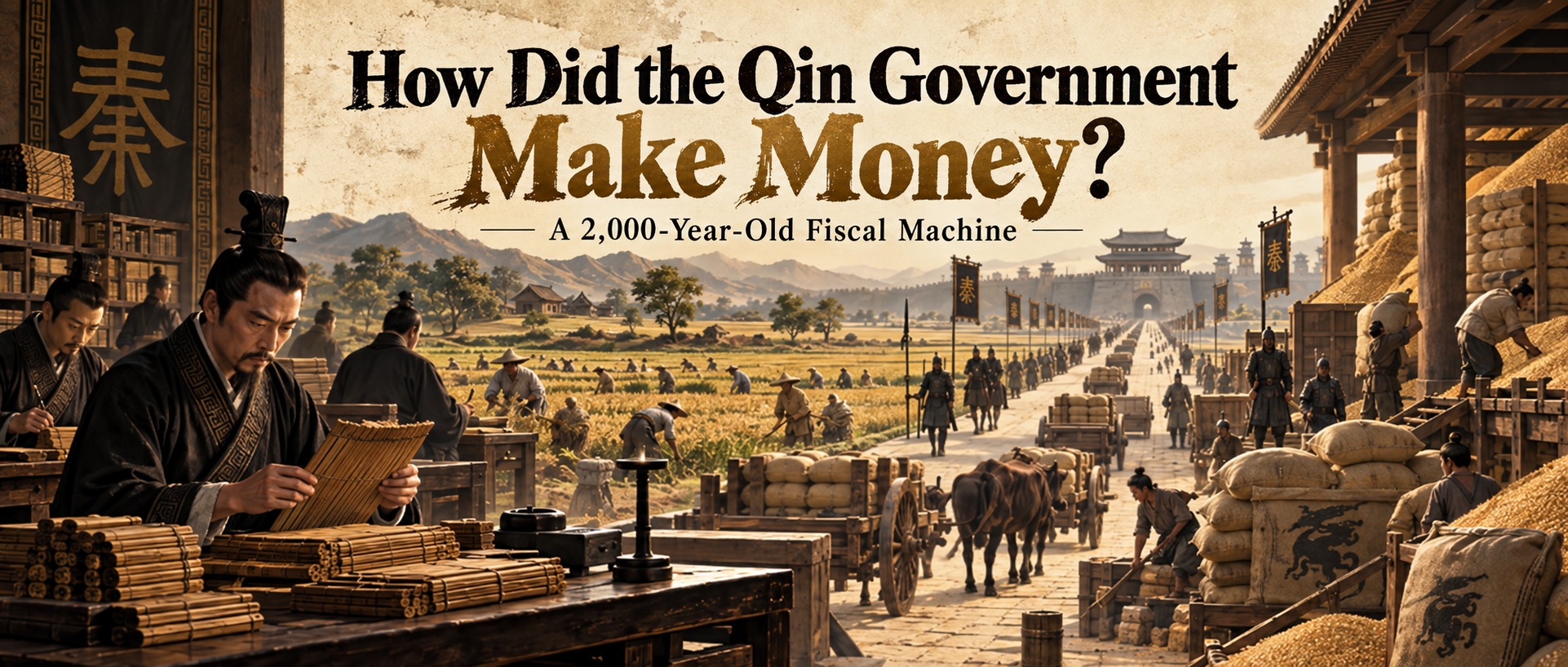
From Land Taxes to Corvée Labor: How Qin Funded an Empire
Qin had no modern income taxes or bond market. Its fiscal power came from turning land, households, grain, labor, and military manpower into resources the state could identify and mobilize.
- Read
Why Progress Gets Stuck
Medicine reveals why scientific knowledge does not automatically become affordable, scalable improvements in everyday life.
- Read
How Singapore Governs
How parliamentary government, professional administration, open markets, fiscal rules, compulsory savings and public housing reinforce one another.
- Read
Singapore: From Strait Port to Global City-State
How a small island converted location into connectivity—and connectivity into state capacity.
- Read
Finance: Describing, Controlling, and Proving Reality
Finance is not merely about handling money or keeping books. It abstracts real operations into economic information, governs resource use, and preserves traceable evidence of responsibility.
- Read
An Economic History of France
How France evolved from an agrarian kingdom into a modern economy through royal finance, revolution, industrialization, state planning, welfare, and high-value industry.
- Read
How Can the French Work Less and Still Afford Generous Welfare?
How the French model exchanges a large share of private income for collective security—and why ageing, weak growth and public debt are making that bargain more expensive.
- Read
A Brief History of France: From Monarchy and Revolution to the Republic
How France built a centralized state and spent two centuries negotiating liberty and authority, equality and elite rule, revolution and republican government.
- Read
Food Safety for Children Aged 2–3: A Practical, Evidence-Based Family Guide
An evidence-based family guide to choking prevention, foodborne illness, allergy emergencies, fish safety and first aid for toddlers aged 2–3.
- Read
Where Does China’s Government Revenue Come From?
A data-driven guide to China’s taxes, land-sale proceeds, state capital income, social insurance funds, central-local transfers and government debt.
- Read
Pakistan and the New Rules of a Multipolar World
Pakistan shows how middle powers use geography, security capacity, cross-border networks and diplomacy to create strategic room without rigid alignment.
- Read
Taxes in a Chinese Life
From birth to retirement, follow the life of Xiao Lin and discover the taxes — both visible and invisible — that shape a Chinese person's financial journey. VAT, deed tax, vehicle purchase tax, PIT, and more.
- Read
Is Italy Really Rich? Growth, Jobs, Population, Education and the North–South Divide
Italy is wealthy but slow, resilient but divided. A comprehensive look at its economy, labour market, demographics, education, welfare system and the persistent North–South gap.
- Read
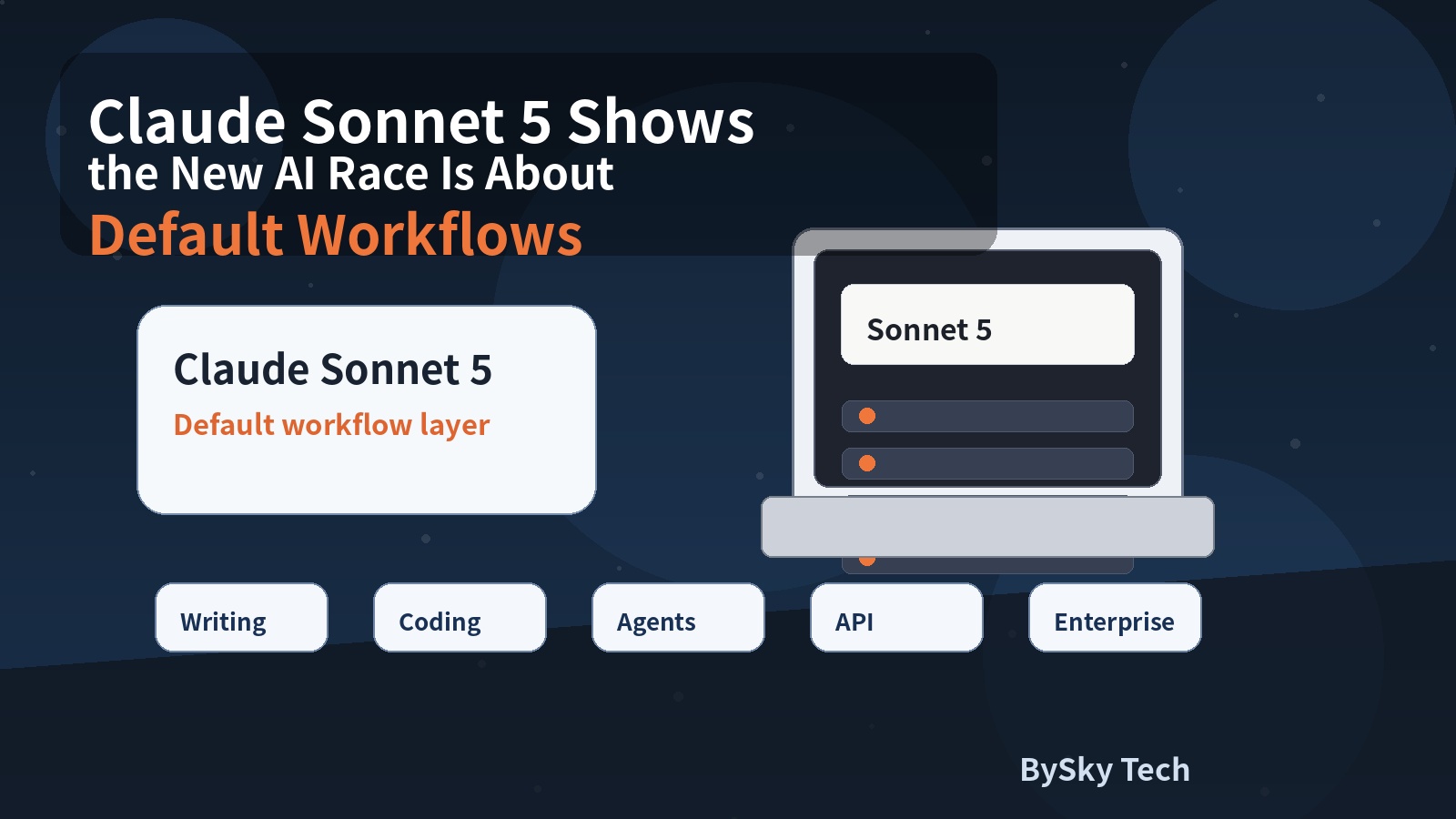
Claude Sonnet 5 Shows the New AI Race Is About Default Workflows
The next moat may be the place a model occupies in daily work, not only its benchmark score.
- Read
ChatGPT Adoption Shows AI Is Becoming a Daily Global Utility
OpenAI data reveals that users send 50% more messages after 6 months, non-English speakers now make up the majority of active users, and the number of distinct use cases per user has doubled — signaling ChatGPT is moving from a novel chatbot to a daily global utility.
- Read
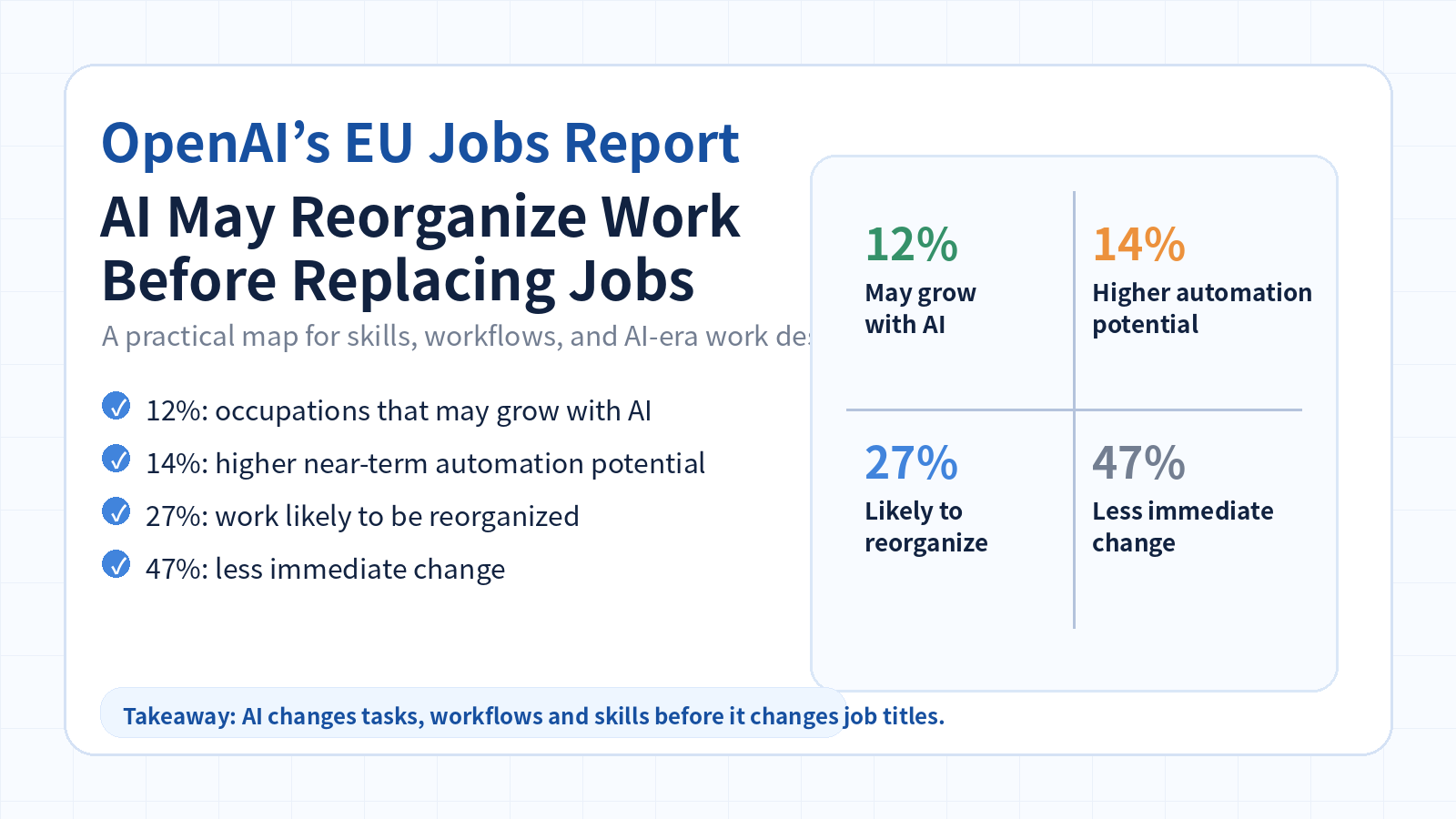
OpenAI's EU Jobs Report: AI May Reorganize Work Before Replacing Jobs
OpenAI maps 2,609 EU occupations across four AI transition archetypes. The largest near-term story may not be automation — it may be workflow reorganization.
- Read
AI Agents Are Moving From Chat to Delegated Work
OpenAI research shows 80.6% of Codex users have delegated tasks exceeding 30 minutes of human work. The age of AI-as-chatbot is giving way to AI-as-delegated-worker, and the implications extend far beyond software engineering.
- Read
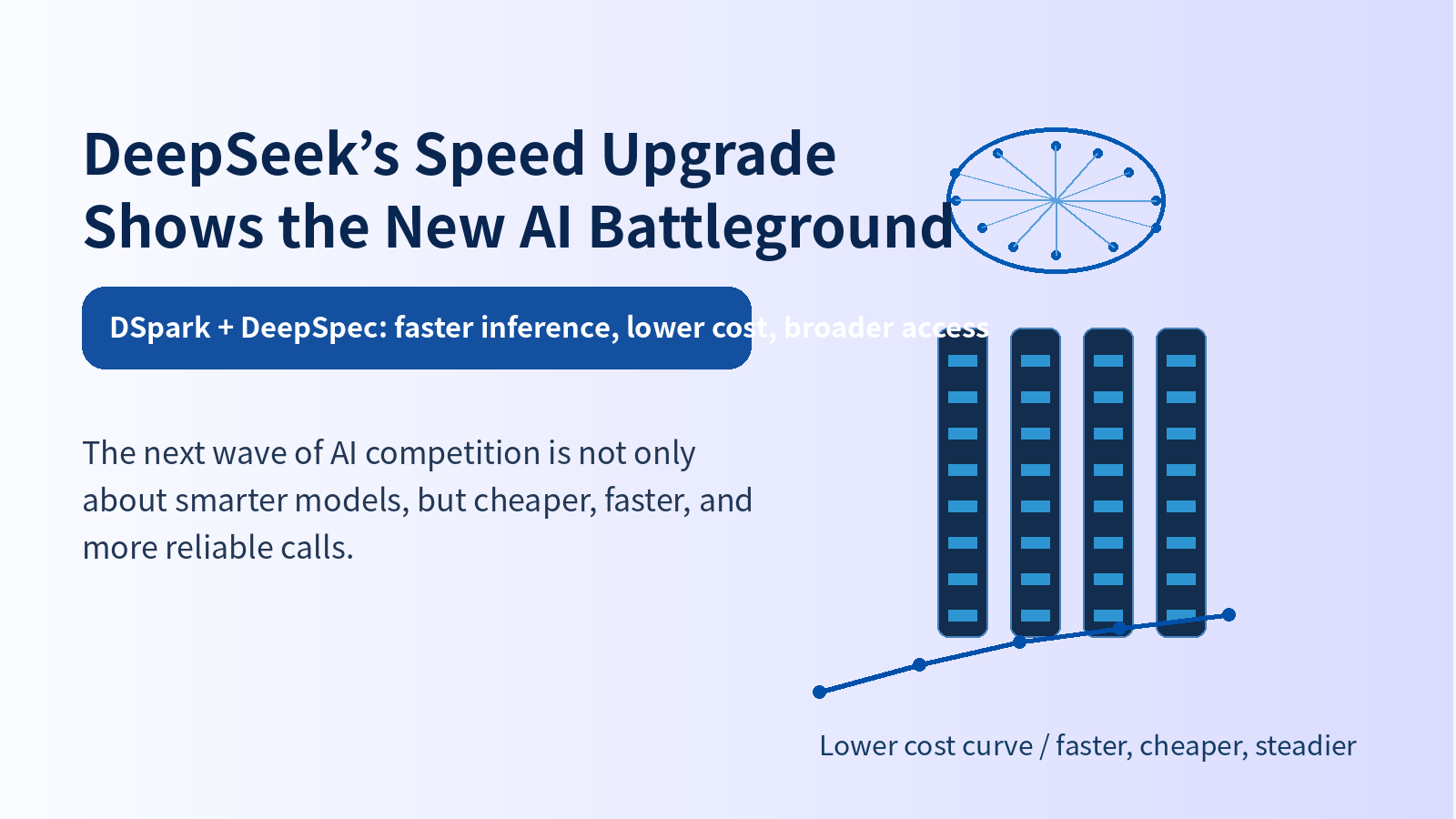
DeepSeek's Speed Upgrade Shows the New AI Battleground
DeepSeek V4 introduces DSpark speculative decoding, boosting inference speed by 60-85%. The next AI battleground is not smarter models but cheaper, faster, more reliable engineering.
- Read
Code from Nowhere: What AI Agents Really Take from Programmers
When AI coding tools move from chat suggestions to environment-level agents, code arrives faster — but understanding, maintenance, and responsibility become harder than ever.
- Read
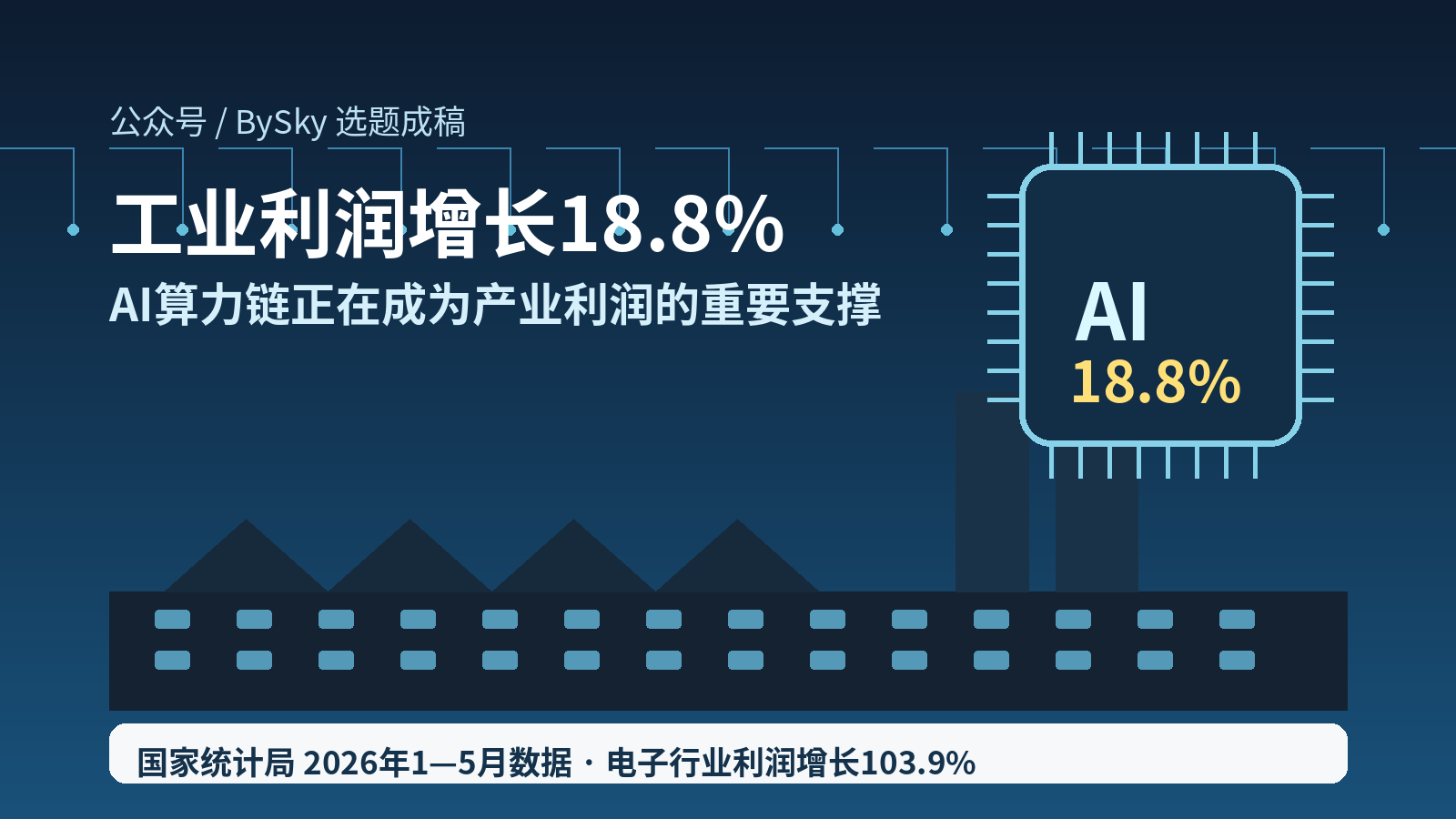
Industrial Profits Rose 18.8%: AI Computing Is Becoming a Manufacturing Profit Driver
China's January-May industrial data shows that AI is moving from model hype into hardware, manufacturing, materials, and profit statements.
- Read
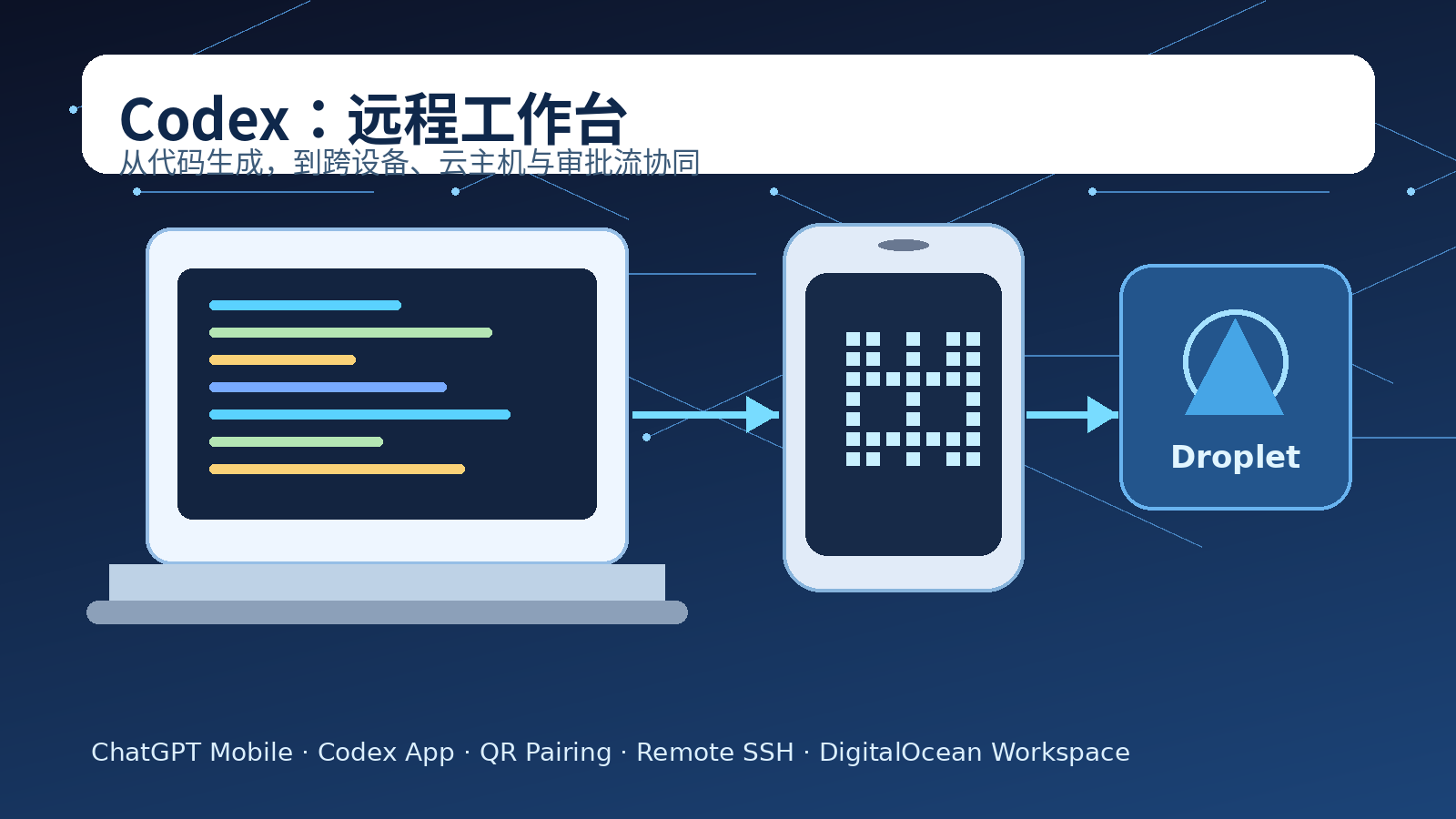
Codex Is Becoming a Remote Workspace, Not Just a Coding Tool
OpenAI Codex Remote reaches GA — Codex is shifting from a code generation assistant to a supervised remote workspace that connects mobile, hosts, SSH, and cloud environments into one workflow.
- Read
From Chatting to Working: Why AI Agents Finally Matter
AI is no longer just answering questions. A new generation of AI agents is starting to understand tasks, use tools, and deliver outcomes.
- Read
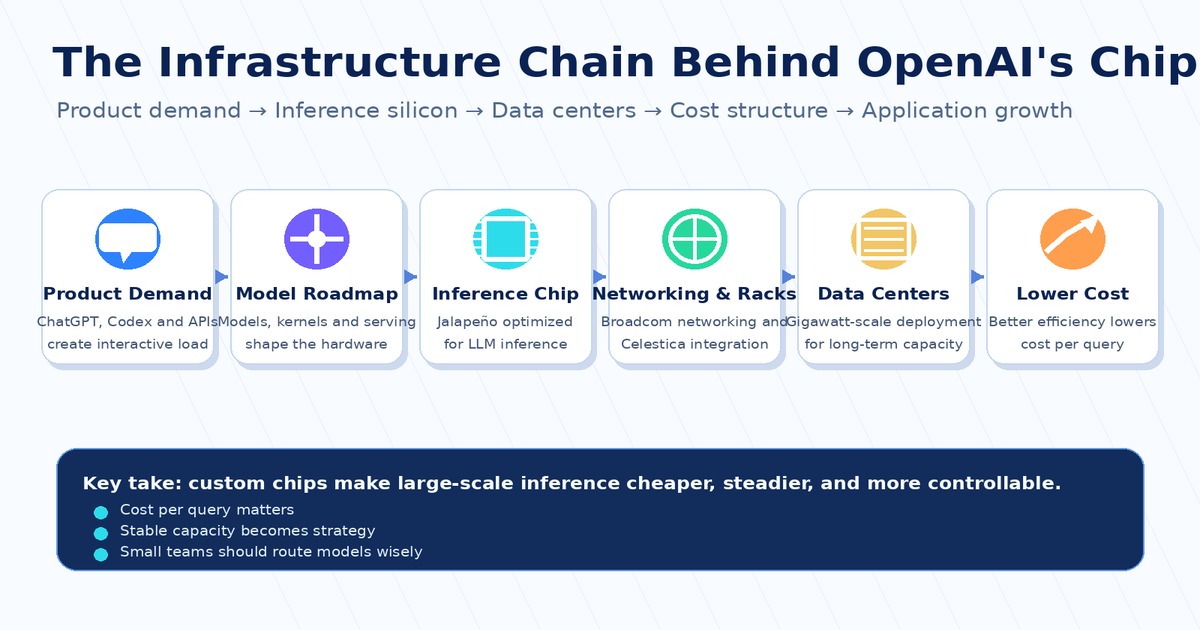
OpenAI's Custom Chip Shows the Next AI Battleground: Compute
OpenAI and Broadcom unveiled Jalapeño on June 24, 2026 — not just a chip announcement, but a signal that AI competition is shifting to compute infrastructure.
- Read
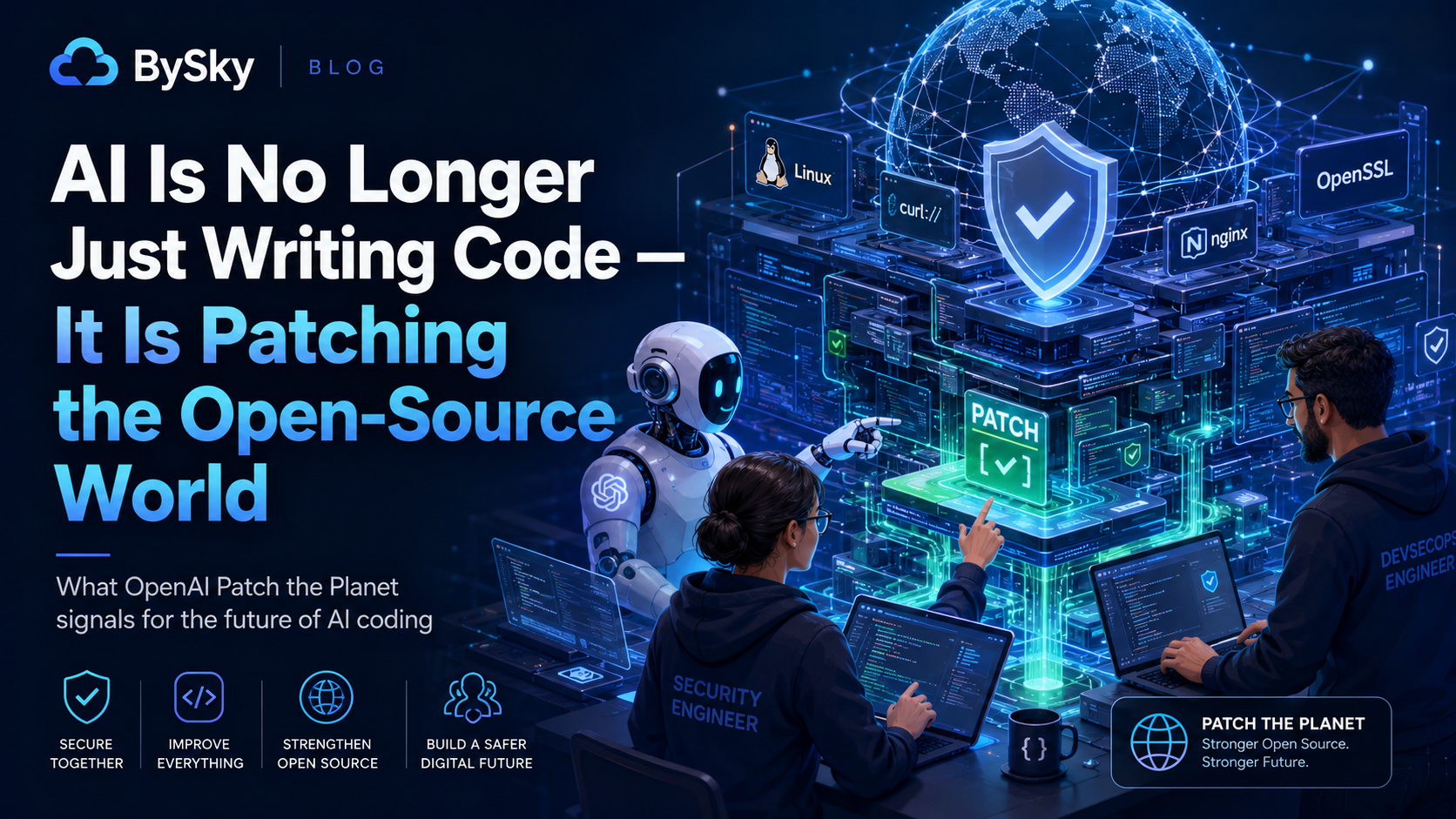
AI Is No Longer Just Writing Code — It Is Patching the Open-Source World
OpenAI's Patch the Planet initiative, launched June 22 2026, marks a shift: AI moves from helping developers write code to securing the open-source infrastructure everyone depends on.
- Read
Morning Briefing: Greenspan, SpaceX, Hormuz Strait, and the Global Economy
Alan Greenspan dies at 100, SpaceX sheds $400bn, 400+ ships queue near Hormuz, and America's allies look to go independent — a round-up of the day's top economic stories.
- Read
Prompting Is Not Magic. It Is Structured Thinking.
15 practical ChatGPT prompting habits for people who want better outputs, not longer answers — based on the WIRED guide, rewritten for builders, writers, solo developers, and knowledge workers.
- Read
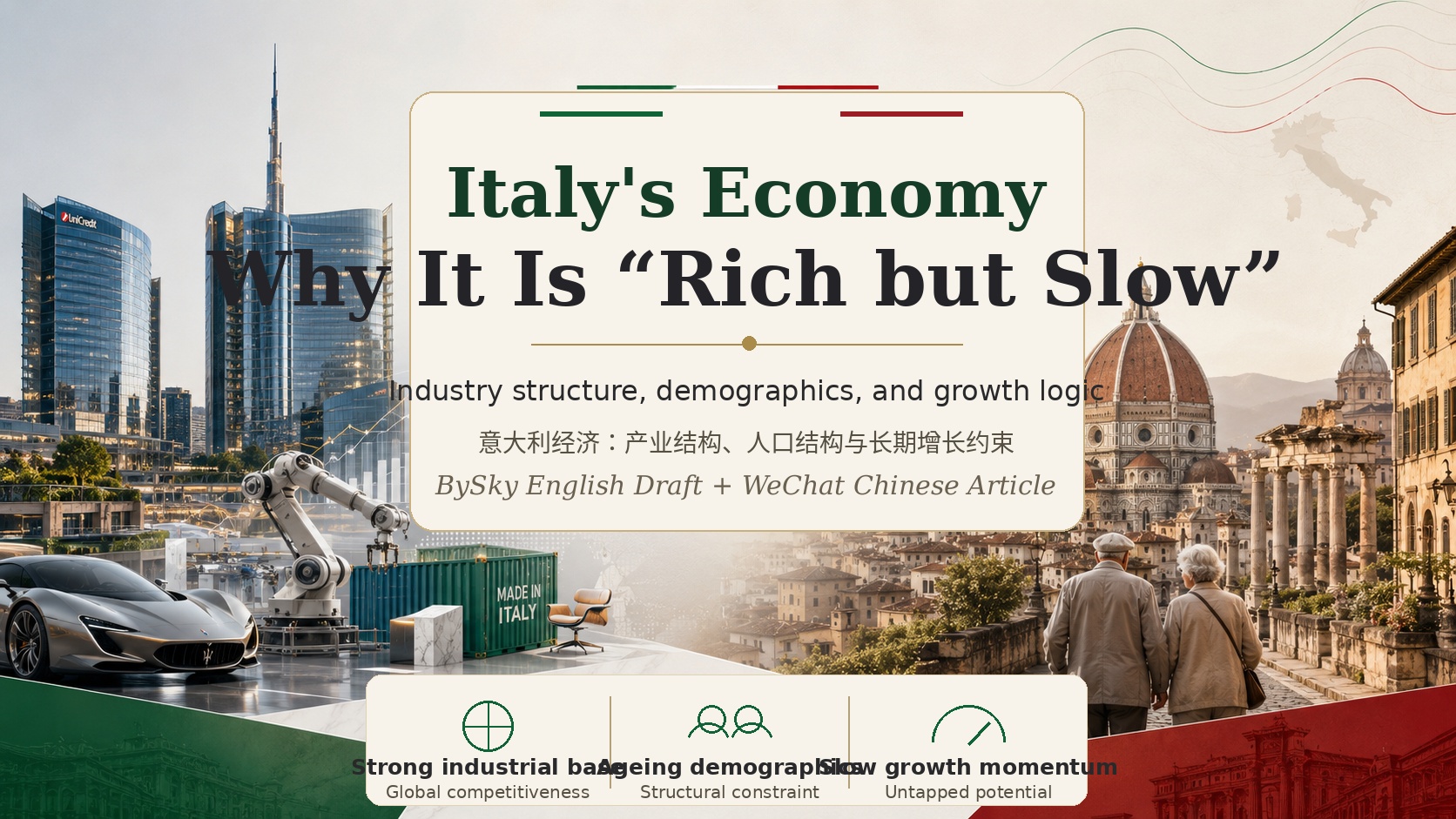
Italy's Economy Is Rich, Skilled — and Getting Old
Italy is a wealthy, advanced economy with deep industrial capabilities, world-class brands, a powerful tourism engine — and one of the oldest populations in Europe.
- Read
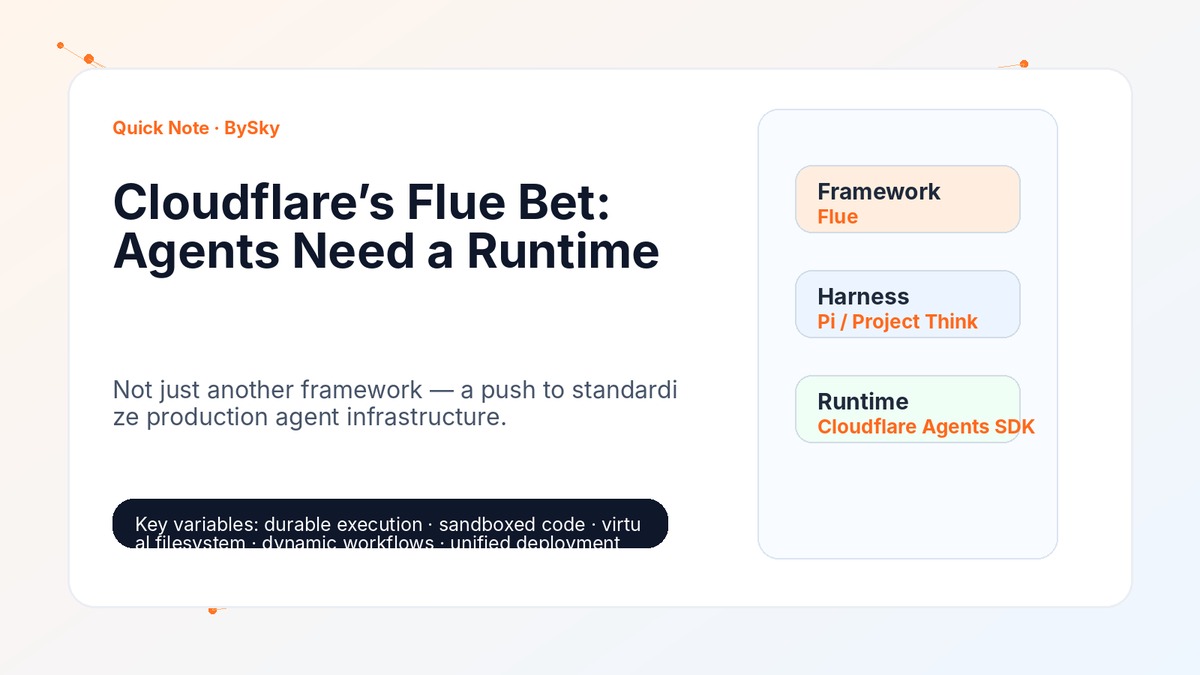
Cloudflare's Flue Bet: Agents Need a Runtime, Not Just a Framework
Cloudflare is trying to standardise the runtime layer for production agents — durable execution, sandboxed code, lightweight workspaces, and platform bindings.
- Read
I Can Only Say: I'm Jealous — Cursor's Founder Speedrun
The story of Cursor's founders, the rise of Anysphere, the SpaceX deal, and the painful FTX stake that could have become $3 billion.
- Read
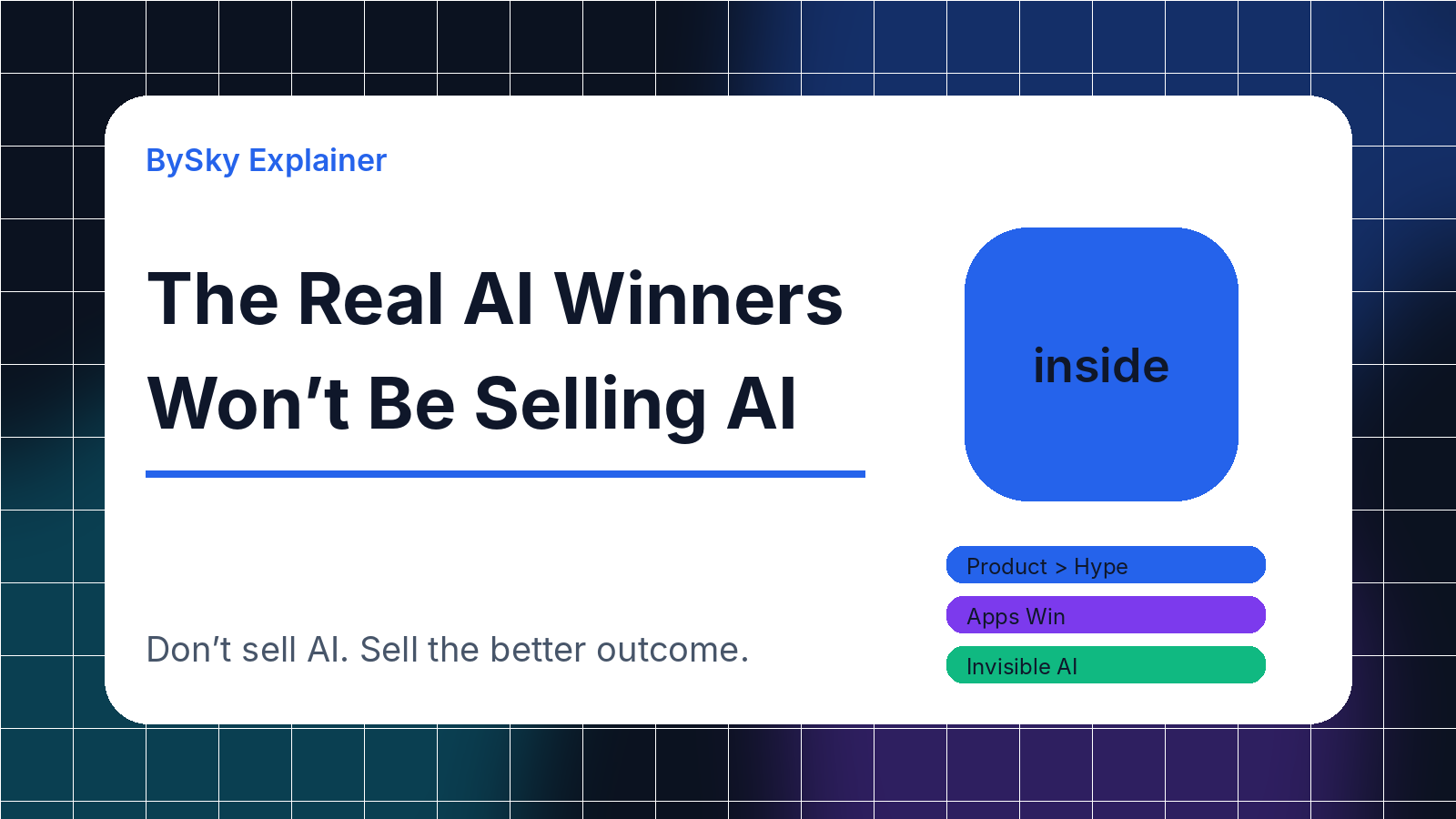
The Real AI Winners Won't Be Selling AI
AI pragmatism: don't sell the technology, sell the better product. The biggest AI winners may be application companies that use AI quietly to create better products and workflows.
- Read
AI Is Starting to Have Imagination: What Gemini Omni's World Model Actually Means
Google's Gemini Omni signals a shift from generating images to simulating worlds. What world models are, why they matter, and what they mean for ordinary people.
- Read
Running Local Models Is Good Now
Local large language models have crossed the usability threshold. A hands-on report from a developer running Gemma 4, OpenAI OSS-20B, and Qwen on an M2 Mac.
- Read
U.S. Personal Income Tax: Why It Is Far More Than a Rate Table
2026 brackets, standard deductions, the new 2025 tax law, state variation, capital gains treatment, and the enforcement architecture behind the U.S. individual income tax.
- Read
KPMG Pulls a Report Because of AI Hallucinations — and It Is Not Alone
A Big Four firm used AI to write a report about AI, and another AI tool caught the errors. Four organizations denied being cited. This is a systemic problem, not a one-off.
- Read
The SpaceX IPO Was the Signal. Hard Tech Is the Story.
SpaceX's record-breaking $160 debut created the first trillionaire and turned thousands of engineers into millionaires. But the real story is what it means for capital markets and hard tech startups.
- Read
A UK Police Officer Is Being Investigated for Using AI to Create Evidence
A Derbyshire police officer allegedly fabricated evidence across multiple cases using AI. The same week, the UK launched PoliceAI. The timing could not be more telling.
- Read
How to Make AI-Generated Frontend Code Stop Looking Cheap
Six practical techniques to eliminate the "AI look" from your generated UI — from design tokens to micro-interactions.
- Read
How Much Does AI Actually Cost? A Reality Check Behind the $7,500 Headline
The Ramp AI Index says AI-pilled firms spend $7,500 per employee per month. But the median company spends $11.38. Here is what AI actually costs and whether it is worth it.
- Read
Apple''s Privacy Paradox on Google''s Servers
Apple is running its most powerful Siri AI models on Nvidia hardware inside Google Cloud. Here''s why their privacy architecture might actually work.
- Read
Siri AI Privacy: Why Local Deployment Is the Endgame
Apple's Private Cloud Compute is a serious transition architecture, but the safer long-term direction for personal AI is local-first deployment.
- Read
ChatGPT Is Becoming an AI Superapp
OpenAI’s reported ChatGPT redesign shows a shift from chatbots to task-running AI agents, with Codex at the center.
- Read
Your Reader Is Not Human. It Is AI.
Ethan Mollick's shift from co-intelligence to co-existence shows how AI agents are becoming readers, reviewers, and gatekeepers for human attention.
- Read
AI Agents Are Becoming Coworkers. Who Is Watching Them Work?
Agentic AI is moving from demos into workflows. The hard part is no longer capability alone, but identity, governance, and accountability.
- Read
The AI Boom Is Becoming an Electricity Story
AI is not only a model race. It is also a grid, data center, affordability, and infrastructure story.
- Read
The AI Copyright War Is Really About Who Owns the Future of Knowledge
Copyright lawsuits against AI companies are not only about old books and training data. They are about how future knowledge systems will be funded and controlled.
- Read
AI Is Everywhere. Trust Has Not Caught Up.
Public attitudes toward AI remain cautious even as usage grows. The gap between adoption and trust may define the next phase of AI.
- Read
AI Regulation Is Becoming an Operations Problem
The EU AI Act shows how AI governance is moving from principles to documentation, controls, transparency, and day-to-day operations.
- Read
AI Will Not Transform Work Unless Workers Are Trained to Use It
The AI jobs debate often focuses on replacement. The more immediate bottleneck may be skills, adoption, and whether workers can actually use the tools.
- Read
For Teens, AI Is Becoming Homework Help and Emotional Infrastructure
Teen AI use is not just a school cheating story. It is also about search, creativity, advice, confidence, and where young people turn when they need help.





























No posts match this filter.
You have reached the end.