Singapore: From Strait Port to Global City-State
How a small island converted location into connectivity—and connectivity into state capacity.
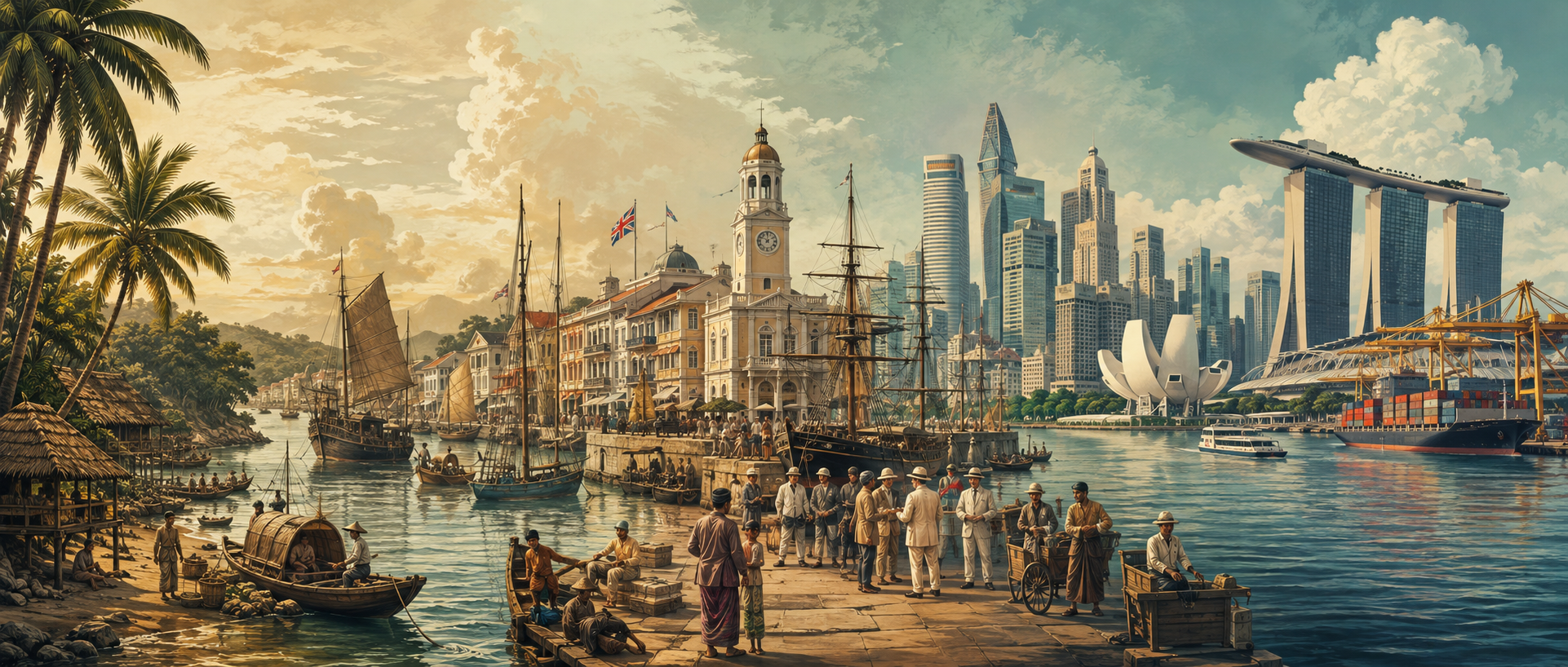
Singapore is often presented as a ready-made success story: a clean city, a global port, a financial centre and a highly capable state. That retrospective image can be misleading. In 1965, independence looked less like the completion of a national project than the beginning of an uncertain survival experiment. Singapore had little land, almost no natural resources, a small domestic market, substantial unemployment, social tensions and a heavy dependence on its surrounding region. Its modern history is therefore best understood not simply as a story of growth, but as a long effort to transform vulnerability into usefulness.
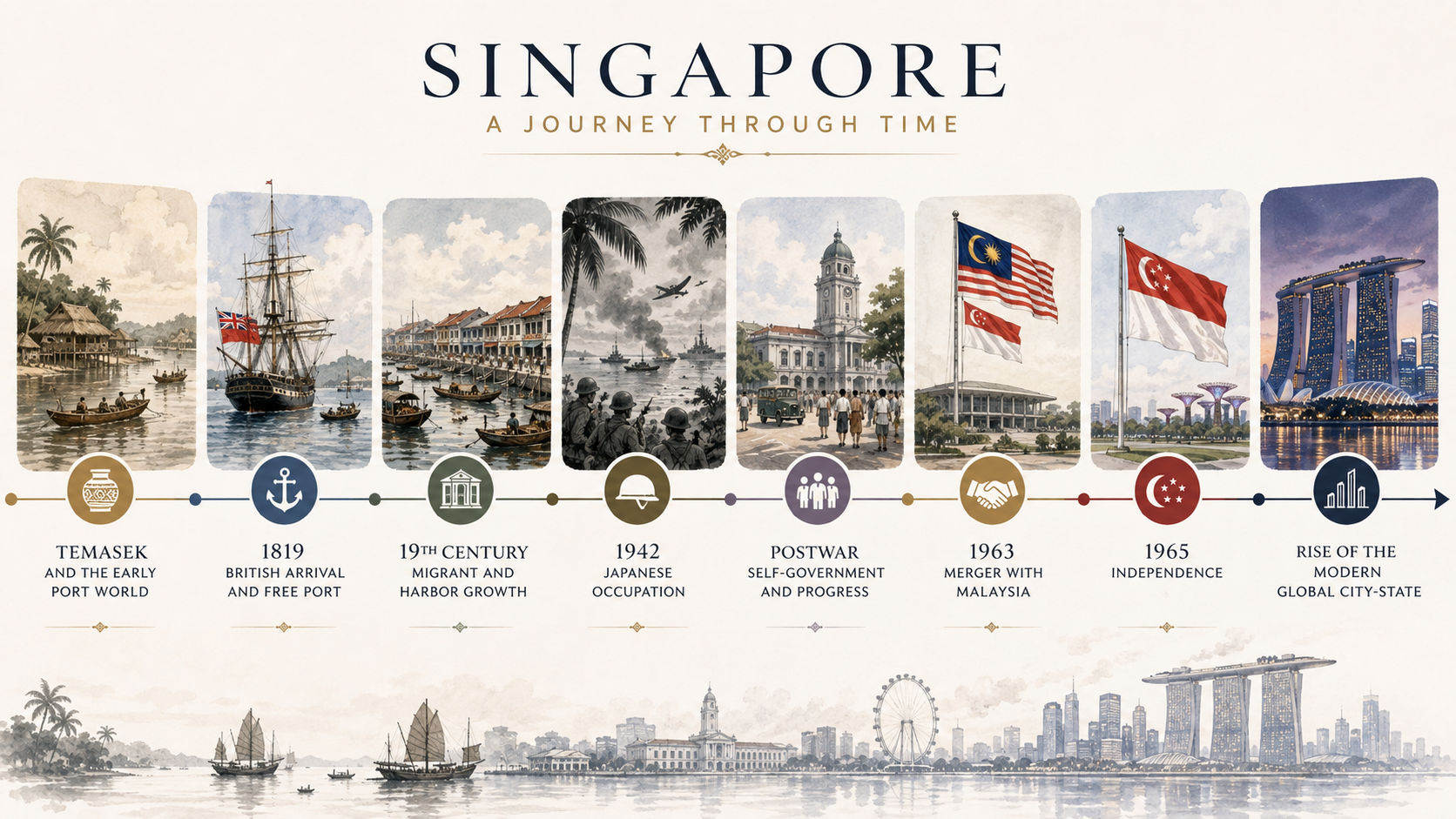
Figure 1 | A visual overview of Singapore’s historical transition from port settlement to global city-state
1. Before the Nation: Singapore as Part of the Maritime Malay World
Singapore’s geography mattered long before Singapore became a modern state. Located at the southern end of the Malay Peninsula and near the eastern entrance to the Strait of Malacca, the island sat close to one of the principal sea lanes linking the Indian Ocean with the South China Sea and East Asia. By the fourteenth century, a port settlement known as Temasek had already emerged in the area. The later name Singapura is commonly associated with the Sanskrit idea of a “lion city.”
Yet premodern Singapore was not a continuously independent kingdom. It existed within the political and commercial worlds shaped by regional powers such as the Malacca and Johor sultanates. Its earliest historical identity was therefore not that of a nation-state but of a node inside a larger maritime system. That distinction matters because the logic of the port—openness, exchange, movement and dependence on external networks—would remain central for centuries.
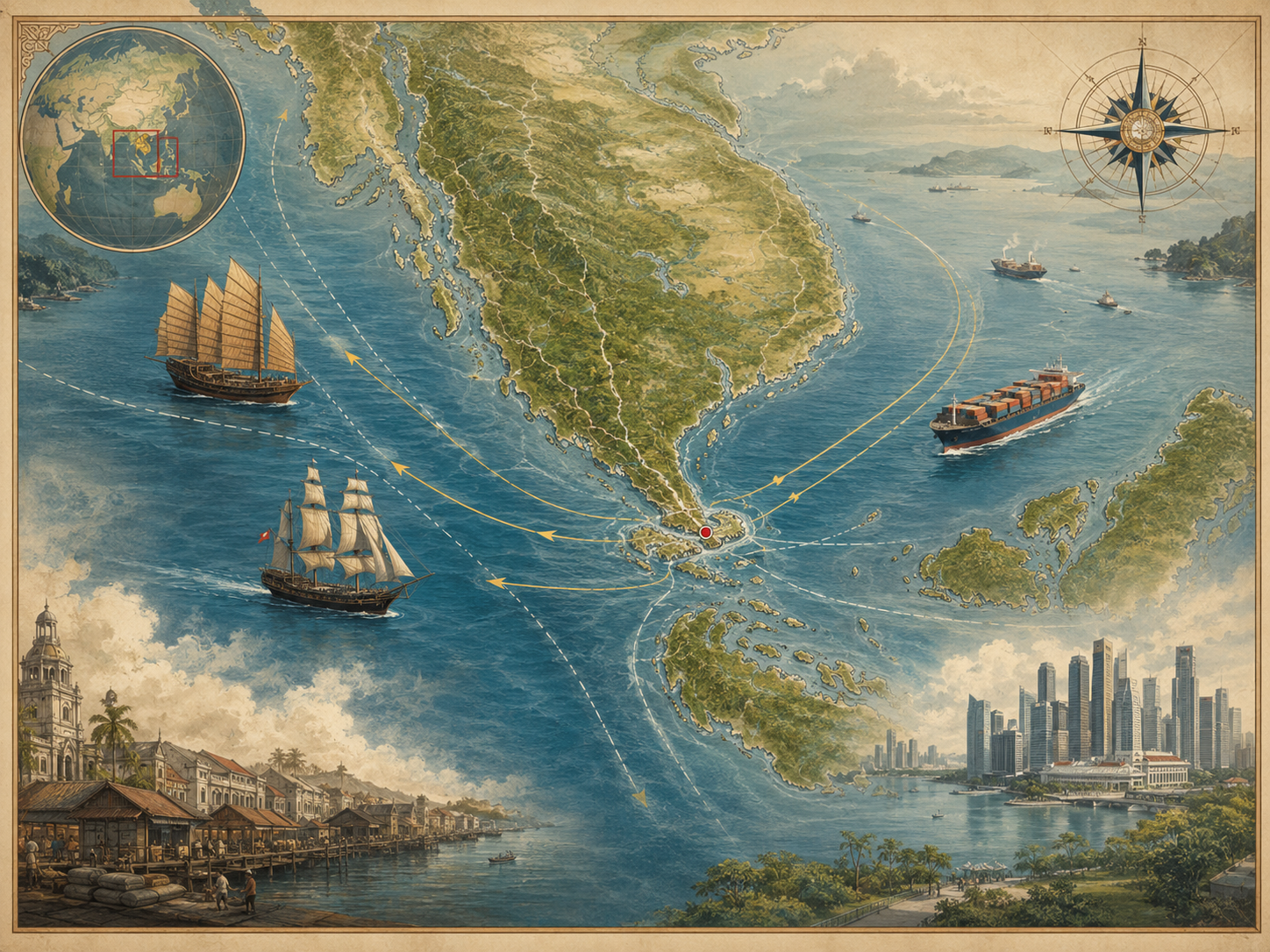
Figure 2 | Singapore’s strategic position near the Strait of Malacca shaped its role long before independence
2. 1819 and the British Free Port
The decisive break in modern Singaporean history came in 1819, when Stamford Raffles, acting for the British East India Company, established a British trading post on the island. Britain wanted a strategic base near the Strait of Malacca that could support trade between India and China while countering Dutch influence in Southeast Asia.
Raffles’s most consequential choice was to develop Singapore as a free port. Lower trade barriers and British imperial protection attracted merchants, labourers and intermediaries from China, India, the Malay Archipelago, the Arab world and Europe. Singapore rapidly became more than a colonial possession: it became a marketplace whose value increased as more ships, firms and commercial communities used it.
The underlying model was remarkably durable. A place with few natural resources could still prosper by reducing the cost of exchange. If it lacked a large domestic market, it could connect other markets. If it lacked a continental hinterland, it could create an institutional hinterland through ports, law, finance and services.
3. Colonial Growth and the Making of a Migrant City
During the nineteenth century, Singapore was incorporated into the Straits Settlements and became increasingly integrated into the British imperial economy. Steamships, the opening of the Suez Canal in 1869, and the expansion of tin and rubber production in Malaya all strengthened the port’s role as an entrepôt.
Growth generated enormous demand for labour and commercial expertise. Migrants from southern China—Fujianese, Cantonese, Teochew, Hainanese and Hakka among them—arrived in large numbers. Some worked as labourers and dockworkers; others built trading firms and regional networks. Indian and South Asian communities also became integral to the colonial city, while Malay society remained part of the island’s deeper regional setting.
Modern Singapore therefore emerged from several overlapping historical layers: a Malay maritime environment, Chinese migration networks, Indian and South Asian communities, and British legal and administrative institutions. Its later national identity would have to reconcile rather than erase this diversity.
4. 1942: The Fall of Singapore and the Collapse of Imperial Certainty
The Japanese conquest of Singapore in February 1942 was both a military disaster and a political rupture. Britain had invested heavily in the idea of Singapore as a major imperial fortress, but Japanese forces advanced rapidly down the Malay Peninsula and forced the British surrender on 15 February 1942.
The occupation lasted until 1945 and brought severe hardship, repression and violence. The Chinese community suffered particularly grievous persecution, including the Sook Ching killings. For residents, the war transformed abstract geopolitical conflict into a direct experience of fear, scarcity and coercion.
The long-term consequence was the destruction of colonial invincibility. Britain returned after the war, but it could no longer claim the same legitimacy as the power capable of guaranteeing security and order. Self-government, labour politics, nationalism and decolonization moved rapidly to the centre of public life.
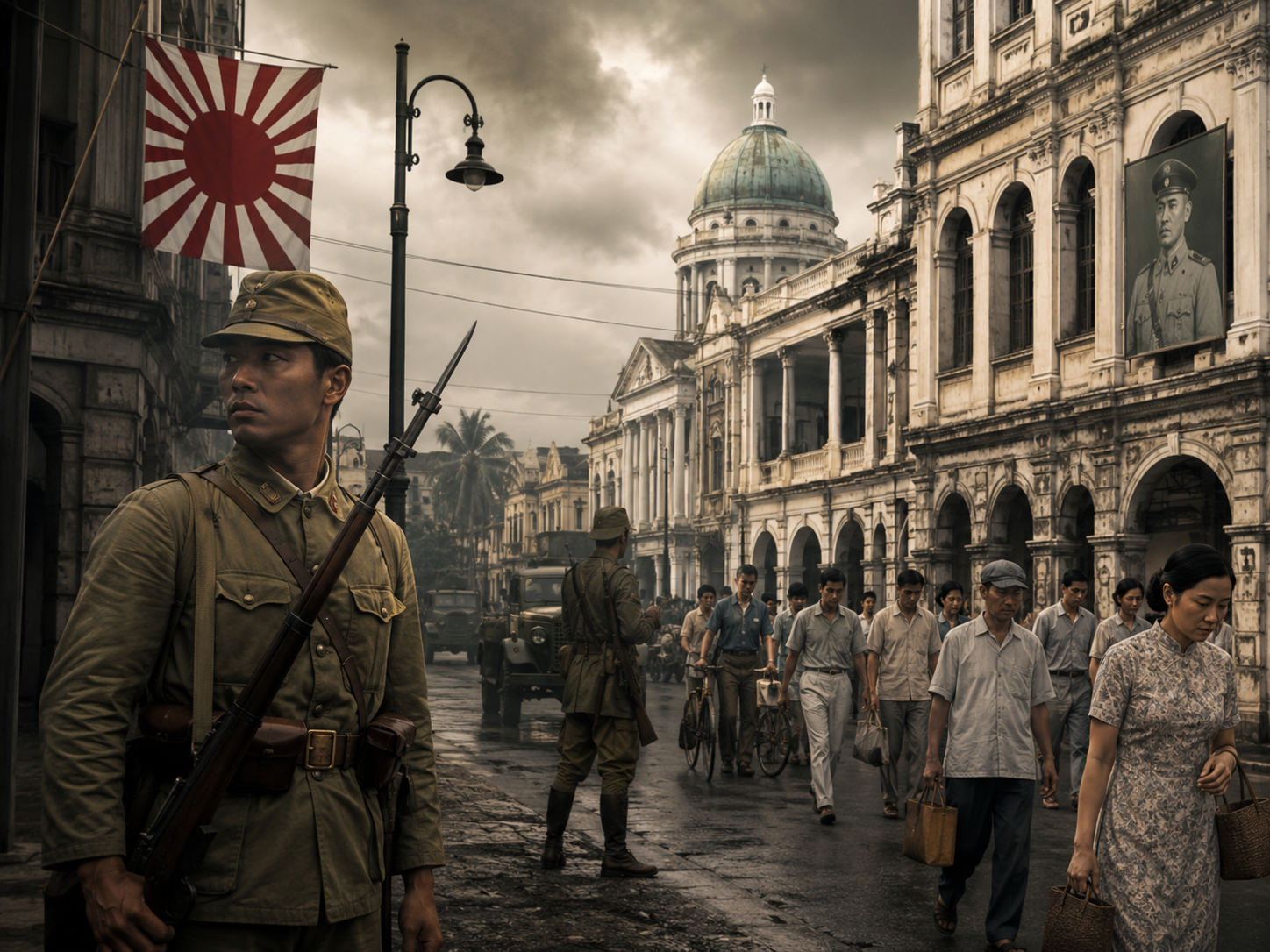
Figure 3 | The Japanese occupation shattered the assumption that colonial rule guaranteed security
5. The Rise of the PAP and the Politics of Self-Government
Postwar Singapore was politically intense. Trade unions, student groups, left-wing movements, English-educated professionals and Chinese-educated communities competed over the future of the colony. The People’s Action Party was founded in 1954 as a broad coalition rather than a fully unified ideological organization.
In 1959, Singapore achieved internal self-government. The PAP won the election and Lee Kuan Yew became prime minister at the age of thirty-five. At this point, the central political question was not yet how to build a permanently independent city-state. It was whether Singapore could secure a viable future by joining a larger political and economic federation.
6. Why Singapore Wanted Merger—and Why Merger Failed
For Lee Kuan Yew and much of the PAP leadership, merger with Malaya initially appeared rational. Singapore was small, resource-poor and heavily dependent on its surroundings. Access to a larger common market promised economic advantages, while federation offered a route out of colonial status. In 1963, Singapore joined Malaya, Sabah and Sarawak in the new Federation of Malaysia.
But the union quickly exposed incompatible political assumptions. Malaysia’s political structure recognized a special position for Malays, while the PAP increasingly promoted the idea of a “Malaysian Malaysia” based more strongly on equal citizenship across ethnic groups. Fiscal arrangements, common-market implementation, party competition and communal tensions added to the conflict. Racial riots in 1964 deepened the sense that the relationship had become unstable.
On 9 August 1965, Singapore separated from Malaysia and became independent. The moment is often remembered through the emotional television appearance of Lee Kuan Yew. The emotion reflected a fundamental reality: independence was not originally the preferred plan. It was an outcome forced by the failure of merger.
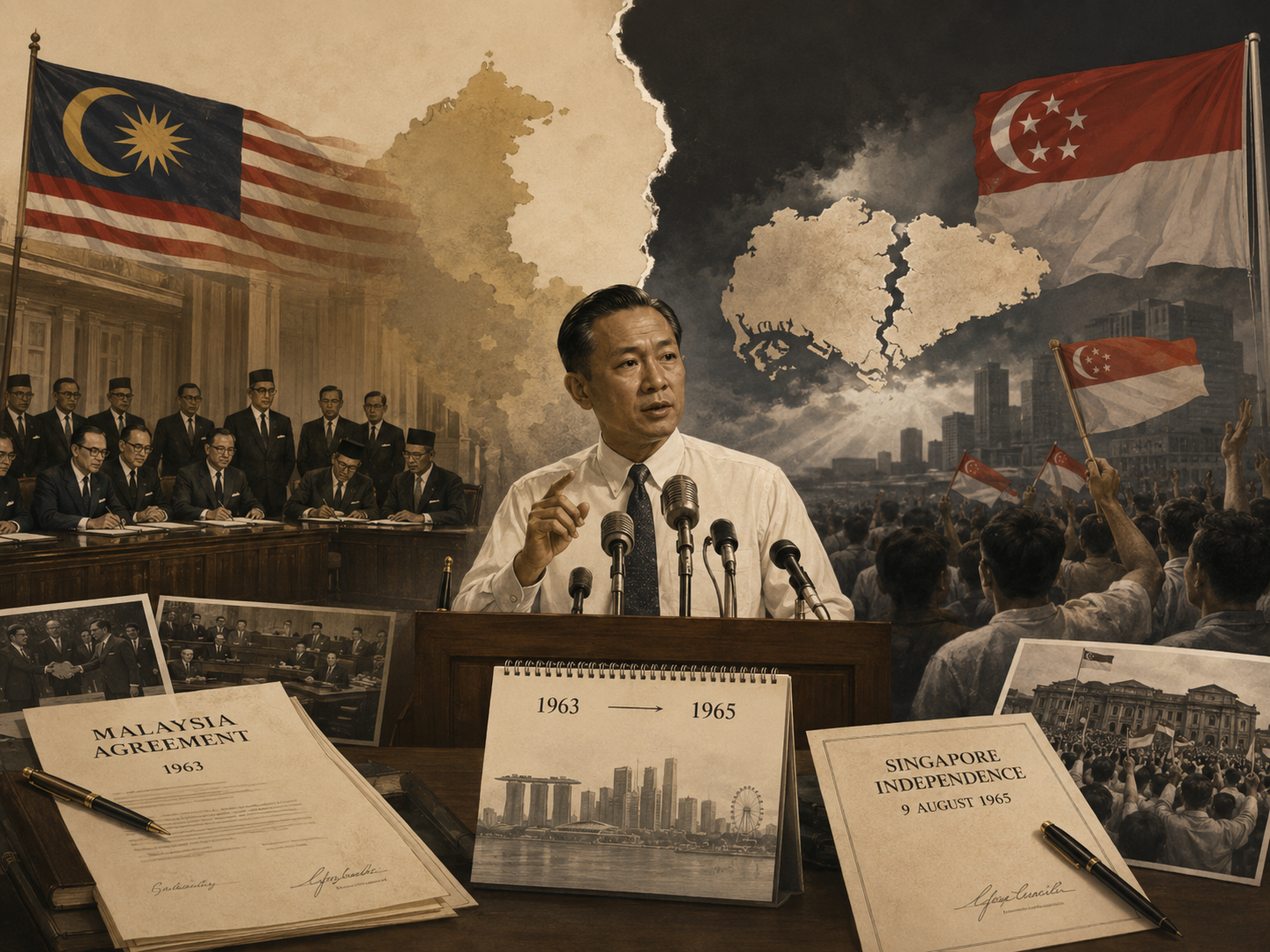
Figure 4 | Merger and separation, 1963–1965: independence emerged from political breakdown rather than a simple nationalist trajectory
7. 1965: Independence as a Problem of Survival
The Singapore of 1965 bore little resemblance to the affluent city-state of later decades. The new country had a narrow land base, a limited domestic market, high unemployment, serious housing problems, and continuing concerns over communal relations. British military withdrawal also threatened jobs and demand.
The central challenge was structural. Large states can rely to some extent on internal markets, natural resources or geographic depth. Singapore had none of these buffers. Its survival depended on making itself economically useful to external actors while building enough internal cohesion and capacity to preserve political autonomy.
Many later policies can be read as responses to this original vulnerability: export-oriented industrialization, public housing, English-language education, professional administration, anti-corruption enforcement, defence planning and the accumulation of reserves.
8. Export-Oriented Industrialization: Turning the World into a Hinterland
Singapore chose a strongly outward-looking development strategy. Jurong Industrial Estate became an early symbol of industrial ambition. The government actively courted multinational corporations from the United States, Europe and Japan, initially in labour-intensive manufacturing and later in electronics, petrochemicals, precision engineering, semiconductors, biomedical industries and advanced services.
The state’s role was broader than offering tax incentives. It invested in ports, industrial land, electricity, communications, transport, legal reliability and workforce training. Foreign firms were being offered an entire operating environment characterized by relatively low uncertainty and strong logistical connectivity.
In effect, Singapore treated the global economy as its external hinterland. Rather than attempting self-sufficiency, it specialized in becoming a place through which production, capital and trade could be organized efficiently.
9. Education and English: Building Human Capital in a Resource-Poor State
Human capital became the resource Singapore could actually accumulate. Education policy was closely linked to industrial upgrading, with strong emphasis on basic schooling, mathematics, science, vocational training and later higher education and advanced skills.
English served a dual function. Internationally, it connected Singapore to business, technology and global institutions. Domestically, it operated as a relatively neutral common working language in a society divided among major linguistic communities. Mother-tongue education was retained, creating a system that combined global access with cultural continuity.
Language policy was therefore not merely pedagogical. It was part of state-building: a way to prevent any single ethnic language from becoming the sole political basis of the state while giving citizens a shared public medium.
10. Public Housing as Social Engineering and Nation-Building
The Housing and Development Board, created in 1960, became one of the most important institutions of modern Singapore. Large-scale public housing addressed overcrowding, poor sanitation and urban insecurity, but the programme evolved into much more than a construction project.
Home ownership tied household wealth to social stability and long-term development. Housing allocation and ethnic integration policies also helped prevent the city from hardening into completely segregated communal enclaves. Everyday proximity became part of nation-building.
This is one of the distinctive features of the Singaporean model: state formation occurred not only through constitutions and elections but through apartments, neighbourhoods, schools, transport systems and shared urban routines.
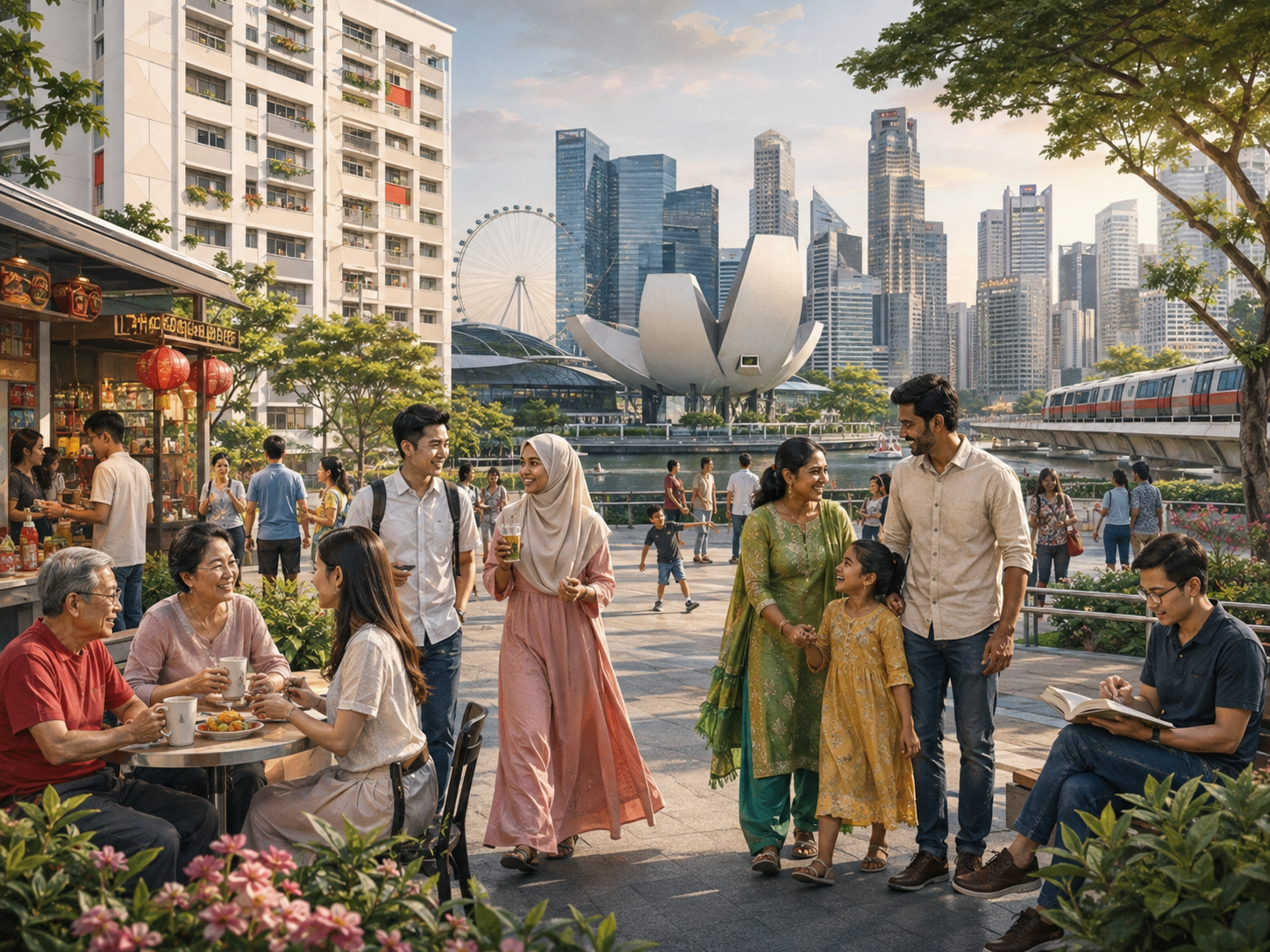
Figure 5 | Housing and shared urban space became instruments of social integration and national identity
11. Anti-Corruption, the Civil Service and Technocratic Government
Singapore’s administrative reputation rests on a combination of strong anti-corruption enforcement, a highly professional civil service and a political culture that values long-term policy implementation. Economic, legal, engineering and public-policy expertise became deeply embedded in the state apparatus.
This technocratic tradition helped the government coordinate industrial policy, land use, transport, housing and fiscal strategy over long horizons. It also contributed to a business environment in which rules were seen as comparatively predictable.
At the same time, the system has remained politically contested. Supporters emphasize stability, competence and clean government; critics point to constraints on political competition, media freedom, assembly and public dissent. Singapore’s history is therefore not a simple morality tale of efficient government, but a case in which high state capacity has coexisted with a tightly managed political order.
12. Economic Upgrading: From Factory Platform to Global Node
Singapore’s economic structure changed repeatedly. Labour-intensive manufacturing dominated the early phase; capital- and technology-intensive industries expanded in the 1980s; financial services, advanced manufacturing, logistics, biomedical industries and corporate headquarters became increasingly important from the 1990s onward.
Yet the underlying strategy remained consistent. Ports move goods, airports move people, banks move capital, courts and arbitration systems support contracts, universities move knowledge, and digital infrastructure moves data. Singapore’s deeper specialization is not any one sector but the organization of high-value flows.
This is why the city-state can be understood as a platform economy in the broadest historical sense: a trusted node that lowers the friction of cross-border activity.
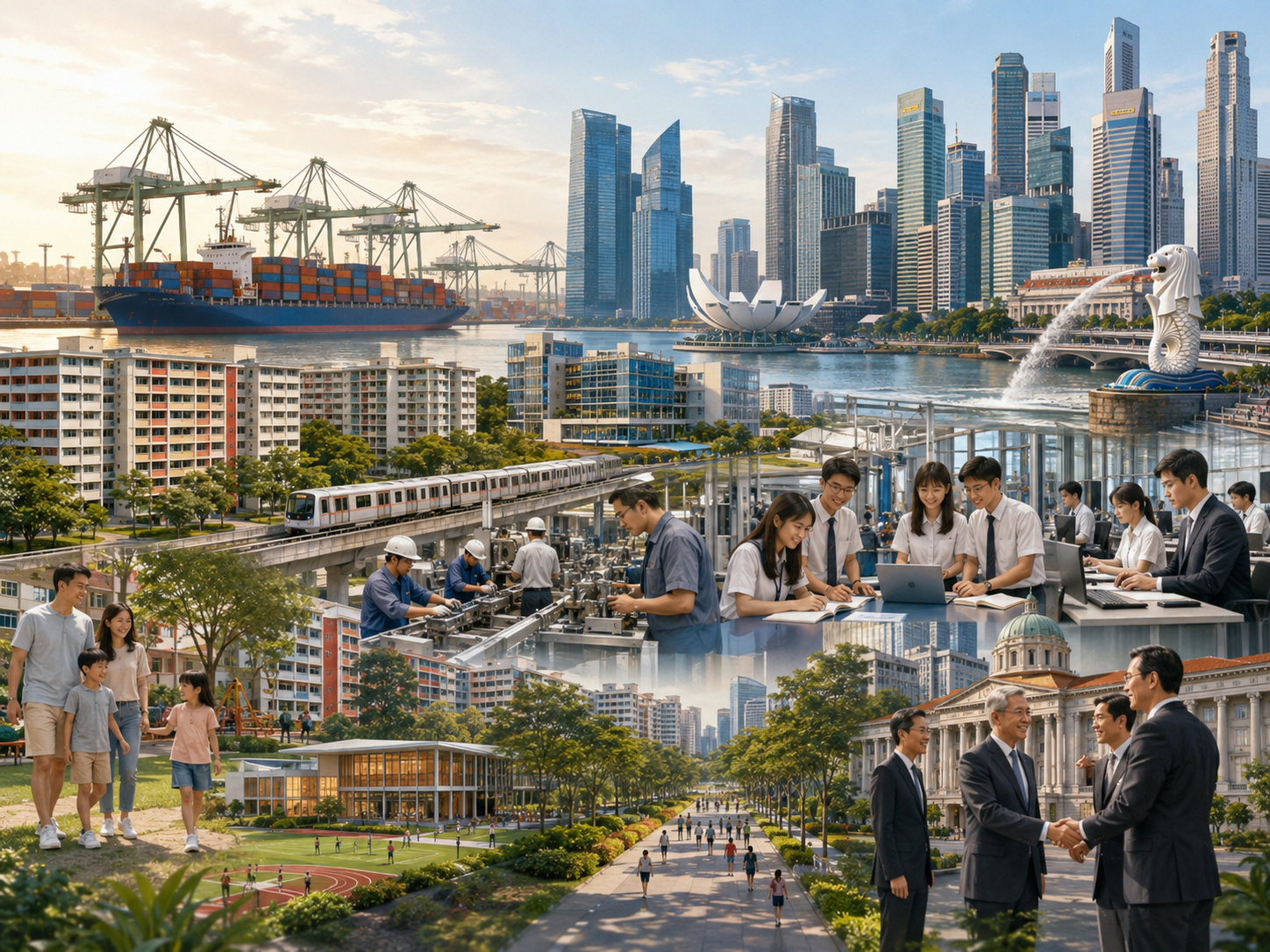
Figure 6 | Port, industry, housing, education and finance formed an interdependent development system
13. After Lee Kuan Yew: From Founding Leadership to Institutional Continuity
Lee Kuan Yew served as prime minister from 1959 to 1990. He was succeeded by Goh Chok Tong, and later by Lee Hsien Loong. Political leadership changed, but many core assumptions of Singaporean governance endured: fiscal prudence, strong administration, planned urban development, investment in human capital and constant attention to economic competitiveness.
This continuity suggests that Singapore’s later success cannot be explained only by the personality of one leader. The more enduring achievement was institutionalization: turning a founding generation’s survival logic into organizations, norms and policy routines that could continue after leadership transitions.
14. The Persistent Logic of Vulnerability
Singapore’s prosperity has never eliminated its vulnerability. A small country with little resource depth remains unusually sensitive to changes in shipping routes, global trade, technology, capital flows and regional security. That exposure helps explain the state’s continued emphasis on reserves, defence, skills, infrastructure and strategic adaptation.
The country’s historical mindset is therefore paradoxical. Success has produced confidence, but not complacency. The national narrative repeatedly returns to the idea that relevance must be earned and renewed. A city-state that cannot rely on scale must remain useful to larger systems.
15. What Singapore’s History Ultimately Shows
Singapore is not simply a miniature version of a large country. It is a highly engineered city-state whose institutions developed under the pressure of limited land, multiple ethnic communities, colonial legacies and external dependence.
Its history can be summarized as a sequence: Temasek, British free port, migrant colonial city, Japanese occupation, postwar self-government, merger with Malaysia, forced independence, export-oriented industrialization and global-city integration. But the deeper continuity is more important than the chronology.
Across two centuries, Singapore repeatedly converted location into connectivity and connectivity into state capacity. That is the central historical logic behind its transformation from a small port settlement into one of the world’s most consequential city-states.
Notes
All illustrations in this document were created as original editorial and historical visuals for explanatory use. They are not intended to substitute for archival photographs, exact cartography or statistical charts. The Chinese public-account edition, Chinese blog edition and English blog edition use different narrative structures while preserving the same core historical chronology and arguments.
How Singapore Governs
How parliamentary government, professional administration, open markets, fiscal rules, compulsory savings and public housing reinforce one another.
Why Progress Gets Stuck
Medicine reveals why scientific knowledge does not automatically become affordable, scalable improvements in everyday life.

An Economic History of France
How France evolved from an agrarian kingdom into a modern economy through royal finance, revolution, industrialization, state planning, welfare, and high-value industry.