An Economic History of France
How France evolved from an agrarian kingdom into a modern economy through royal finance, revolution, industrialization, state planning, welfare, and high-value industry.
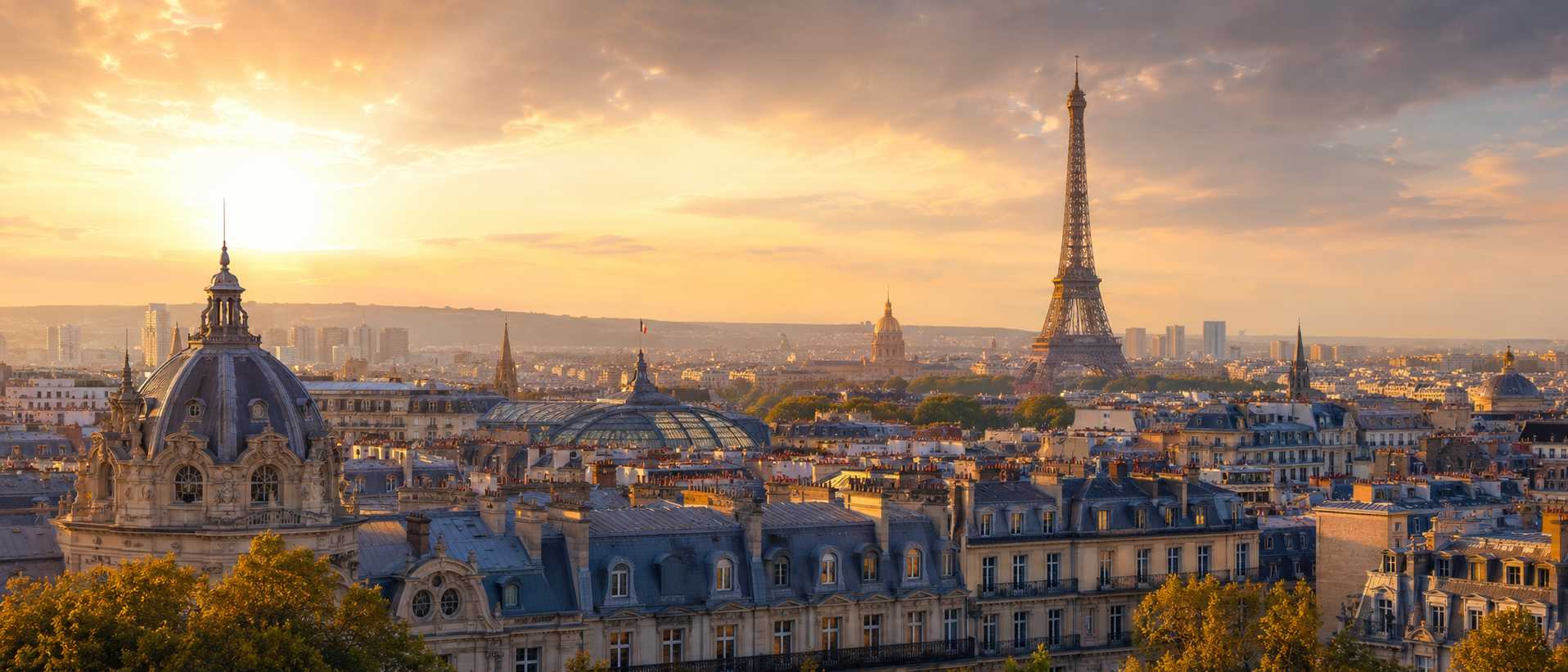
France did not rise through a single industrial revolution. Its modern economy was built layer by layer: agrarian wealth, royal finance, revolutionary reconstruction, industrialization, state-led modernization, and the welfare state.
If Britain’s economic history is associated with markets and the Industrial Revolution, America’s with capital, immigration and technology, and Germany’s with industry, banking and organization, the most useful word for understanding France is the state.
Markets have always mattered in France, but the state has rarely been willing to remain in the background.
1. France Began as a Wealthy Agrarian Power
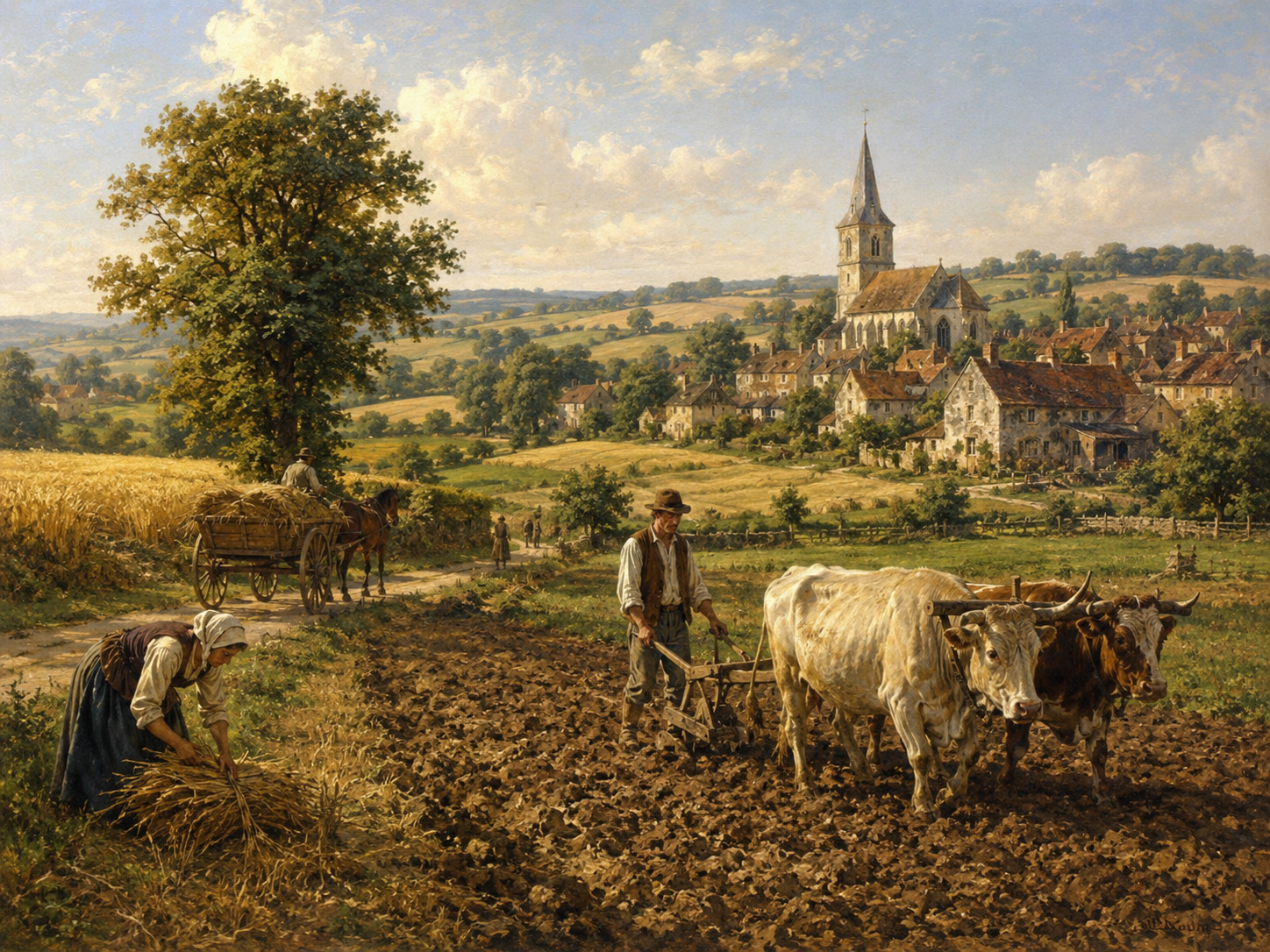
France’s early economic strength rested on land, population, and agricultural surplus.
From the Middle Ages into the early modern period, France’s greatest economic assets were not factories or overseas commerce but land and population.
Fertile soils, a favorable climate, numerous rivers, and one of Europe’s largest populations generated substantial agricultural output.
The logic was straightforward: more people meant more production and a larger tax base; a larger tax base supported armies and royal administration. France’s early great-power status therefore rested first on a huge domestic agrarian economy.
This also created a lasting tension: the state could be powerful even when private prosperity was much less impressive.
2. Louis XIV and the First French Attempt at State-Led Development
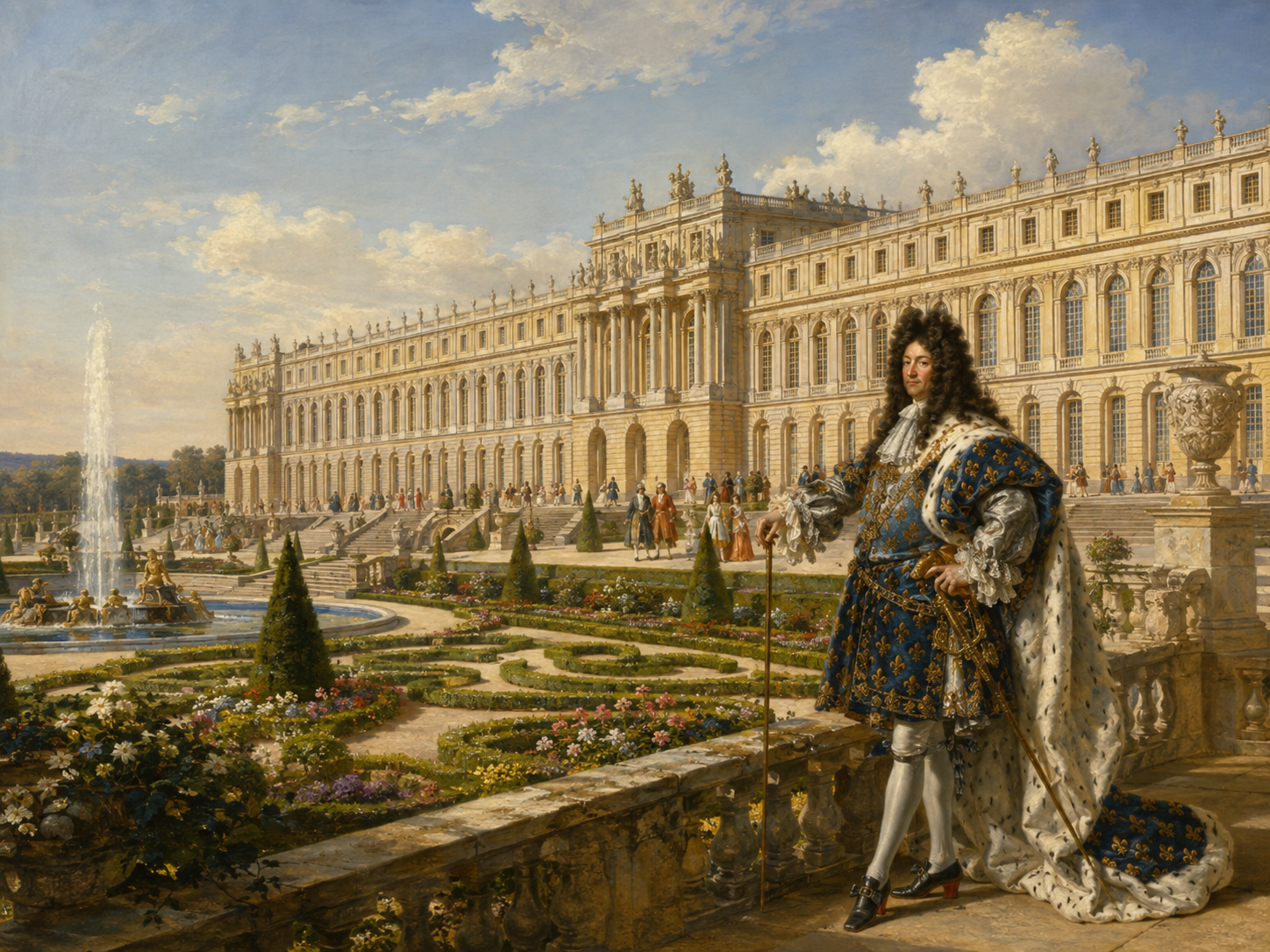
Royal power, court culture, and state-led economic policy under Louis XIV.
Louis XIV’s finance minister Jean-Baptiste Colbert became associated with what later came to be called Colbertism.
Its basic idea was that the state should do more than collect taxes: it should actively increase national wealth.
The government promoted manufacturing, royal workshops, product standards, roads, ports, protection for domestic industries, and overseas trade. Silk, glass, mirrors, textiles and luxury crafts all benefited.
Yet Versailles, the army and repeated wars were enormously expensive. France increasingly combined a powerful state with fragile public finances, a contradiction that led directly toward 1789.
3. Behind the French Revolution Was a Fiscal Crisis
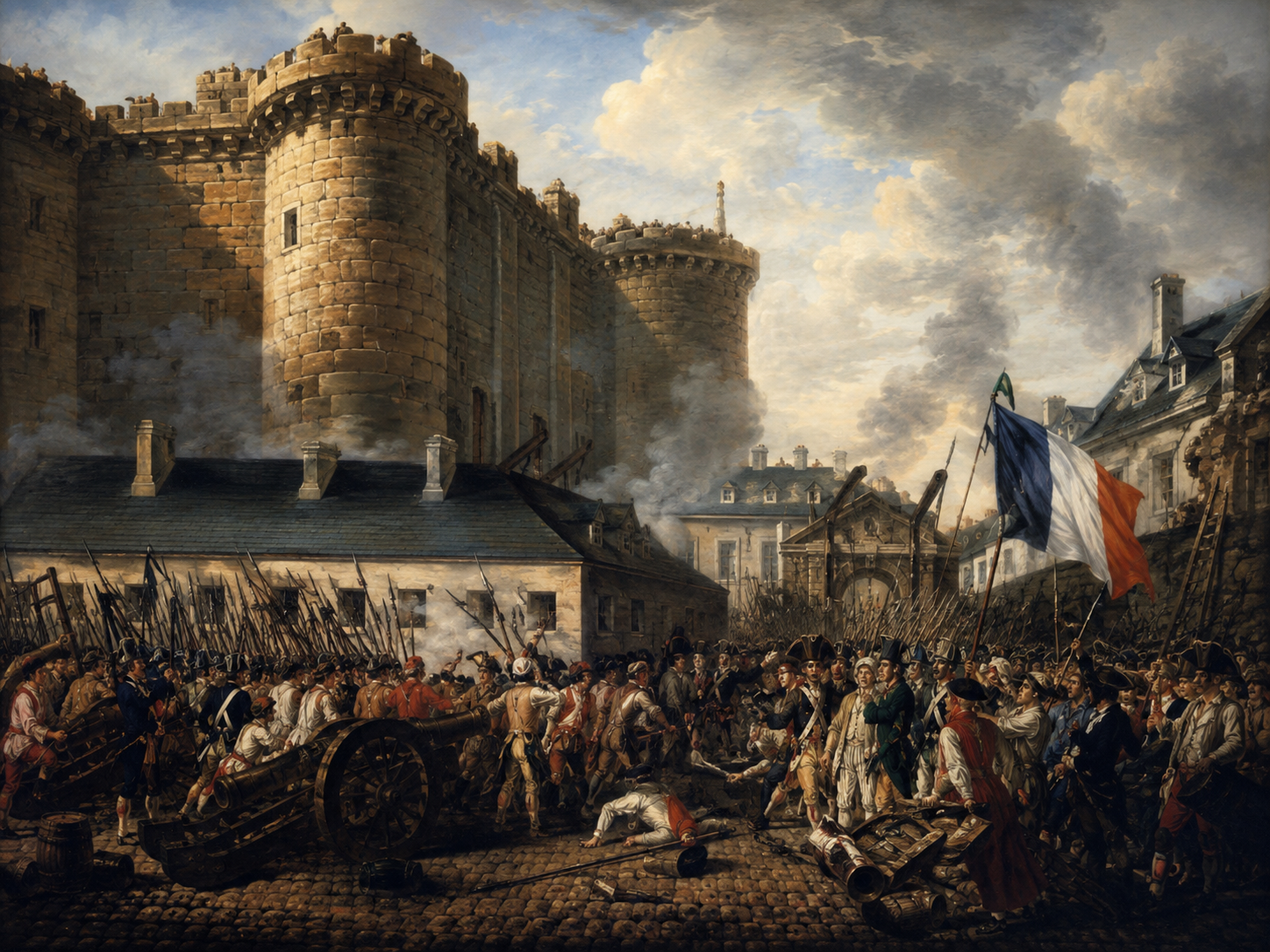
By 1789, fiscal breakdown and political revolution had become inseparable.
The Revolution is usually explained through liberty, equality, Enlightenment thought and social conflict. All of that matters, but there was also a very practical problem: the French government was running out of money.
Eighteenth-century wars, including the Seven Years’ War and French support for American independence, increased the debt burden.
At the same time, privileged nobles and clergy enjoyed important tax exemptions. The state needed revenue but struggled to tax those most able to pay.
Repeated fiscal reforms failed. Louis XVI summoned the Estates-General, and in 1789 the political crisis exploded. The Revolution was therefore also a reconstruction of a fiscal system that could no longer repair itself.
4. The Revolution Changed More Than the Monarchy
One of the Revolution’s most important economic effects was the destruction of many feudal relationships and privileges.
Church lands were confiscated and sold, guild restrictions and status barriers weakened, and rules governing property and contracts became more uniform.
Before the Revolution, France was not a completely unified economic space: regions could have different taxes, tolls, measures and privileges.
Afterward, France increasingly became a single national market. The metric system symbolized this standardization. In economic terms, the Revolution helped reduce internal transaction costs.
5. Napoleon Consolidated the New Economic Order
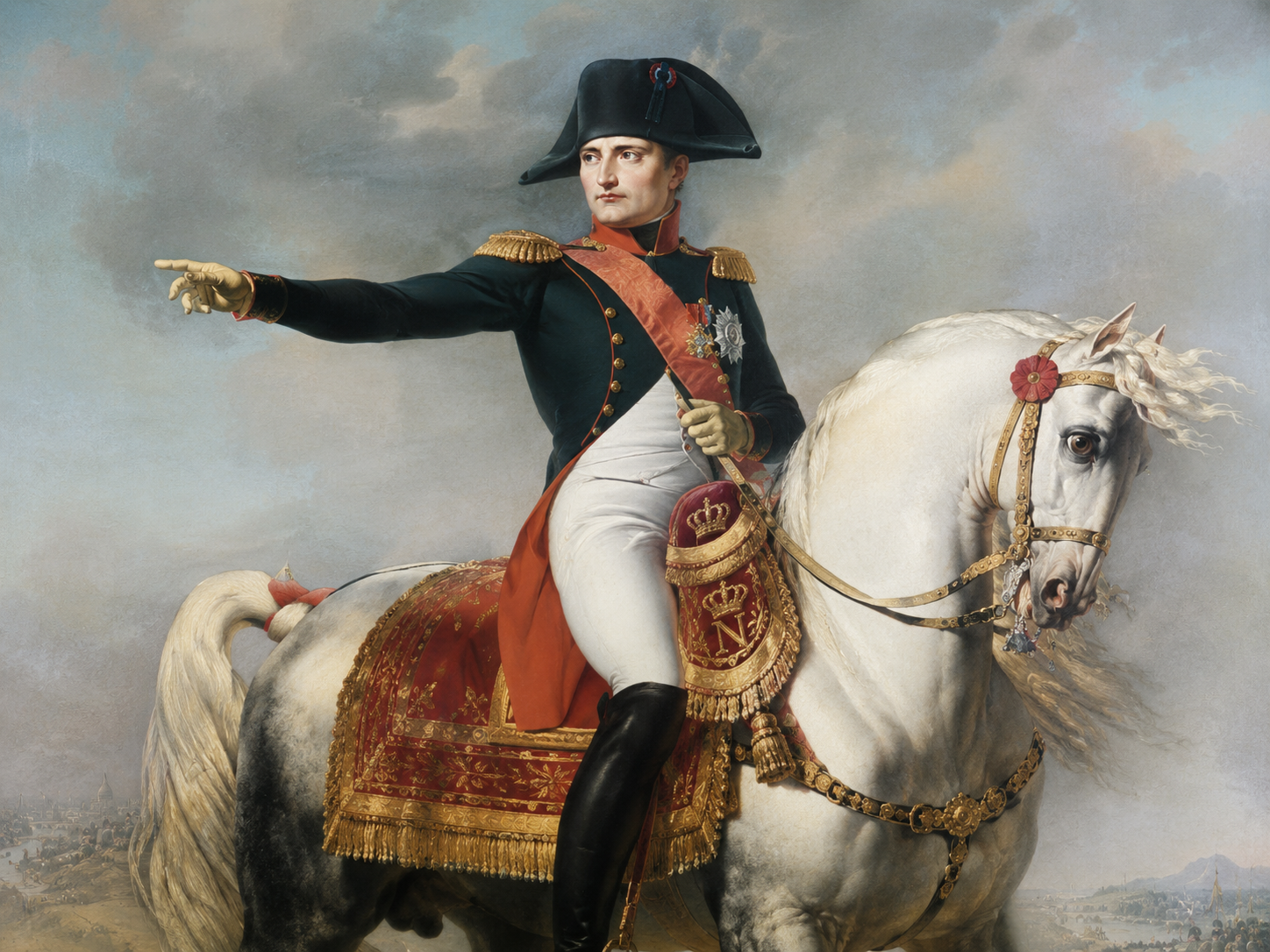
Napoleon helped institutionalize the legal, fiscal, and administrative order that followed the Revolution.
Napoleon is remembered as a soldier, but economically he was also an institution builder.
The Civil Code standardized property, contracts and civil relations. The Bank of France was founded in 1800. Tax administration and centralized government became stronger, while the education system trained engineers, officials and technical specialists.
A characteristic French pattern emerged: revolution dismantled the old order, and the state built the institutions of the new one.
6. Why Did the Industrial Revolution Begin in Britain Rather Than France?
France was not poor and it had talent, capital and markets, yet Britain industrialized much faster.
France retained a larger agricultural population and a strong small-farm economy; its coal geography differed from Britain’s; and revolution and war produced prolonged political instability.
Britain produced rapidly expanding industrial cities such as Manchester, Birmingham and Liverpool. France retained more small farms, small firms, artisanal production and high-quality manufacturing.
French industrialization therefore happened, but more slowly and with a different structure. France preserved a strong tradition of quality, branding and craftsmanship that later became visible in perfume, fashion, wine, jewelry, leather goods, art and fine food.
7. The Real Acceleration of French Modernization Came in the Mid-Nineteenth Century
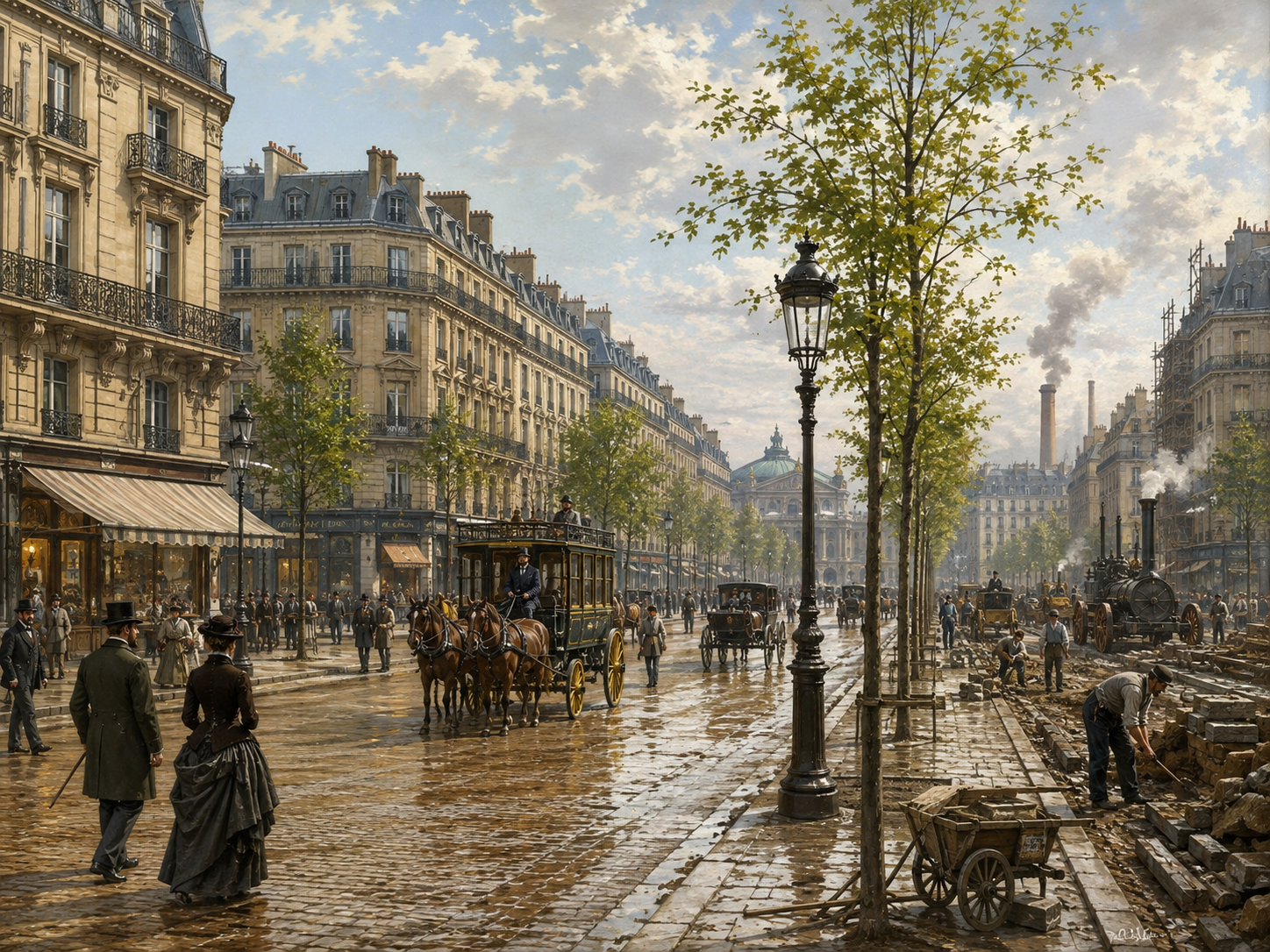
Railways, finance, cities, and industry helped integrate the French economy.
The real acceleration came especially under Napoleon III.
Railways, banks, urban infrastructure, department stores and modern industry expanded. Haussmann’s reconstruction of Paris created boulevards, sewers, parks and standardized urban blocks.
What looked like a redesign of Paris was also a massive investment program and the construction of a modern urban economy.
Railways linked regions, brought farm products to cities, distributed industrial goods nationwide, increased labor mobility and encouraged banks to finance large projects. France moved from a collection of local economies toward a national industrial and commercial economy.
8. France Never Became a Second Britain
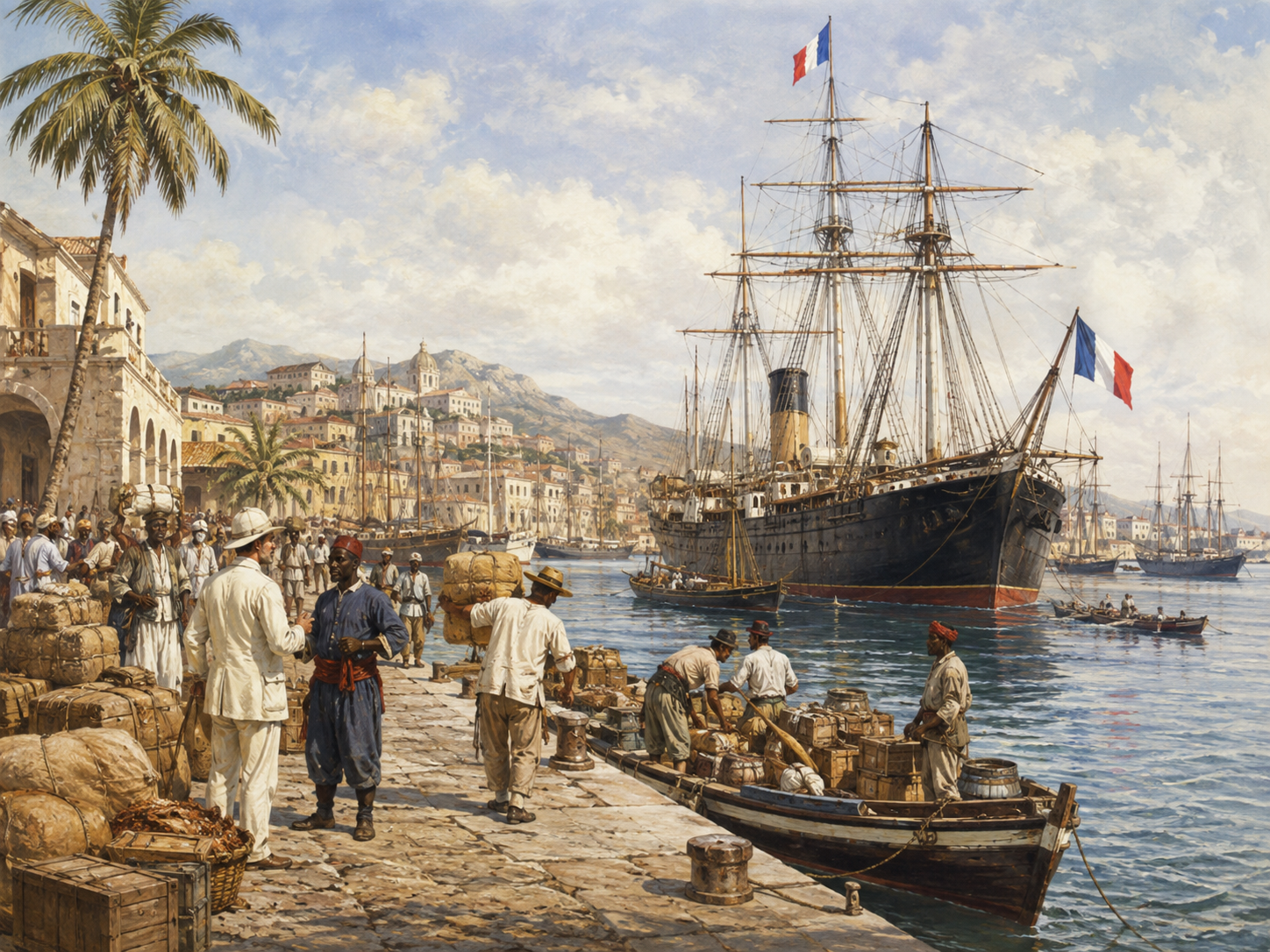
Empire and overseas trade became part of nineteenth-century French expansion.
By around 1900, Britain, Germany and the United States had become industrial giants. France remained a world power, but its structure was distinctive.
Agriculture still employed many people, while small and family firms remained important and high-end consumer industries were strong.
France also possessed a vast colonial empire. North Africa, West Africa and Southeast Asia were integrated into French trade, resource and investment networks.
This is an unavoidable part of the story: French wealth and global influence were linked in important ways to colonial markets, raw materials and investment opportunities.
9. The First World War Hit France Extremely Hard
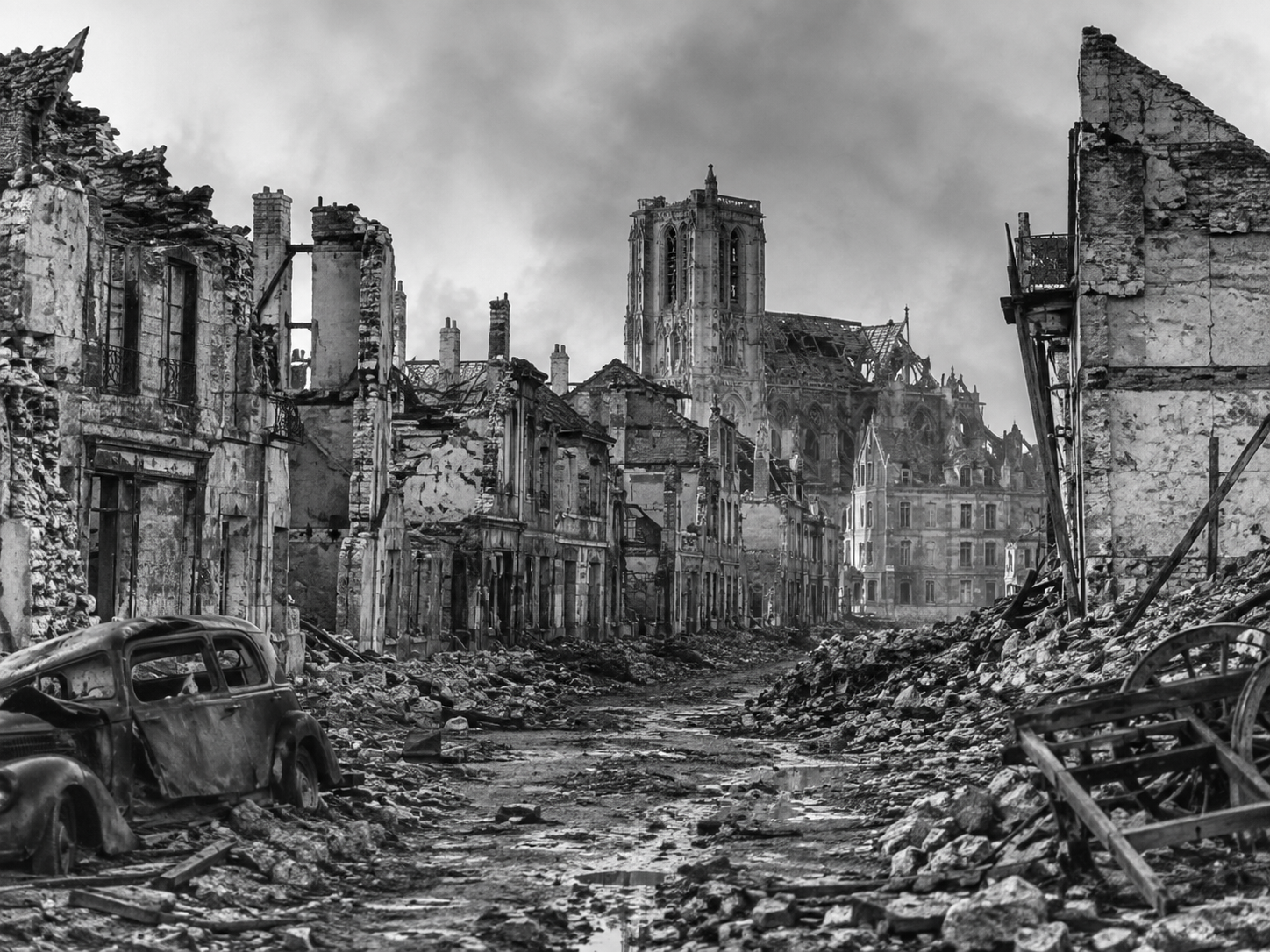
The world wars damaged French population, industrial regions, and infrastructure directly.
Unlike the United States, France itself was a major battlefield in both world wars.
Northeastern France was already a major industrial region, and the First World War destroyed factories, railways, mines and farmland while causing enormous losses among young men.
France won the war but paid an extraordinary economic price. The Great Depression followed, then the Second World War and the occupation after the defeat of 1940.
By 1945, the central question was no longer how to expand but how to rebuild the country.
10. The Trente Glorieuses: France’s Most Remarkable Economic Transformation
From roughly 1945 to 1975, France experienced the Trente Glorieuses, the “Thirty Glorious Years.”
To understand modern France, this period may be even more important than the Revolution.
France chose neither a fully American-style free-market model nor Soviet central planning. It developed a combination of markets and state planning.
The government set development plans and controlled or strongly influenced banking, electricity, railways, energy, aviation and telecommunications. It built motorways, nuclear plants, railways, housing, schools, hospitals and industrial capacity while expanding social protection.
Growth was rapid. Refrigerators, televisions, cars and better housing spread through ordinary households. Rural workers moved to cities, agriculture mechanized, productivity increased and a modern middle class emerged.
11. The Emergence of a Distinctive French Economic Model
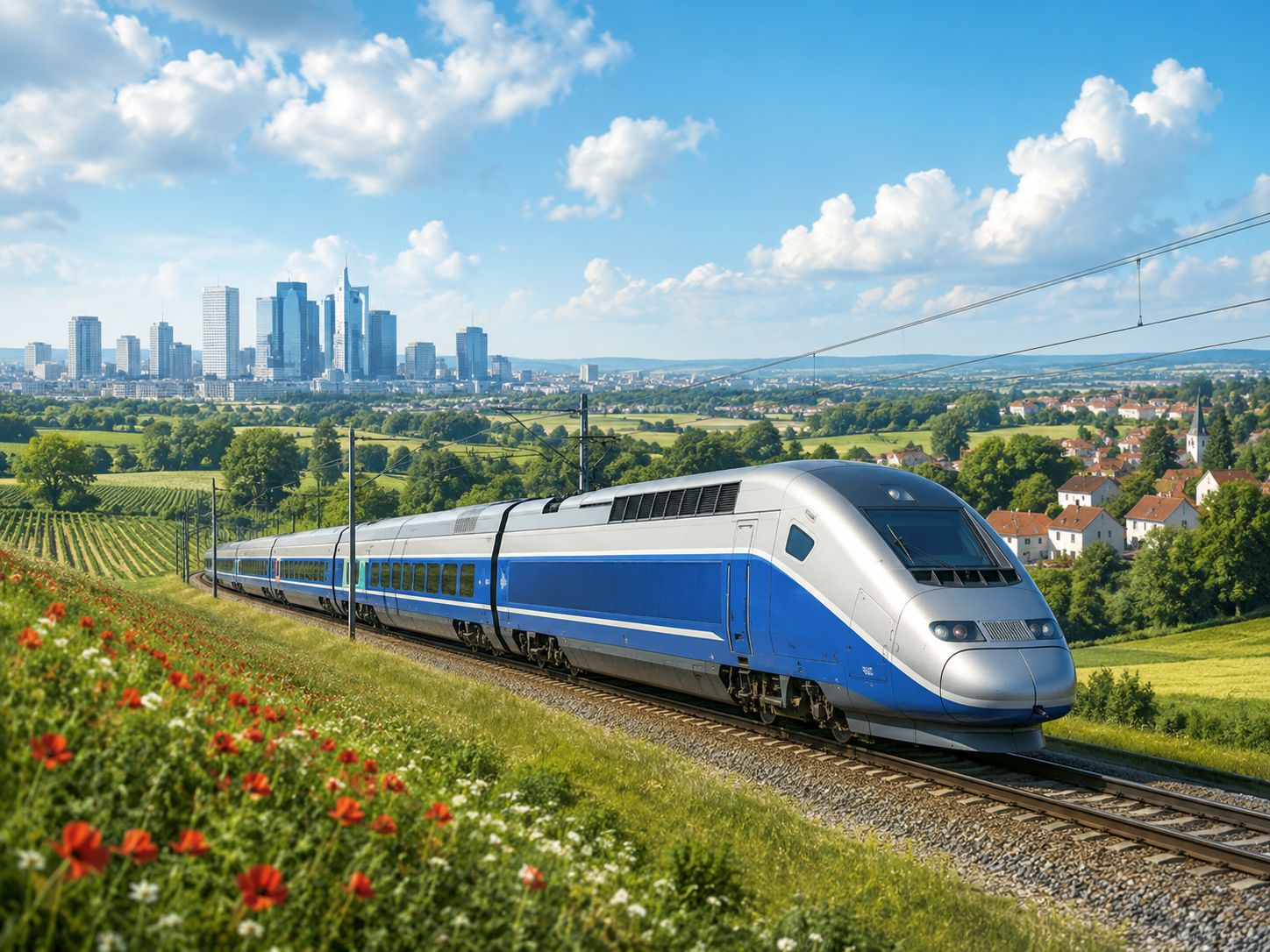
High-speed rail symbolizes the French tradition of national strategy, engineering, and large firms.
Over the postwar decades, a distinctive French model took shape: capitalism combined with a strong government, large firms, high social protection, public services and strategic industries.
French political culture did not automatically treat government intervention as harmful. Many people believed that some projects could only be achieved at national scale.
Nuclear power, high-speed rail, aerospace and major infrastructure illustrate this logic. TGV, the Airbus ecosystem, Ariane launch vehicles, the nuclear industry and large defense companies were not simply the products of garage entrepreneurship.
Behind them often stood a combination of national strategy, engineering institutions and large enterprises.
12. Why France Has Such a Strong Tradition of Engineers and Elite Schools
This economic model helps explain France’s respect for engineers and elite schools.
A strong French tradition holds that the state can be rationally designed and administered. France therefore trained large numbers of engineers, senior civil servants and economic planners.
Institutions such as the École Polytechnique and the Grandes Écoles supplied talent to both government and large corporations, creating significant movement between public administration and corporate leadership.
The contrast with the United States is revealing: American economic mythology often celebrates the entrepreneur; French tradition has more often celebrated the engineer, intellectual and senior public servant.
13. After 1973, the Easy Years Ended
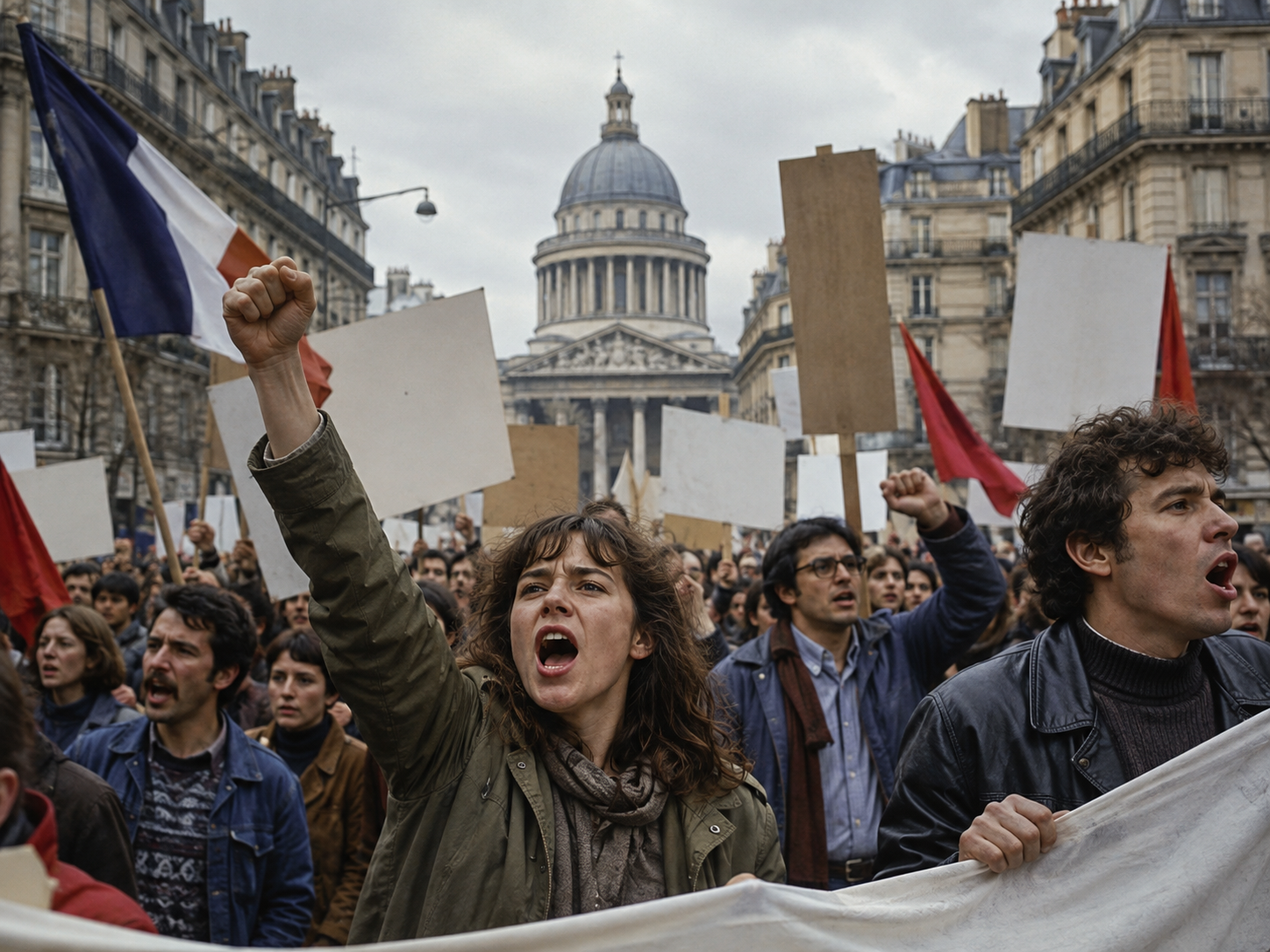
Slower growth and welfare reform repeatedly reopened debates over France’s social contract.
The oil shocks changed the environment. Energy prices surged, global growth slowed and traditional French industries faced stronger competition.
The Trente Glorieuses ended. Unemployment rose, parts of manufacturing declined, fiscal pressure increased and welfare spending expanded.
The welfare state had been designed in an era of young populations and rapid growth, when many people worked, relatively few were retired and wages rose steadily.
Later, growth slowed, ageing accelerated and the number of retirees increased. The question became whether institutions created in a high-growth era could be financed in a low-growth one.
This is why pensions, retirement age, labor law and welfare reform provoke such intense conflict in France: they involve the social contract built after the war.
14. From the 1980s, France Also Moved Toward Markets
France did reform. From the 1980s onward, many state-owned firms were privatized, capital markets opened further, France participated in the European single market and later the euro, and major companies became increasingly global.
Yet France did not become the United States. Public expenditure remains very high by advanced-economy standards.
France accepted global markets without abandoning the strong state or the welfare state. That combination remains one of the defining features of its economy.
15. Modern France Is Primarily a Service Economy
Modern France, like most advanced economies, is primarily a service economy. Finance, tourism, commerce, healthcare, education, professional services and digital activities account for most economic activity.
At the same time, France retains globally competitive sectors in aerospace, nuclear energy, defense, luxury goods, cosmetics, food and wine, tourism and transport equipment.
French manufacturing is smaller than Germany’s overall, but France is particularly good at products that cannot easily be replaced through simple price competition.
An aircraft, a nuclear reactor, a rocket, a luxury brand or a wine with a famous terroir is not sold solely on cost. Technology, standards, heritage, culture and trust matter.
16. Why France Built a Global Luxury Empire

France turned heritage, craftsmanship, aesthetics, and branding into high-value industries.
France’s strength in luxury goods is one of the clearest expressions of its long economic history.
LVMH, Kering, Chanel, Hermès, L’Oréal and other major names did not appear from nowhere.
Court consumption under Louis XIV, royal workshops, Parisian artisans, aristocratic taste, nineteenth-century department stores, Paris fashion and twentieth-century brand commercialization gradually formed the modern luxury ecosystem.
France learned to turn culture into brands, history into premium pricing and aesthetics into industry.
The raw materials in a handbag may not be extraordinarily expensive. Much of the value lies in Paris, history, design, craftsmanship and brand.
17. Six Transitions That Summarize French Economic History
The first transition ran from the Middle Ages to the seventeenth century: an agrarian power in which land and population supported royal authority.
The second, under Louis XIV, added state support for manufacturing and trade.
The third, from 1789 to 1815, replaced the old regime with more uniform property, law, taxation and national-market institutions.
The fourth, in the nineteenth century, brought railways, banks, industry and urbanization.
The fifth, from 1945 to 1975, rebuilt the country through planning, industrial modernization and the welfare state.
The sixth, from the 1970s to the present, shifted toward globalization, services, high social spending and high-value industries.
The Most Interesting Comparison: France, Britain and Germany
Comparing France with Britain and Germany makes its distinctive path clearer.
Britain’s early strength lay in maritime trade and a stronger market tradition. Germany industrialized later but developed exceptional strength in manufacturing and organization. France’s early advantages were population, agriculture and state capacity, later combined with large firms, brands and social protection.
The deepest question in French economic history is therefore not simply when GDP grew fastest. It is how large a role the state should play in the economy.
Louis XIV answered with support for manufacturing. Napoleon answered with unified institutions. Postwar governments answered with planned modernization.
Today the question is whether a strong state, high welfare and high public spending can remain sustainable when ageing, global competition and low growth arrive at the same time. That question helps explain modern French debates over pensions, strikes, taxation, nuclear power, high-speed rail, aerospace and luxury industry.

France today is the product of a long negotiation among markets, the state, institutions, and society.
How Can the French Work Less and Still Afford Generous Welfare?
How the French model exchanges a large share of private income for collective security—and why ageing, weak growth and public debt are making that bargain more expensive.

Why Progress Gets Stuck
Medicine reveals why scientific knowledge does not automatically become affordable, scalable improvements in everyday life.

How Singapore Governs
How parliamentary government, professional administration, open markets, fiscal rules, compulsory savings and public housing reinforce one another.