The AI Copyright War Is Really About Who Owns the Future of Knowledge
Copyright lawsuits against AI companies are not only about old books and training data. They are about how future knowledge systems will be funded and controlled.
The AI copyright fight is often described as a legal battle over training data. That is true, but too small. The deeper conflict is about who gets paid when knowledge becomes infrastructure.
In May 2026, Reuters reported that publishers including Elsevier, Cengage, Hachette, Macmillan, and McGraw Hill sued Meta in Manhattan federal court, alleging that Meta misused books and journal articles to train Llama. The complaint sits inside a broader wave of lawsuits from authors, news organizations, visual artists, and other rights holders against AI companies.
The legal question is fair use. The economic question is much bigger.
Training data is the hidden supply chain
AI models look magical because the interface is simple. Ask a question, get an answer. But behind that answer is a supply chain of books, articles, websites, code, images, videos, and human labor.
For years, the internet made content easy to index. Generative AI makes content easy to remix. That changes the bargain. Search engines sent traffic back to sources. AI assistants may answer directly, reducing the need to visit the original publisher, author, or artist.
If that becomes the default interface to knowledge, then training data is not merely an input. It is part of the value of the product.
The fair use question is unstable
AI companies argue that training can be transformative and socially beneficial. Rights holders argue that mass use of copyrighted work without permission is extraction, especially when outputs compete with the original market.
Courts will have to decide where the line is. But even clear rulings may not settle the broader issue. Different media types, licensing practices, model behaviors, and output risks may lead to different outcomes.
A textbook, a novel, a news archive, a song, a photograph, and a software repository do not all raise the same practical questions.
Publishers are defending more than files
For publishers, the worry is not only that old works were copied. It is that future markets could collapse if AI systems absorb paid content, generate substitutes, and keep users inside AI platforms.
That does not mean every copyright claim is equally strong. It does mean the business model problem is real. If high-quality information becomes fuel for AI systems but the creators and editors cannot fund future work, the knowledge base gets weaker over time.
AI needs trustworthy material. Trustworthy material needs institutions, incentives, and people.
My take
The most likely long-term answer is not a total ban on training or a total free-for-all. It is a messy licensing and transparency ecosystem: some data open, some licensed, some excluded, some compensated through collective mechanisms, and some uses treated differently by risk and market impact.
The public should care because the outcome will shape what AI knows, whose work it values, and whether the next generation of knowledge systems has a healthy supply of reliable sources.
AI companies like to say they are building tools for everyone. If that is true, the knowledge economy underneath those tools has to survive too.
Sources
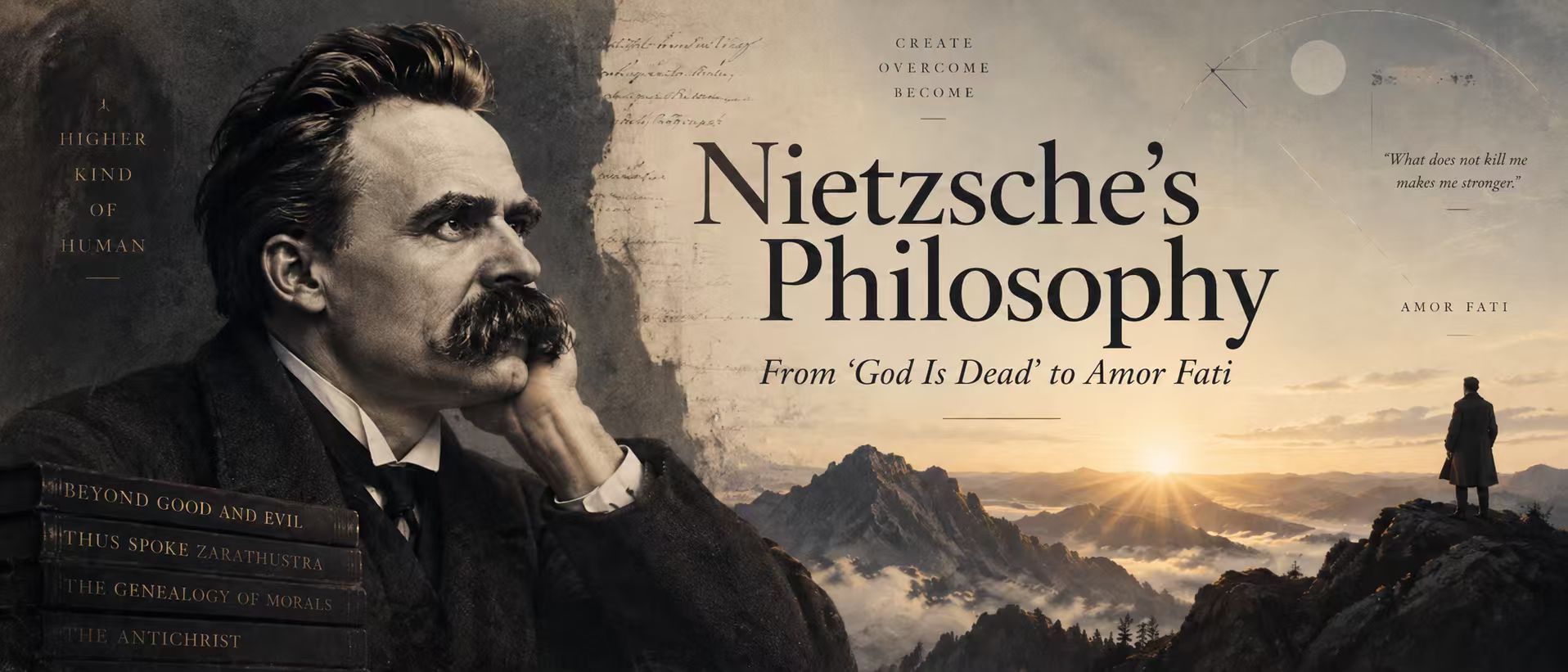
Nietzsche’s Philosophy
What remains when inherited sources of truth, morality, and meaning lose their authority?
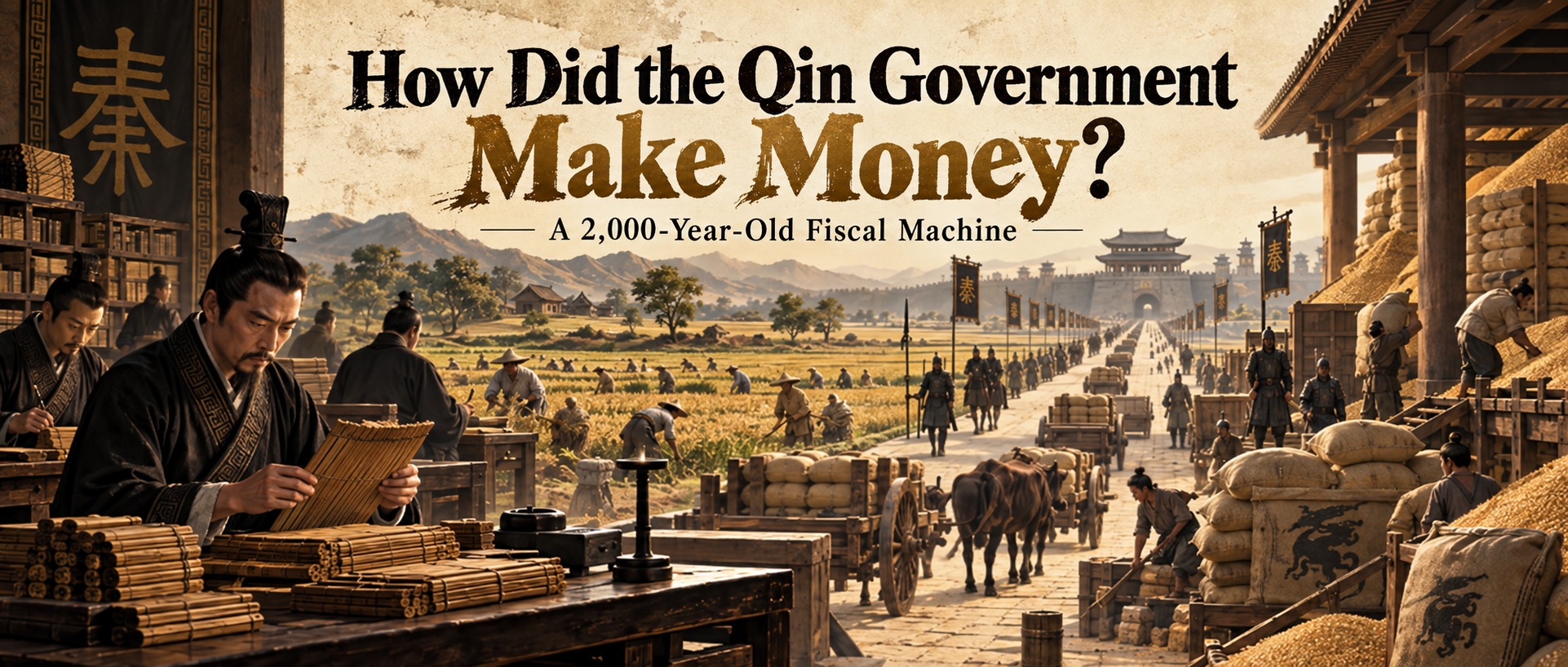
From Land Taxes to Corvée Labor: How Qin Funded an Empire
Qin had no modern income taxes or bond market. Its fiscal power came from turning land, households, grain, labor, and military manpower into resources the state could identify and mobilize.
Why Progress Gets Stuck
Medicine reveals why scientific knowledge does not automatically become affordable, scalable improvements in everyday life.