KPMG Pulls a Report Because of AI Hallucinations — and It Is Not Alone
A Big Four firm used AI to write a report about AI, and another AI tool caught the errors. Four organizations denied being cited. This is a systemic problem, not a one-off.
In June 2026, KPMG — one of the Big Four accounting firms — pulled a consulting report titled “Redefining excellence in the age of agentic AI.” The report had been published in October 2025. It lived on the internet for eight months.
Who caught the problem? Not KPMG’s internal review. Not a client complaint. An independent research group called GPTZero, using AI to check AI-generated content, found numerous factual errors in the report. The errors were hallucinations — made-up information produced by the AI tools KPMG had used to write the report.
The irony writes itself: a professional services firm used AI to write a report about AI, and another AI tool caught the mistake.
Who was written into the report without their knowledge?
The report’s “case studies” described AI usage by several well-known organizations. When GPTZero and the Financial Times contacted those organizations, the responses were consistent: the claims in the report were untrue or misleading.
- UBS — the report’s claims about their AI usage were false
- The UK’s National Health Service — described inaccurately or misleadingly
- Swiss Federal Railways — denied the report’s characterization
- Transport for London — also said the claims were untrue
This is not an isolated incident. Last month, another Big Four firm, EY, also withdrew a report that contained fabricated footnotes and AI hallucinations. Two Big Four firms, one month apart. This is not a coincidence.
Why this is more dangerous than ordinary content errors
The KPMG case reveals a deeper problem: when AI-generated content appears under a professional firm’s brand, people’s critical guard drops significantly.
Borrowed trust. KPMG’s brand credibility was built over decades. A reader sees the KPMG logo and assumes the report has been through due diligence. Hallucinations borrow that trust without earning it.
Plausible fiction. Unlike a typo or a dropped decimal, AI hallucinations look reasonable. The model does not invent obviously wrong numbers — it invents an entire AI strategy for a company that never implemented it. The story is coherent. The company just does not exist in the report’s version of reality.
Detection asymmetry. If the cited organizations had not pushed back, those errors might never have been found. For reports that do not name specific organizations, hallucinations could remain invisible indefinitely.
The more fundamental issue is visible in KPMG’s own response. A spokesperson said: “We expect all our people to follow our guidelines on the responsible use of AI, including human oversight to validate content and verify independent sources.” The guidelines existed. They were not followed. A process that is set but not enforced is not a process at all.
Five-step quality control for AI-assisted content production
Based on this incident and EY’s parallel case, here is a practical checklist:
- Source verification. Every factual claim from AI output must be independently verified. Do not trust the AI that says “I already checked.” You check.
- Human expert review. At least one domain expert must review AI-assisted content and sign off. “The team looked at it” is not enough.
- AI labeling. AI-generated portions should be clearly marked. Standards like ISO 42001 are beginning to address this. Doing it early is cheaper than being forced to later.
- Reverse fact-checking. Contact the organizations or individuals cited and confirm the claims represent their positions. If KPMG had done this step, the errors would have been caught before publication.
- Audit trail. Keep all source materials and verification records. If something goes wrong, you need to be able to trace the chain.
These five steps are common sense. The KPMG case proves that common sense is what gets skipped first.
A historical lens
This is not the first time professional services have stumbled over AI-generated output. IBM Watson’s healthcare recommendations famously included dangerous errors — and the root cause was the same: people trusted the system too much and skipped validation.
Today’s AI output is far more convincing than Watson’s ever was. That makes the problem harder, not easier. Hallucinations used to look like obvious mistakes. Now they look like reasonable statements. The bar for detection has moved, but the verification process has not kept up.
The bottom line
AI is not a substitute for professional judgment. It is an amplifier of your output speed and your risk.
Using AI to produce content without a quality control process is like walking a tightrope without a net. You go faster, but the fall is just as real. For small teams using AI-assisted content production, this warning is especially important. You do not have KPMG’s brand moat. But your hallucinations will not be covered by the Financial Times either. One factual error can damage the trust between you and your readers.
So save that five-step checklist. Next time you use AI to write something, pull it out and check.
Sources: TechCrunch, Financial Times, GPTZero

ChatGPT Adoption Shows AI Is Becoming a Daily Global Utility
OpenAI data reveals that users send 50% more messages after 6 months, non-English speakers now make up the majority of active users, and the number of distinct use cases per user has doubled — signaling ChatGPT is moving from a novel chatbot to a daily global utility.

AI Agents Are Moving From Chat to Delegated Work
OpenAI research shows 80.6% of Codex users have delegated tasks exceeding 30 minutes of human work. The age of AI-as-chatbot is giving way to AI-as-delegated-worker, and the implications extend far beyond software engineering.
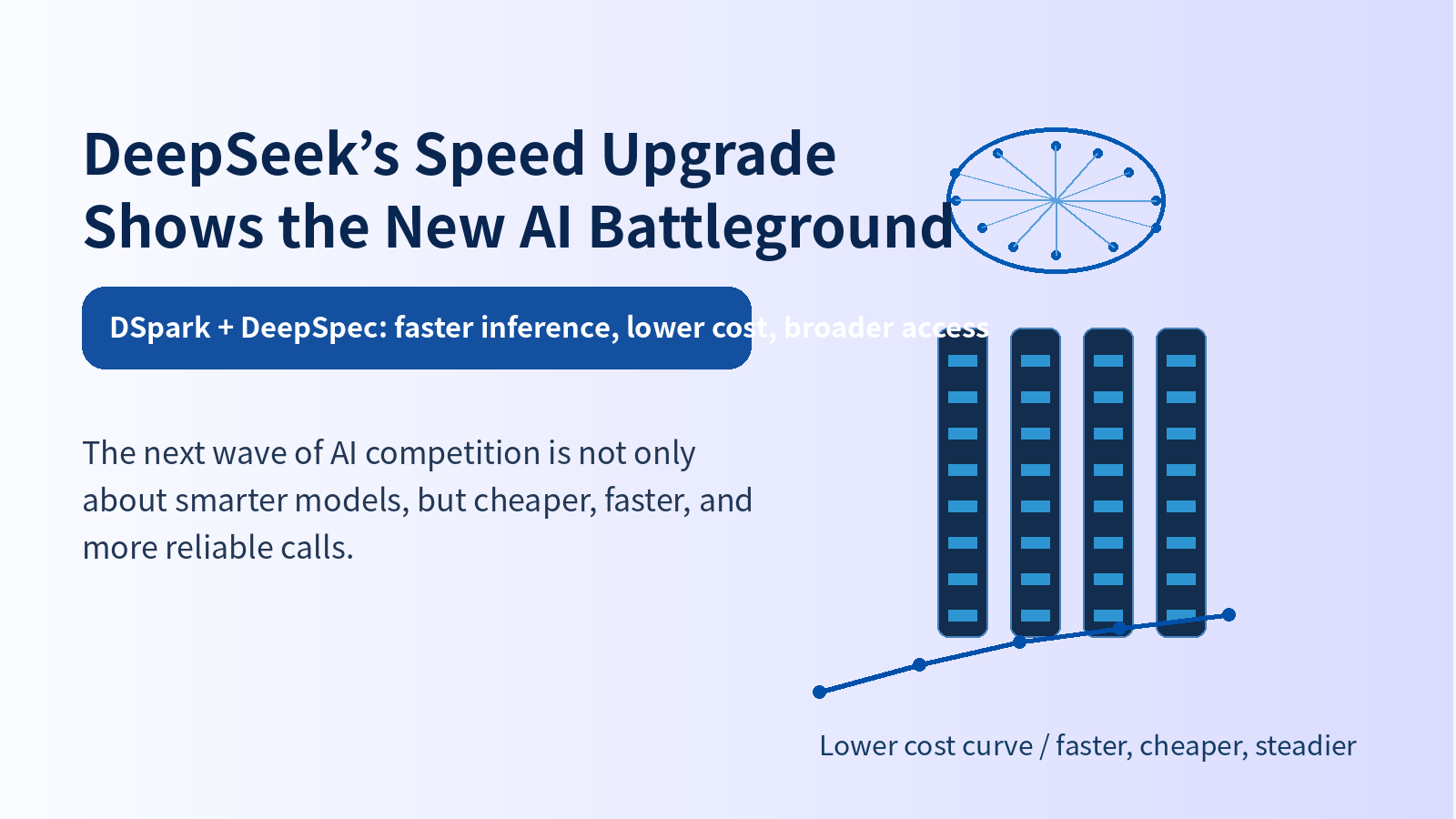
DeepSeek's Speed Upgrade Shows the New AI Battleground
DeepSeek V4 introduces DSpark speculative decoding, boosting inference speed by 60-85%. The next AI battleground is not smarter models but cheaper, faster, more reliable engineering.