The AI Boom Is Becoming an Electricity Story
AI is not only a model race. It is also a grid, data center, affordability, and infrastructure story.
The AI boom is often described through chips, models, benchmarks, and product demos. But the deeper story is physical. AI needs data centers, data centers need power, and power connects the industry to utilities, local governments, land use, climate goals, and household bills.
The International Energy Agency reported that electricity demand from data centers rose sharply in 2025, with AI-focused data centers growing even faster. The same analysis says data center electricity consumption is set to double by 2030, while power use from AI-focused data centers could triple.
That does not mean AI is automatically bad for the grid. It does mean the industry has moved from the cloud metaphor back into the material world.
Efficiency will not solve the whole problem
AI systems are becoming more efficient per task. That is real progress. But efficiency gains can be overwhelmed by demand growth. If a task becomes cheaper, more people use it, more applications appear, and heavier workloads become normal.
This is the classic rebound problem: the same technology that lowers the cost of computation can increase total consumption by making computation useful in more places.
Agents make this especially important. A chatbot answers a prompt. An agent may perform a chain of tasks, call multiple models, search files, run code, and retry when it fails. Even if each step becomes more efficient, the whole workflow can still consume more compute than older software patterns.
Data centers are local politics now
The IEA notes that data centers create concentrated power loads. That is the key phrase. A normal city grows gradually. A large data center can arrive with a sudden demand profile that forces utilities and regulators to plan faster than usual.
For local communities, the debate is not abstract. People may ask:
- Will new grid investment raise rates?
- Who gets priority when connection queues are long?
- Does the project bring enough jobs to justify the energy footprint?
- Will backup power rely on gas, batteries, renewables, or nuclear agreements?
- How much water, land, and transmission capacity will be needed?
This is where AI turns into a public-interest issue. The infrastructure needed for model progress is shared with everyone else.
Tech companies are becoming energy actors
The AI sector is responding by buying renewable power, exploring nuclear and geothermal deals, and considering onsite generation. That may accelerate useful energy technologies. It may also give the largest technology companies growing influence over energy markets.
This is a strange reversal. For years, software companies presented themselves as asset-light businesses. AI changes that. The frontier labs and cloud platforms now need industrial-scale supply chains: chips, transformers, power purchase agreements, cooling systems, grid connections, and sometimes custom energy projects.
The future of AI may be decided as much by permitting and power availability as by model architecture.
My take
AI energy debates often collapse into two lazy claims: “AI will destroy the planet” or “efficiency will fix everything.” The real question is more practical: Can we build AI infrastructure in ways that improve the grid instead of merely consuming it?
That means flexible data centers, better demand response, transparent reporting, and utility rules that keep costs from being dumped onto households. If AI companies want social permission to scale, energy accountability will have to become part of the product story.
Sources

Nietzsche’s Philosophy
What remains when inherited sources of truth, morality, and meaning lose their authority?
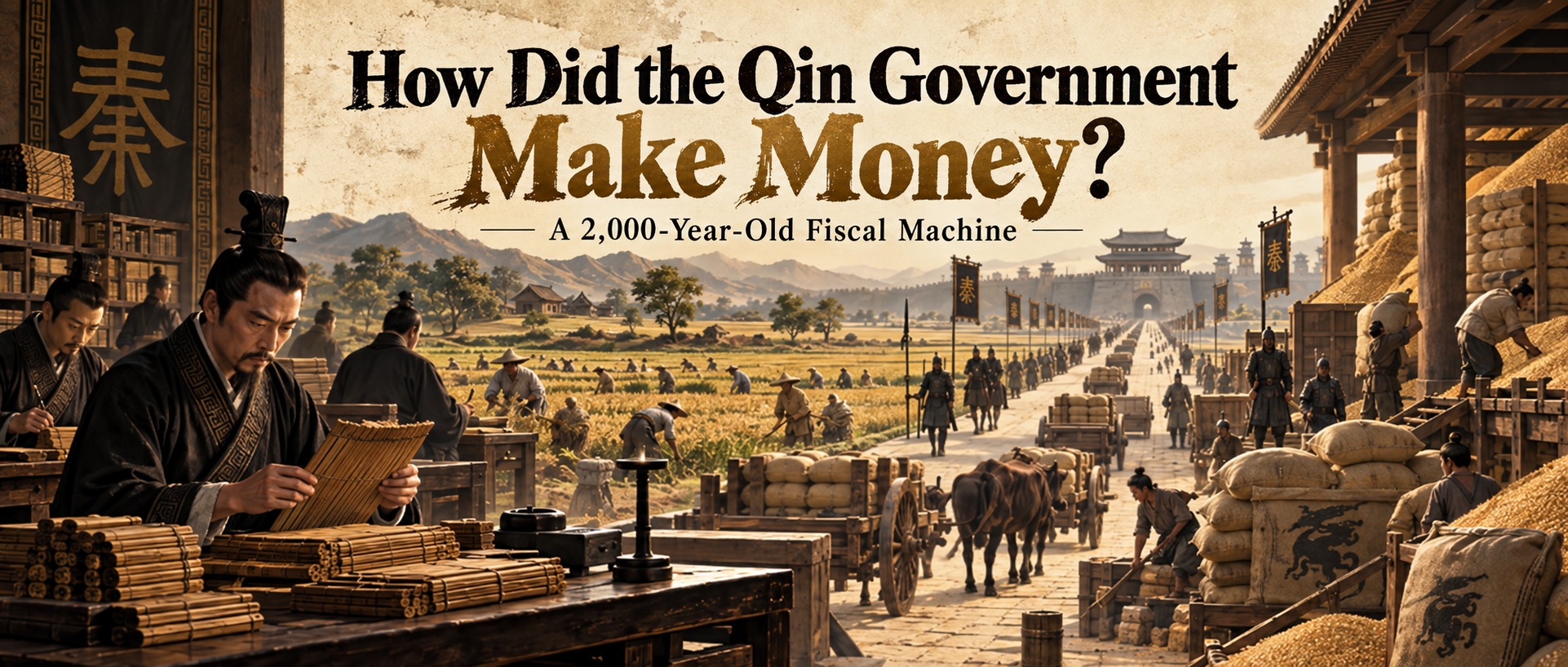
From Land Taxes to Corvée Labor: How Qin Funded an Empire
Qin had no modern income taxes or bond market. Its fiscal power came from turning land, households, grain, labor, and military manpower into resources the state could identify and mobilize.
Why Progress Gets Stuck
Medicine reveals why scientific knowledge does not automatically become affordable, scalable improvements in everyday life.