Siri AI Privacy: Why Local Deployment Is the Endgame
Apple's Private Cloud Compute is a serious transition architecture, but the safer long-term direction for personal AI is local-first deployment.
On June 8, 2026, Apple introduced a new version of Siri AI.
At first glance, this looks like Apple finally catching up. Over the past few years, ChatGPT, Gemini, and Claude have raised the standard for what an AI assistant should feel like, while Siri often remained stuck in the old world of setting alarms, checking the weather, and opening apps. Now Apple says Siri will become more conversational, more aware of context, and more capable of understanding what is happening on your screen.
But the most important part of this announcement is not that Siri is finally becoming smarter.
The more important point is this: when an AI assistant begins to understand your email, photos, messages, screen, and app behavior, privacy stops being a product feature. It becomes the foundation of the whole system.
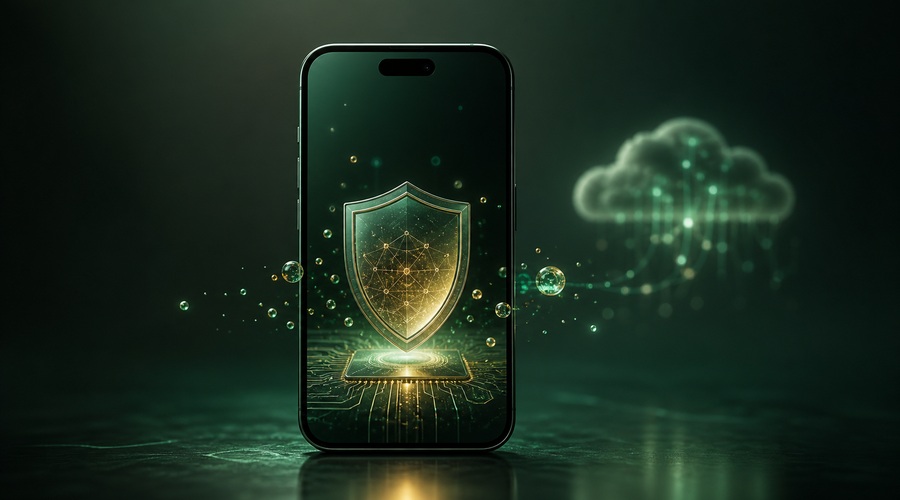
The smarter Siri becomes, the closer it gets to private life
Apple’s description of Siri AI is direct.
The new Siri AI has personal context understanding. It can surface information from messages, emails, photos, and more. It has onscreen awareness. It can respond to what you are looking at. It can also use broad world knowledge to answer up-to-date questions from the web.
That changes Siri’s role.
The old Siri was mostly a voice remote. You gave it a narrow command, and it performed a fixed action. It did not need to understand you deeply. It did not need to enter the private structure of your life.
The future Siri is different.
If you ask, “What was the restaurant my friend recommended last week?” it may need to search your messages. If you say, “Send those travel photos to my family,” it needs to understand the photos, the people in them, and your intent. If you ask it to act on something currently visible on your screen, it must understand what you are doing in the moment.
That is no longer just a tool. It is a personal agent.
And the more useful a personal agent becomes, the closer it gets to personal data. The closer it gets to personal data, the sharper the privacy problem becomes.
This is not only Apple’s problem. It is the problem every AI assistant company will eventually face.
Apple’s answer is to make part of the cloud behave more like a device
When Apple introduced Apple Intelligence in 2024, it also introduced a phrase that matters: Private Cloud Compute.
The architecture is simple in concept. Simple tasks should run on the device whenever possible. More complex tasks that require larger models can be sent to Apple’s dedicated cloud infrastructure.
Apple makes strong promises about that infrastructure. Personal data sent to Private Cloud Compute is supposed to be used only to fulfill the user’s request. It is not stored. It is not logged for debugging. It is not made available to Apple staff. Apple also says the system uses custom Apple silicon servers and a hardened operating system, and that outside security researchers can verify parts of the privacy design.
That deserves credit.
Compared with the usual cloud AI model, Apple’s approach is more serious and more restrained. Many AI services ask users to trust a policy. Apple is trying to turn part of that trust into a technical architecture.
But a good transition architecture is not the same thing as the final answer.
As long as data leaves the device, the risk has not disappeared. It has only been reduced by engineering.
Private cloud compute is a bridge, not a home
My own view is that the long-term direction for AI privacy is local deployment.
The reason is simple: real privacy is not “trust us, we will not look.” Real privacy is “we never had the opportunity to look.”
No matter how carefully private cloud compute is designed, it still requires some requests, context, or personal data to leave the device. Apple can reduce the risk with hardware isolation, stateless processing, verifiable software, and the absence of privileged runtime access. But it cannot change the fact that some data has crossed the boundary.
Local deployment offers a different kind of safety.
If the data stays on the device, the attack surface is naturally smaller. If the personal index stays local, there is no centralized cloud pool of private context. If the model runs locally, the service provider does not need to know what you asked. If permissions are enforced on the device, the user can more easily understand where the boundary is.
This does not mean every AI task can already run locally today.
The opposite is true. Local models still have limits: compute, memory, model quality, long-context reasoning, and complex planning. Apple needs Private Cloud Compute precisely because today’s devices cannot carry the entire intelligence stack by themselves.
So the current architecture is best understood as a bridge.
It connects the cloud-first AI world to a more local future. It moves from centralized intelligence toward personal intelligence on devices. It shifts the user from trusting corporate promises toward trusting system design.
A bridge matters. But a bridge is not a home.
Apple’s path exposes the industry’s real trade-off
The AI industry is being pulled in two directions.
One direction is the cloud supermodel. OpenAI, Google, and Anthropic mostly compete here. The larger the model, the more capable the reasoning, and the more expensive the inference, the more the system depends on data centers.
The other direction is local personal intelligence. Apple is unusually well positioned for this path. It has the devices, chips, operating systems, privacy narrative, and everyday personal context.
But each path has a cost.
Cloud models are powerful, but data becomes centralized. As they become more useful, users give them harder questions and more sensitive context.
Local models are more private, but they are constrained. They are more controllable and better suited to personal data, but they cannot yet match the full generality of the strongest cloud models.
That is why the realistic answer today is a hybrid architecture: local first, cloud when necessary.
This is Apple’s choice.
The value of a hybrid architecture is not that it will be correct forever. Its value is that it admits the reality of the transition period. It is a compromise between compute, model quality, and privacy.
Over the next few years, device chips will improve, smaller models will become more capable, and local personal indexes will become more useful. More tasks will move back from the cloud to the device.
The sign of a mature AI assistant will not be that it can send everything to the cloud. It will be that it knows which things should never leave in the first place.
Real privacy is architecture, not policy
Many companies talk about privacy as a policy.
Policies matter. But a policy is not the same thing as safety. What users need is not only a polished privacy statement. They need a system where even if one component fails, the damage does not expand without limit.
This is the engineering lesson that matters here. Reliable systems are not built by assuming every component will always behave perfectly. They are built by designing the system so that imperfect components cannot easily create catastrophic failure.
AI privacy should be judged the same way.
We cannot assume every company will always be restrained. We cannot assume every engineer will always avoid mistakes. We cannot assume every cloud service will always remain secure. A reliable privacy architecture reduces the number of actors the user is forced to trust.
Local-first design reduces trust requirements.
Data minimization reduces exposure.
Verifiable compute reduces black-box promises.
Layered permissions reduce single points of failure.
Default local processing reduces the worst-case scenario.
So the right question is not only: what does an AI assistant promise?
The better question is: where does the architecture force the user’s data to go?
Siri AI’s privacy experiment is just beginning
The most interesting signal in this Siri AI launch is easy to miss.
Apple did not simply say, “We have a large model too.” It emphasized personal context, onscreen awareness, app actions, and privacy architecture.
That shows Apple understands the real contest. Future AI assistants will compete not only on model capability, but also on trust.
The assistant that understands the user best may become the real personal interface. But the deeper it understands the user, the more it must prove that it deserves that trust.
Siri AI’s current answer is a combination of on-device models and Private Cloud Compute.
I think that is a good transition.
But it is still a transition.
The future I trust more is not one where cloud servers promise to be safe enough. It is one where phones, computers, home servers, and personal devices become powerful enough to run more of the intelligence locally. Your private data can be understood by AI without being owned by a platform. Your daily life can be helped by intelligent systems without being repackaged into a centralized cloud.
The deeper AI enters personal life, the less local deployment looks like technical purism.
It starts to look like common sense.
The cloud can be a bridge.
But home should be local.
Sources
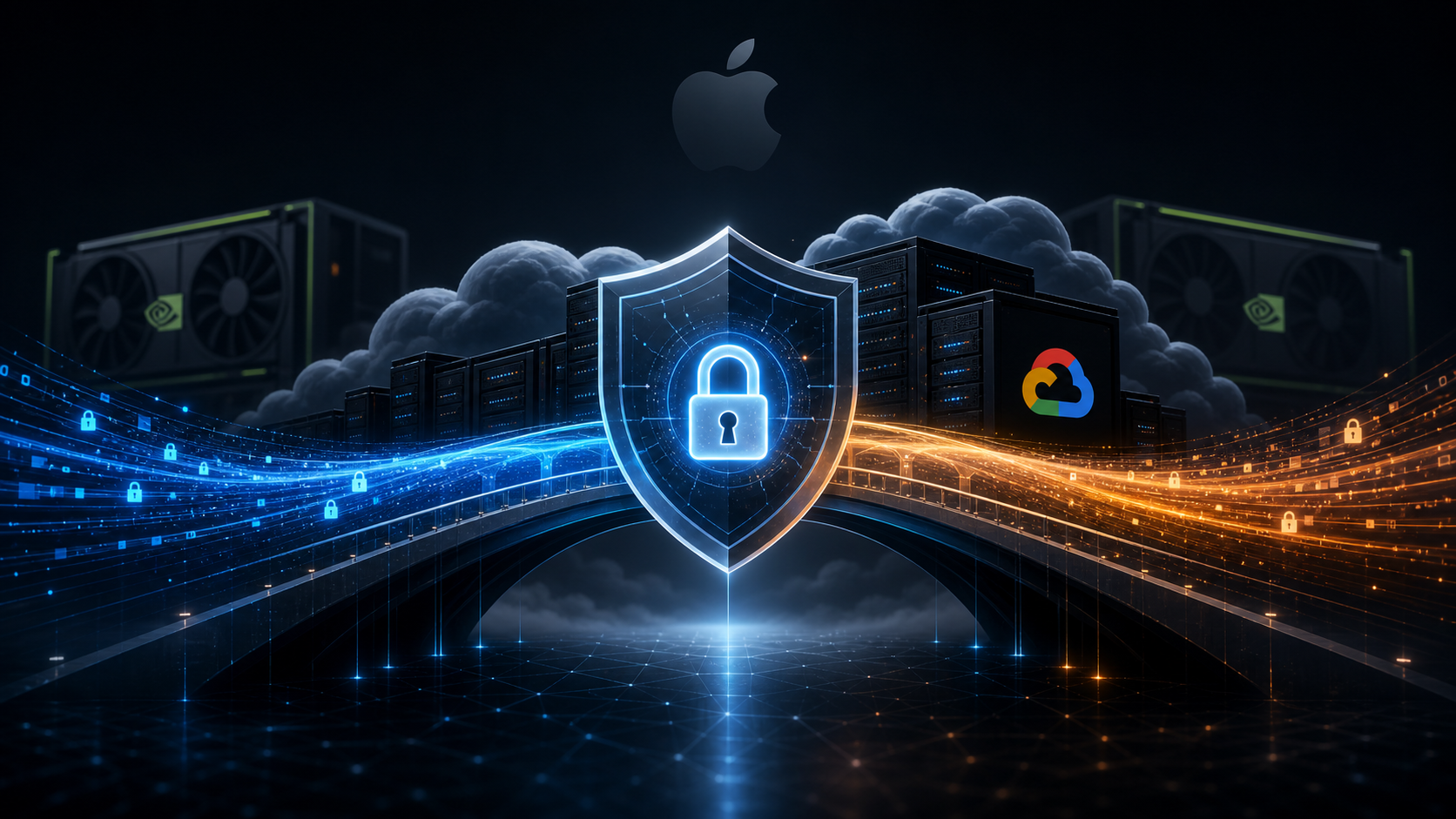
Apple''s Privacy Paradox on Google''s Servers
Apple is running its most powerful Siri AI models on Nvidia hardware inside Google Cloud. Here''s why their privacy architecture might actually work.
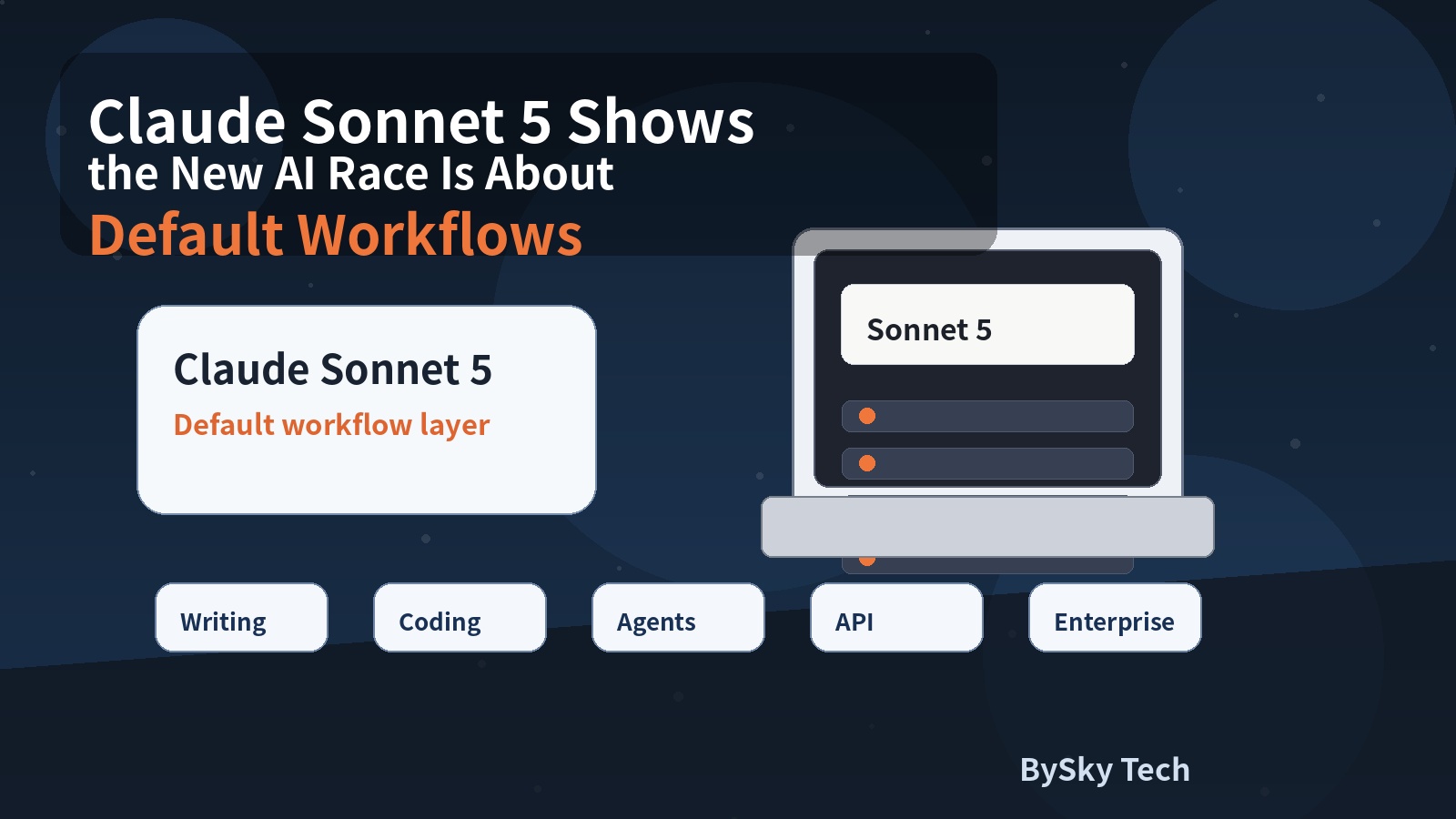
Claude Sonnet 5 Shows the New AI Race Is About Default Workflows
The next moat may be the place a model occupies in daily work, not only its benchmark score.
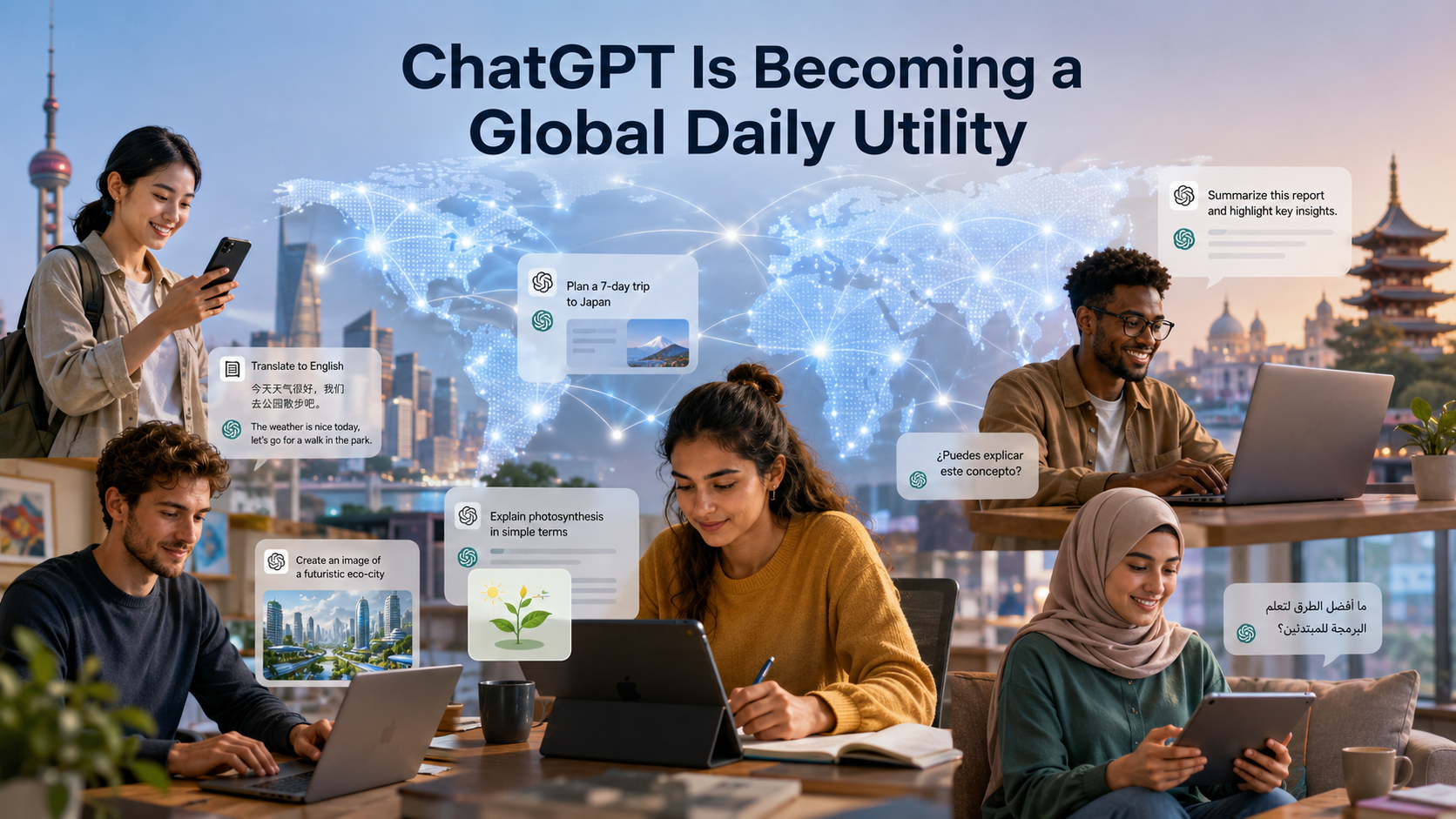
ChatGPT Adoption Shows AI Is Becoming a Daily Global Utility
OpenAI data reveals that users send 50% more messages after 6 months, non-English speakers now make up the majority of active users, and the number of distinct use cases per user has doubled — signaling ChatGPT is moving from a novel chatbot to a daily global utility.