A UK Police Officer Is Being Investigated for Using AI to Create Evidence
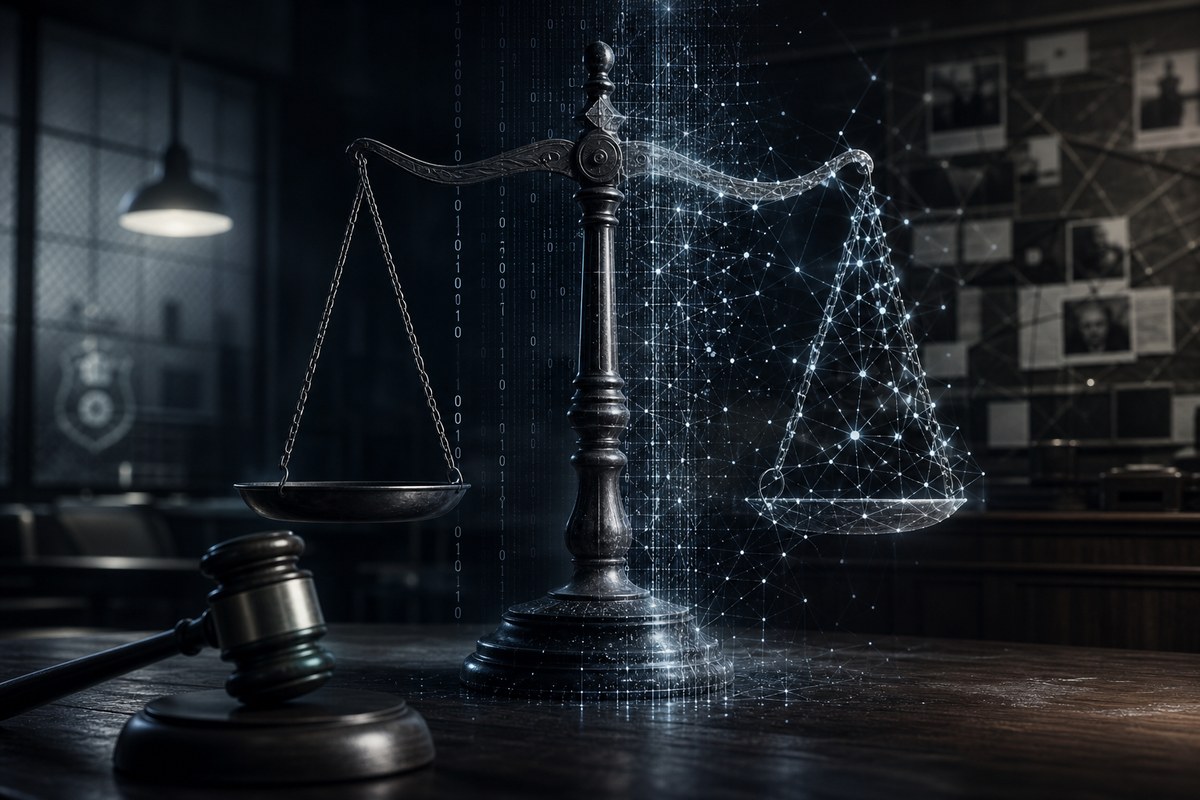
A Derbyshire police officer allegedly fabricated evidence across multiple cases using AI. The same week, the UK launched PoliceAI. The timing could not be more telling.
A police officer in Derbyshire, UK, has been accused of using AI systems to “create evidential material in a number of cases.” The officer has been removed from frontline duties and is under criminal investigation for perverting the course of justice. No arrests have been made, but the investigation is underway.
This is one of the first publicly reported cases of AI abuse inside a law enforcement agency. It affects not just the cases involved, but the entire legal system’s trust in digital evidence.
Why this is scarier than traditional evidence tampering
Traditional evidence falsification has a cost. You have to manually alter documents, fabricate images, or arrange false witnesses. All of these leave traces.
AI changes the nature of evidence tampering at a fundamental level:
Scale. One person can use AI to fabricate evidence across multiple cases simultaneously. No team needed, no technical expertise required — just prompts.
Detection difficulty. AI-generated text, images, and documents are highly realistic. Routine review cannot distinguish real from fabricated.
Contamination asymmetry. Once AI content enters a case file, the defense has to prove “this evidence is fake.” Proving something is fake is much harder than proving it is real — especially when the output looks reasonable.
Systemic risk. If one person was doing this, others may be too. The cases discovered so far may be just the visible tip.
A parallel story that reveals the tension
In the same week, the UK launched a national policing AI center called PoliceAI. Its mission: “adopting AI responsibly to catch criminals and keep people safe.” The center’s interim director, Alex Murray, said at the launch:
“Crime and technology are evolving rapidly. Policing must keep pace by adopting AI responsibly.”
These two things happening simultaneously reveal a deep tension: police need AI to improve efficiency — evidence analysis, crime pattern recognition, large-scale monitoring — while simultaneously preventing the same tools from being abused. The Derbyshire case is a warning: deploying AI without guardrails is like giving officers a weapon without recording who pulls the trigger.
This tension is not unique to the UK. Police forces in the US, Europe, and Asia are all accelerating AI adoption. Most are building the regulatory framework after the deployment, not before.
What developers should learn: AI content traceability
This case has direct implications for anyone building AI generation tools — whether for writing, coding, or image creation. Traceability should be a core design principle, not an afterthought:
Built-in watermarking. All AI-generated content should embed invisible digital watermarks. Standards like C2PA already exist. Many large vendors are adopting them, but adoption is far from universal.
Complete audit logs. Every AI invocation should record time, input, output, and caller. These logs must be tamper-proof.
Metadata tagging. Output files should carry metadata identifying the generating model, version, and input parameters.
External verification APIs. Provide an API that allows third parties to programmatically verify whether content was generated by a given model.
These four points are not “nice-to-have features.” They should be baseline requirements, especially when the tool could be used in legal, medical, or government settings.
The regulatory gap
No country currently has a comprehensive legal framework governing the use of AI-generated evidence in judicial proceedings. The Derbyshire case may become an important precedent:
- If liability is classified as “individual misconduct,” systemic regulation will remain absent
- If liability is classified as “organizational management failure,” every institution deploying AI will need to revisit its internal controls
Some US state courts have begun requiring litigants to disclose whether AI tools were used to generate evidence, but these rules are rudimentary. One thing is already clear: AI is entering critical decision-making domains far faster than regulatory frameworks can be built. Until the guardrails are in place, developers and users have to think carefully for themselves.
Sources: BBC News, Sky News

ChatGPT Adoption Shows AI Is Becoming a Daily Global Utility
OpenAI data reveals that users send 50% more messages after 6 months, non-English speakers now make up the majority of active users, and the number of distinct use cases per user has doubled — signaling ChatGPT is moving from a novel chatbot to a daily global utility.

AI Agents Are Moving From Chat to Delegated Work
OpenAI research shows 80.6% of Codex users have delegated tasks exceeding 30 minutes of human work. The age of AI-as-chatbot is giving way to AI-as-delegated-worker, and the implications extend far beyond software engineering.
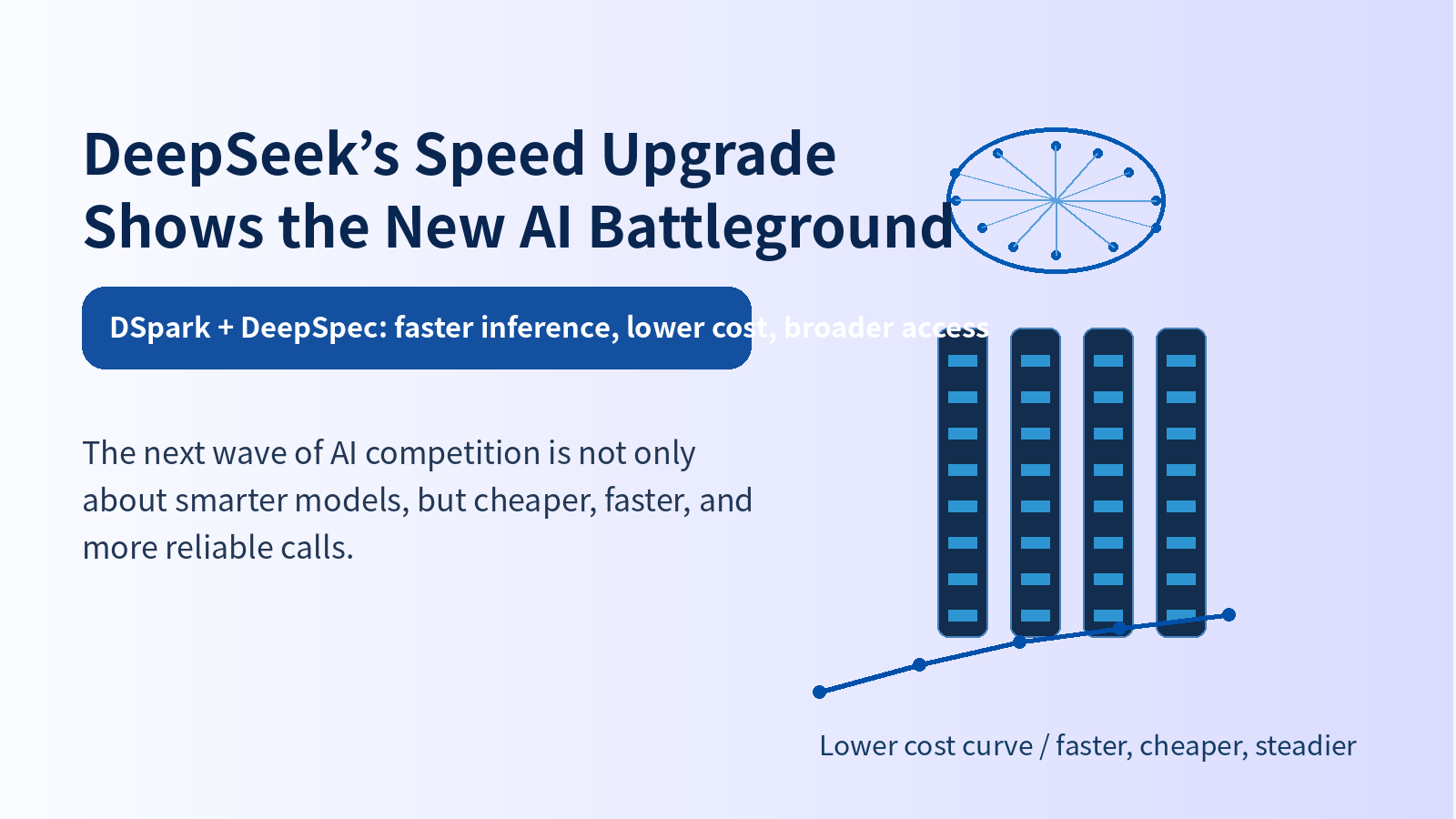
DeepSeek's Speed Upgrade Shows the New AI Battleground
DeepSeek V4 introduces DSpark speculative decoding, boosting inference speed by 60-85%. The next AI battleground is not smarter models but cheaper, faster, more reliable engineering.