AI Is No Longer Just Writing Code — It Is Patching the Open-Source World
OpenAI's Patch the Planet initiative, launched June 22 2026, marks a shift: AI moves from helping developers write code to securing the open-source infrastructure everyone depends on.
For the past year, most discussions around AI coding tools have focused on productivity: faster code completion, quicker debugging, and easier prototyping.
But OpenAI’s newly announced Patch the Planet points to something more important. According to OpenAI, the initiative is part of its Daybreak effort and is built with Trail of Bits to help open-source maintainers not only identify vulnerabilities, but also validate them, patch them, test them, and handle disclosure in a more practical workflow.
That makes this more than a product update. It is an early signal that AI coding is moving beyond helping developers write software toward helping the software ecosystem maintain and defend itself.
1. What is Patch the Planet?
In simple terms, Patch the Planet is a security support initiative for critical open-source projects. OpenAI says the program combines its most cyber-capable models with expert human review. The goal is not just to discover vulnerabilities, but to reduce the burden on maintainers by reviewing findings before they are sent, helping with patch development, supporting testing, and building reusable workflows that projects can continue using later.
That design choice matters. Open-source maintainers are rarely short on problems. They are short on time, bandwidth, and trustworthy help. AI can dramatically increase the volume of potential findings, but without validation and remediation support, maintainers can end up overwhelmed rather than protected.
2. Why is this important?
The biggest shift here is conceptual. Most AI coding products improve individual developer productivity. Patch the Planet is aimed at shared infrastructure.
OpenAI’s initial participants include projects such as cURL, NATS Server, pyca/cryptography, Sigstore, aiohttp, Go, and Python — all of which sit deep in the dependency chains of countless products and services.
Instead of merely helping one developer ship faster, AI is being positioned as a tool for strengthening the security and resilience of software that entire ecosystems depend on.
3. What has it achieved so far?
OpenAI says Trail of Bits has dedicated full-time security engineers to work with Codex and GPT-5.5-Cyber across 19 open-source projects. The effort has already identified hundreds of security issues and merged dozens of patches, with more disclosures still in progress.
More importantly, the team is not just presenting isolated bug findings. It is demonstrating reusable security workflows: a fuzzing lab built in less than a day, pipelines for finding variants of historical CVEs, differential testing workflows, and improvements to threat models, property-based tests, test coverage, and CI/CD.
This is a meaningful jump from AI that writes code to AI that participates in security engineering systems.
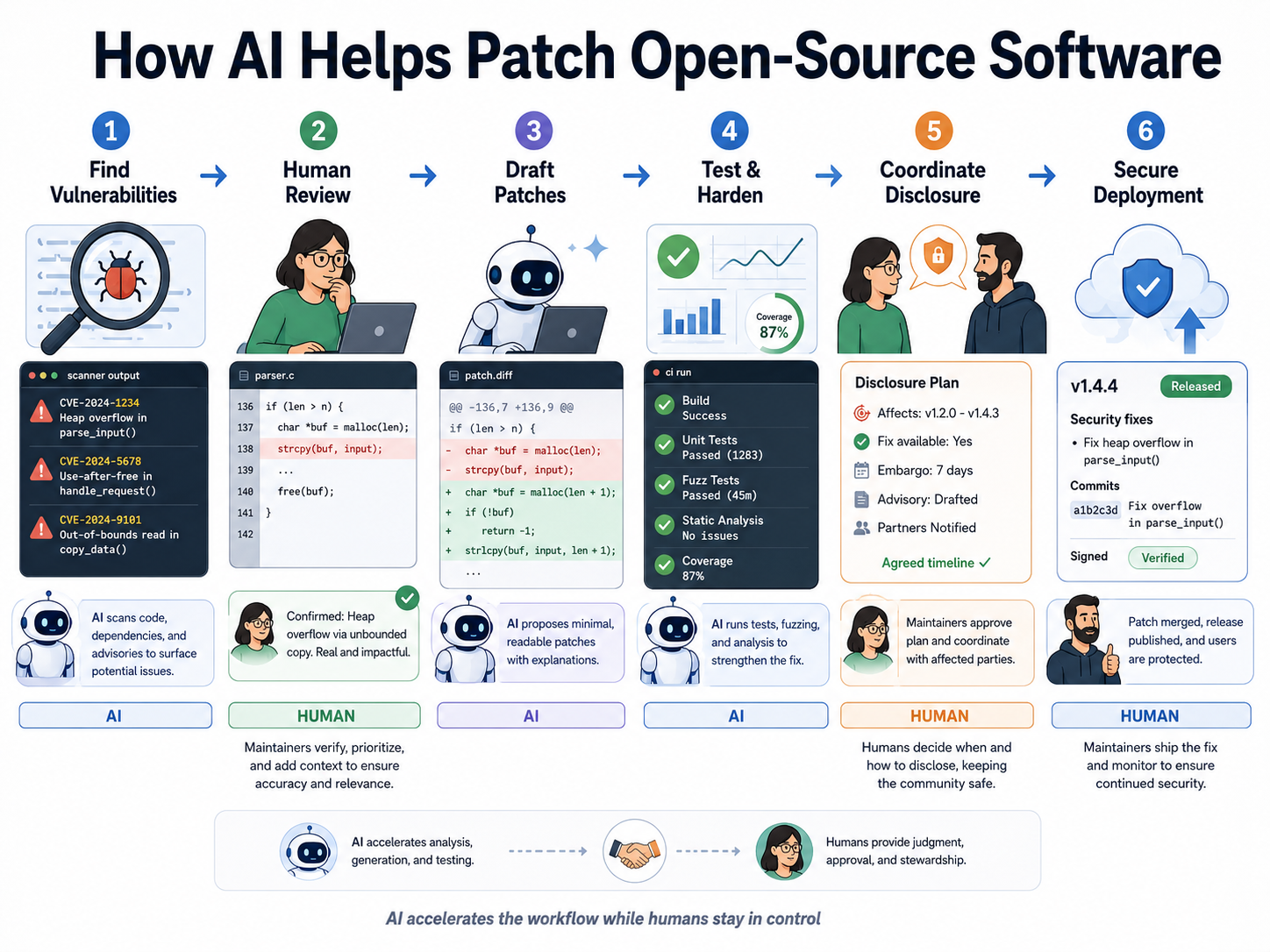
Figure 1: How AI helps patch open-source software | AI-generated
4. The real story is human-AI remediation
One of the most encouraging aspects of Patch the Planet is that OpenAI does not present it as fully autonomous security. Instead, it emphasizes that every finding is reviewed by human security engineers before it reaches maintainers.
That matters because frontier models can generate a large number of false positives, and low-quality reports are exactly what many maintainers can least afford.
The pattern is more mature: let AI expand the search space, generate candidates, and accelerate experimentation; let human experts handle judgment, prioritization, confirmation, severity assessment, and final decisions. The most useful AI is not always the most autonomous AI. Often, it is the AI that integrates best into real-world workflows.
5. Why should indie developers and small teams care?
It is easy to assume open-source security is only a concern for large companies. In reality, small teams may depend on open source even more heavily.
From frameworks and authentication libraries to database drivers, deployment scripts, and container images, modern products are built on layers of third-party code. When that shared foundation becomes more secure, everyone benefits.
Patch the Planet suggests at least three implications:
- Developer efficiency will increasingly include security efficiency.
- The most valuable AI tools will go deeper into the engineering pipeline — from writing PRs and tests to triage, patch generation, and release support.
- Open-source security may become a default engineering capability rather than a niche specialty.
6. My take: the next stage of AI coding is maintaining the world
If we simplify the evolution of AI coding into stages, it might look like this: write faster, do more, and maintain better.
Patch the Planet sits right at the entrance to stage three. The most important thing about this initiative is not the raw number of vulnerabilities it can find. It is the attempt to direct AI capabilities toward public digital infrastructure — codebases that everyone relies on, but that often lack enough time and resources for sustained defense.
That makes this less of an OpenAI news story and more of an infrastructure story.
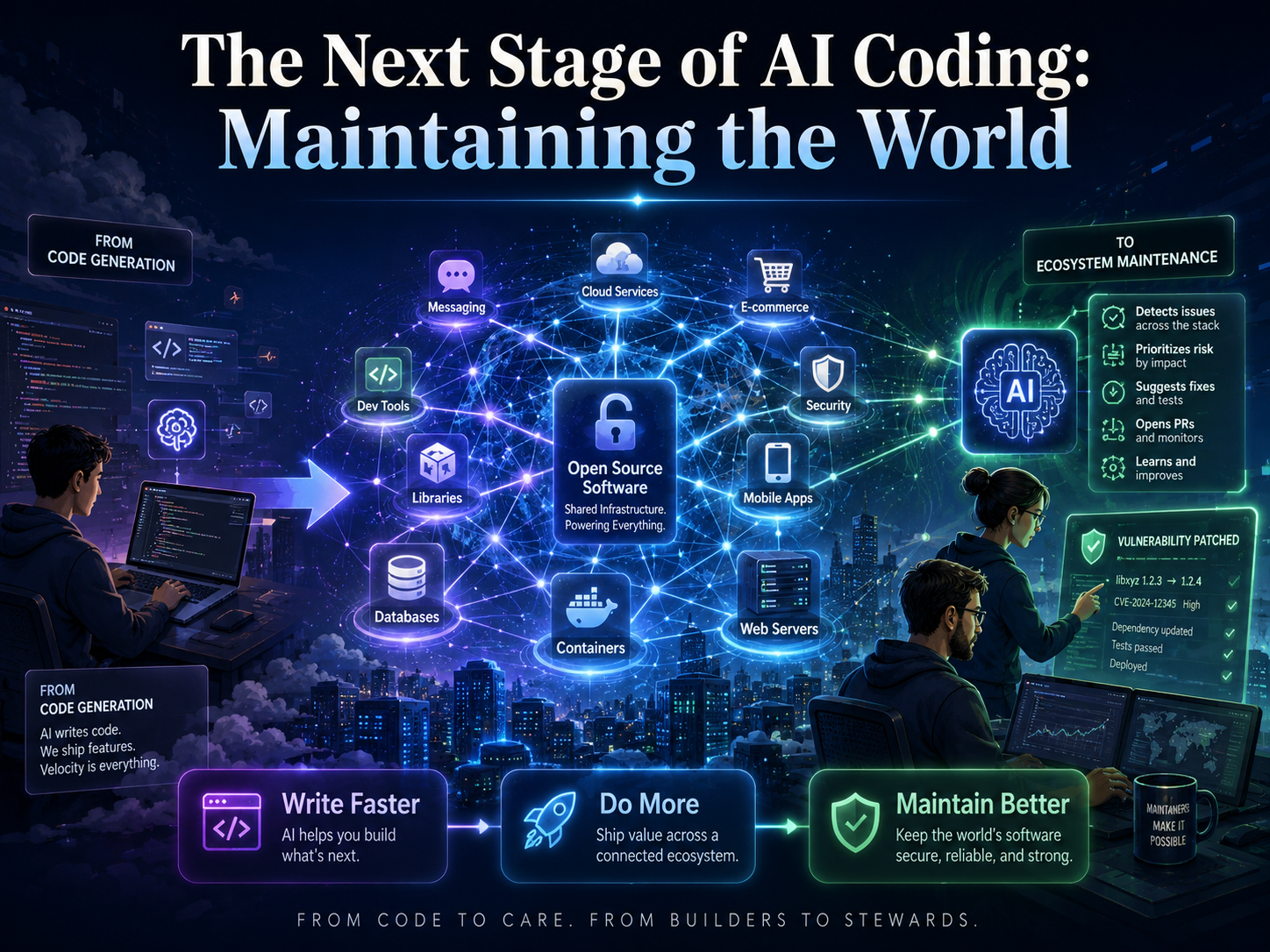
Figure 2: The next stage of AI coding — maintaining the world | AI-generated
Conclusion
People often ask whether AI will replace programmers. A better question might be: will AI first become a tool that helps programmers maintain the world?
Patch the Planet offers a concrete and promising answer. When AI is embedded into the right workflow, it can do more than help us write software faster. It can help the open-source ecosystem operate more safely and more sustainably. And that may be where the real long-term value of AI coding begins.
References:
- OpenAI. “Patch the Planet: a Daybreak initiative to support open source maintainers.” Published June 22, 2026. openai.com/index/patch-the-planet/
- OpenAI. “Daybreak: Tools for securing every organization in the world.” June 22, 2026.
- Trail of Bits. Open-source security research and collaboration role referenced in OpenAI Patch the Planet announcement.
All images are AI-generated for illustrative purposes related to the article topic.
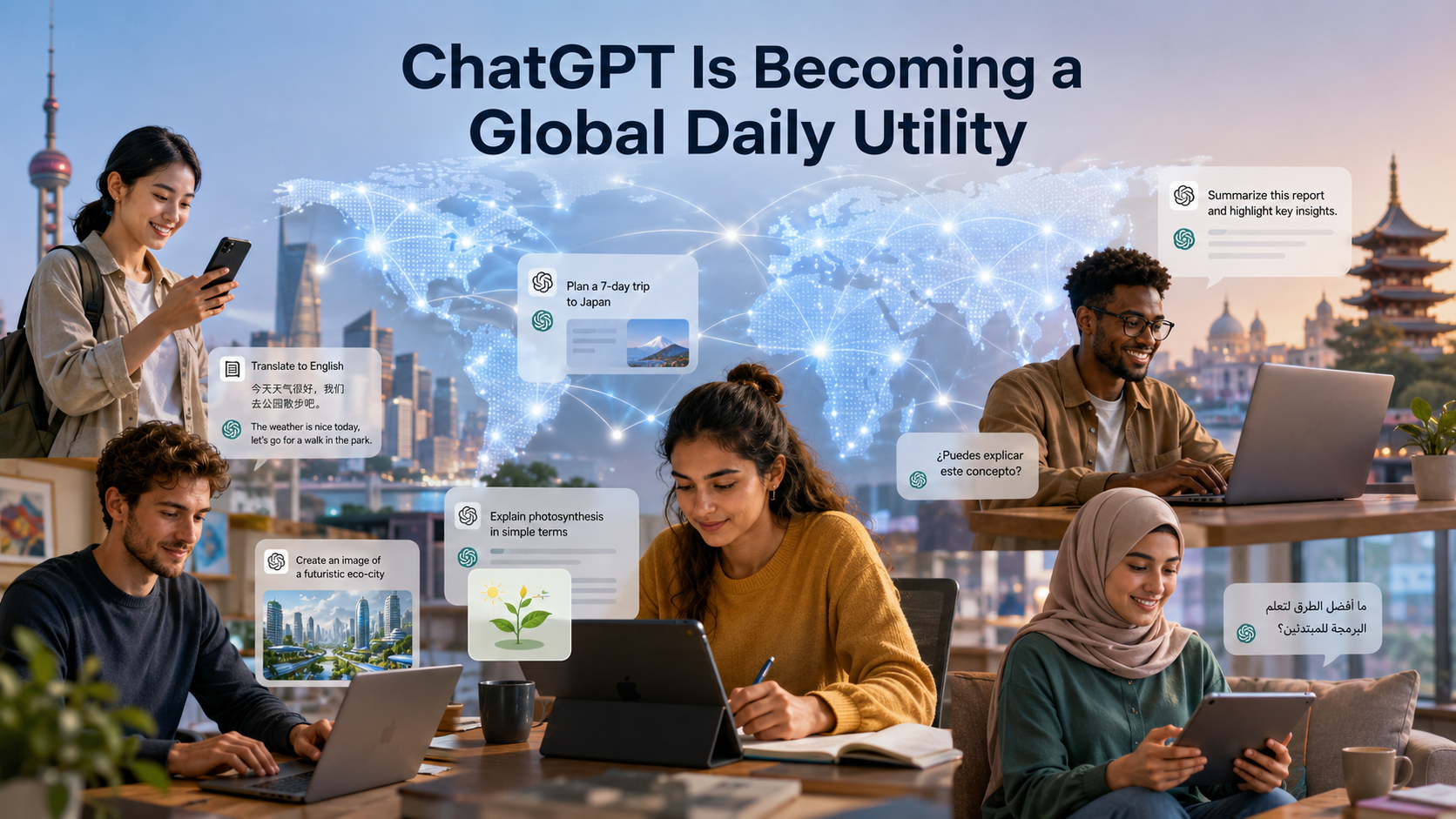
ChatGPT Adoption Shows AI Is Becoming a Daily Global Utility
OpenAI data reveals that users send 50% more messages after 6 months, non-English speakers now make up the majority of active users, and the number of distinct use cases per user has doubled — signaling ChatGPT is moving from a novel chatbot to a daily global utility.

AI Agents Are Moving From Chat to Delegated Work
OpenAI research shows 80.6% of Codex users have delegated tasks exceeding 30 minutes of human work. The age of AI-as-chatbot is giving way to AI-as-delegated-worker, and the implications extend far beyond software engineering.
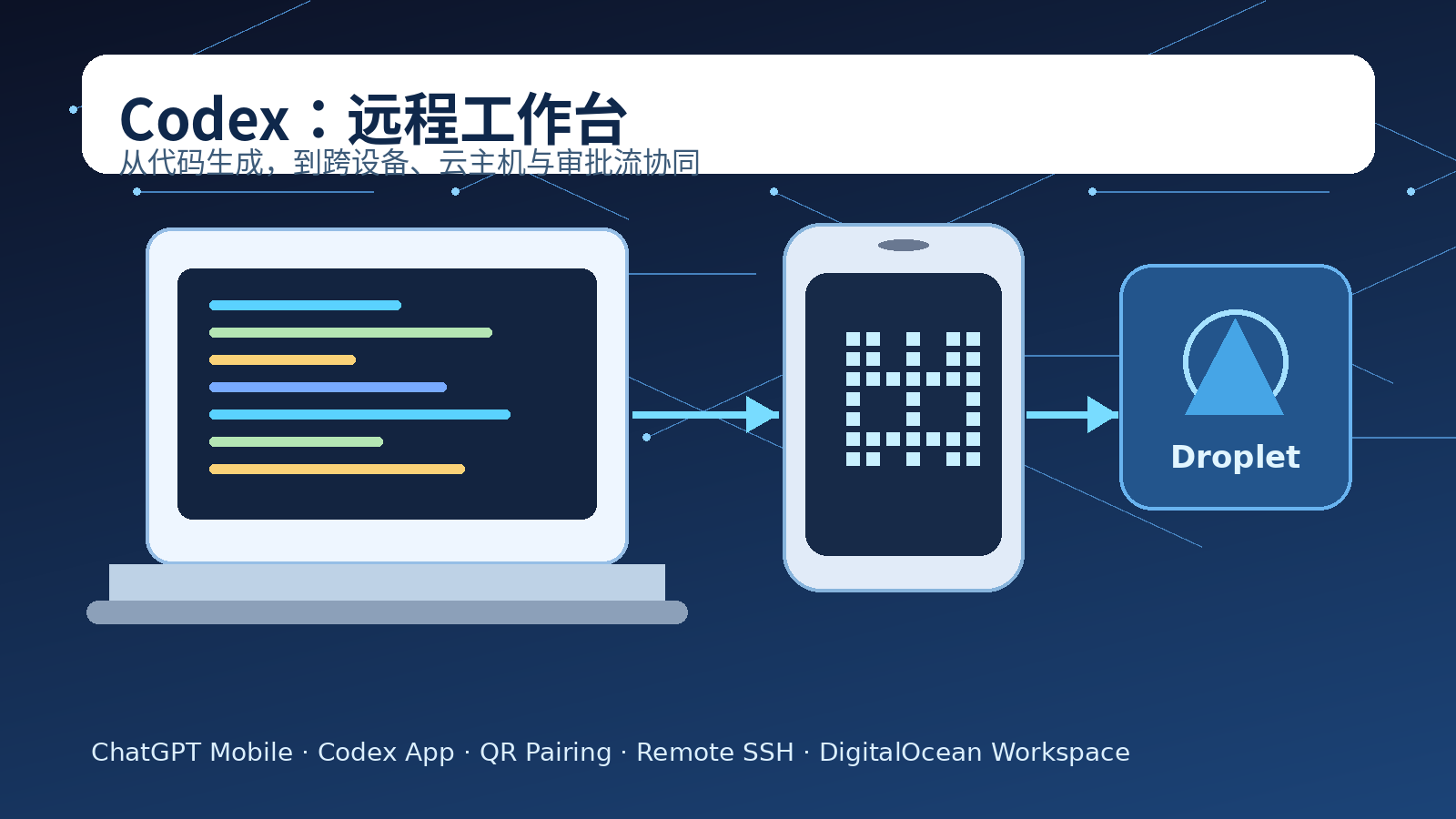
Codex Is Becoming a Remote Workspace, Not Just a Coding Tool
OpenAI Codex Remote reaches GA — Codex is shifting from a code generation assistant to a supervised remote workspace that connects mobile, hosts, SSH, and cloud environments into one workflow.