ChatGPT Is Becoming an AI Superapp
OpenAI’s reported ChatGPT redesign shows a shift from chatbots to task-running AI agents, with Codex at the center.
OpenAI is reportedly preparing the biggest redesign of ChatGPT since its 2022 launch. According to reports citing people familiar with the plan, the new experience will roll out over the coming weeks and will push ChatGPT beyond a chat box into a broader AI work interface.
The headline change is Codex. OpenAI’s fast-growing coding agent is expected to be folded more deeply into ChatGPT, alongside partner-built applications from companies such as Canva and Booking.com. The goal is not simply to answer questions. It is to let ChatGPT write code, manage workflows, connect to apps, and execute tasks on behalf of users.
One OpenAI employee reportedly summarized the shift bluntly: “The era of AI being used only for chat is over.”
From chat interface to work interface
For most users, the first visible change will be product-level. ChatGPT’s web and mobile interfaces are expected to add more prompts, entry points, and app-like surfaces that guide users toward coding tools, image generation, and third-party integrations.
At first, users may still choose whether a request should be handled by Codex or by the regular ChatGPT experience. But the longer-term direction is different: the model should eventually decide which tool, environment, or execution path is appropriate for the task.
That matters because the interface is moving from “ask and answer” to “delegate and supervise.” A user might connect email or Slack, describe a message verbally, let the system draft it, match recipients, and send it after approval. A calendar plugin could retrieve meeting context. A morning automation could summarize the day’s meetings and urgent inbox items.
The product question is whether ChatGPT can become the place where everyday users assign work to agents, not just the place where they ask for text.
Why Codex is central
Codex is not just another feature in this strategy. It is the operating layer that makes agentic work plausible.
Reports say GPT-5.5, released in April, improved long-horizon and multi-step task execution enough to make Codex more reliable with clear instructions. Developers have started to trust it for larger units of work, especially when they already have a concrete plan.
The usage numbers explain why OpenAI wants Codex in front of a much larger audience. Codex search interest reportedly surged in May, its user base grew sixfold in less than two months after the desktop app launched, and weekly active users passed 5 million by the end of May. Sam Altman reportedly told employees that overall Codex usage was growing about 5% per day, while Greg Brockman said enterprise revenue from Codex was growing 50% week over week.
Those figures make Codex both a product weapon and a business weapon.
The Anthropic pressure
This shift also reflects competitive pressure from Anthropic.
Claude Code changed the market’s expectations for coding agents. If coding agents accelerate software work, and software work accelerates AI research and product deployment, then falling behind in coding is not a narrow product problem. It is a strategic problem.
OpenAI responded by giving Codex more organizational weight. The company reportedly created a dedicated Codex team, increased collaboration between product and research, and later merged the ChatGPT, Codex, and API teams into a unified core product and platform group.
That restructuring signals a clear priority: OpenAI wants the model, developer platform, and consumer interface to move together.
The IPO logic behind the redesign
The business logic is just as important as the product logic.
Roughly 2 million enterprises reportedly use OpenAI products and contribute about 40% of revenue. OpenAI expects that share to rise to around half by the end of the year. Codex is attractive because many of its users are already paying customers, and because productivity tools are easier to monetize than casual chat.
That explains why consumer-facing projects with weaker monetization may lose priority while enterprise and agentic workflows get more resources. If OpenAI is preparing for a public-market future, it needs a clearer story than “many people chat with our bot.” It needs to show that ChatGPT can become a paid productivity platform.
The strategic bet is simple but risky: if even a small percentage of ChatGPT’s massive consumer base starts paying for agents that actually complete work, the revenue impact could be enormous.
The real question
This redesign is not only about a new interface. It is about a new default relationship with AI.
ChatGPT began as a conversation partner. OpenAI now wants it to become a task router, software operator, coding agent, and app platform. That is closer to an operating system than a website.
The unresolved question is whether hundreds of millions of people who are used to free or low-cost chat will pay for a digital worker that can create measurable value.
If they do, the next phase of AI will not be defined by who has the best chatbot. It will be defined by who owns the interface where people hand work to agents.
Sources
- Financial Times reporting on OpenAI’s planned ChatGPT overhaul, as cited by Reuters and Chinese technology media.
- 36Kr / Tencent Tech: “ChatGPT将迎来史上最大改版,‘AI只用来聊天的时代结束了’.”
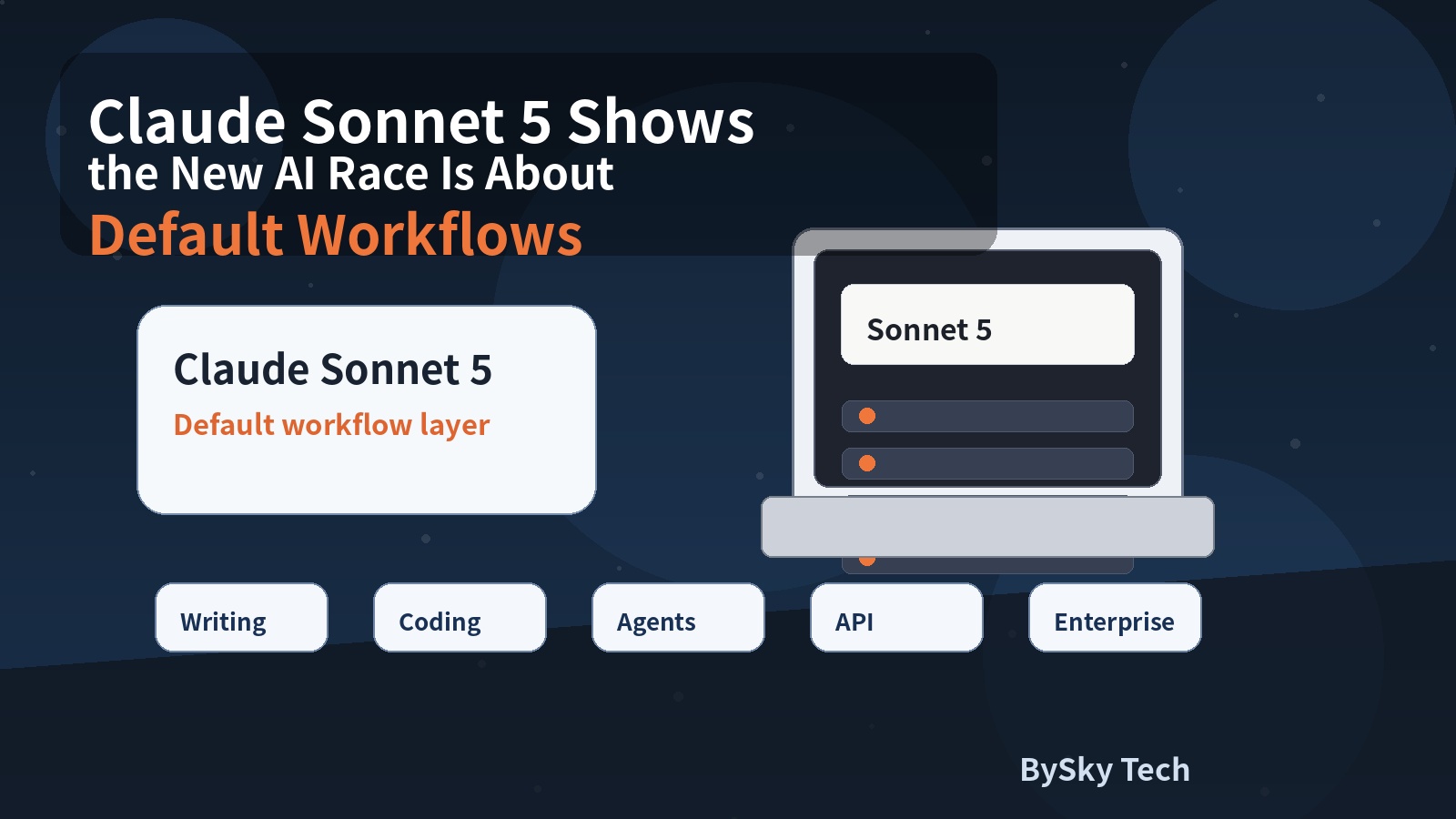
Claude Sonnet 5 Shows the New AI Race Is About Default Workflows
The next moat may be the place a model occupies in daily work, not only its benchmark score.

ChatGPT Adoption Shows AI Is Becoming a Daily Global Utility
OpenAI data reveals that users send 50% more messages after 6 months, non-English speakers now make up the majority of active users, and the number of distinct use cases per user has doubled — signaling ChatGPT is moving from a novel chatbot to a daily global utility.

AI Agents Are Moving From Chat to Delegated Work
OpenAI research shows 80.6% of Codex users have delegated tasks exceeding 30 minutes of human work. The age of AI-as-chatbot is giving way to AI-as-delegated-worker, and the implications extend far beyond software engineering.