The Things We Truly Have to Do in Life Are Few
A reflection on unfinished projects, health, family, and learning to stop before life itself becomes an endless task list.

For the part of me that always wants to finish one more thing.
Recently, I spent a great deal of time working on a small circuit board.
The plan was simple: add a sensor. But after I connected the wires and wrote the program, the device still refused to recognize it. I revised the code, checked the wiring, studied the logs, and tried one possibility after another. Nothing worked.
What surprised me was that I could not stop thinking about the problem even when the hardware was no longer beside me and there was nothing more I could actually test. Which wire was wrong? Had I damaged a pin? Was there another approach I had overlooked?
This was not the first time.
Whether I am experimenting with electronics, configuring a server, or writing a small program, I want to make progress quickly whenever the work interests me. At night, even when I know I should sleep, I tell myself that one more attempt might solve it.
Ten minutes becomes half an hour. Half an hour becomes two hours. By the time I finally close the computer, it is already well past midnight.
I have begun to realize that what keeps me awake is not always the problem itself. It is the discomfort of leaving something unfinished.
That realization led me to a larger question: what are the things a person truly has to do in life?
After thinking about it for a long time, I have come to believe that the list is much shorter than it first appears.
1. Take Care of the Body I Live In
I used to think that staying up late was harmless.
When I was absorbed in something I enjoyed, hours disappeared. My body might have been tired, but my mind remained excited. The exhaustion only became undeniable the next morning.
I was willing to spend several hours solving a technical problem, yet reluctant to spend half an hour going to bed earlier. Seen clearly, the priorities were backward.
A broken device can be repaired. A program can be changed. A project that is not finished tonight can still be waiting tomorrow. The body is different. It is not equipment that can simply be replaced when years of overuse begin to show.
I should not keep spending today’s health on work that can still be continued tomorrow.
Sleeping properly, eating real meals, and moving regularly are ordinary acts. That is precisely why they are easy to postpone. But they deserve more consistency than any single project.
2. Give Time to the People Who Matter
As I grow older, time feels less abstract.
Parents age. Children grow. The people beside us change gradually, often too slowly to notice from one day to the next.
I once treated companionship as something that could always be scheduled later. If today was busy, there would be tomorrow. If this week was full, perhaps next week would be easier.
But work and life never stop producing new tasks. A technical problem can wait until tomorrow. A device can be repaired next month. A particular evening with the people I love cannot be postponed and then recovered in exactly the same form.
I do not want to look back years from now and remember how I finally debugged a program while realizing how many ordinary moments with my family I allowed to pass unnoticed.
Some things can wait. Some seasons of life cannot.
I want to move more of my attention away from the screen and toward the people who are actually here.

3. Keep What I Love Without Becoming Trapped by It
To care deeply about something is a gift.
Learning a new technology, building something with my own hands, or slowly understanding a difficult problem can bring enormous satisfaction. These interests keep me curious. They add color to otherwise ordinary days. I do not want to give them up.
But I am learning to distinguish between two very different impulses.
One says: I enjoy this, so I want to spend time exploring it.
The other says: this is not finished, so I am not allowed to stop.
The first brings energy. The second can quietly take it away.
When a hobby turns into another compulsory task, and rest is permitted only after the problem has been solved, the pleasure that made the activity meaningful begins to mix with pressure.
I want to remain curious without turning every exploration into a contest that I must win.
Loving an activity does not mean I have to master it immediately. A personal project is allowed to be incomplete. An idea is allowed to wait until I have the time and strength to return to it.
4. Learn to Live With the Unfinished
Curiously, I am often more patient at work than I am with my own projects.
Work has schedules, phases, and problems that cannot yet be solved. I can usually accept that something unfinished today will continue tomorrow. With personal projects, that patience disappears. Perhaps it is because there is no formal stopping point. Perhaps it is because interest and expectation make the finish line look permanently close.
There is always one final adjustment, one more idea, one more improvement.
But life is not designed to let us finish everything. There will always be more knowledge than we can learn, more problems than we can solve, and more ideas than we have time to build.
If I repair the circuit board today, tomorrow I may want to add another function. As soon as a website goes online, a new list of improvements appears. If I insist on waiting until every task is complete before I allow myself to rest, rest will never arrive.
Finishing something is a skill. Allowing something to remain unfinished for now is also a skill.
I want to learn how to stop at the right moment—not because I have given up, but because I can recognize that I have done enough for one day and trust tomorrow with what remains.
5. Actually Live the Ordinary Days
I have always liked setting goals for myself.
I want to learn new things, acquire new skills, and turn the ideas in my head into working objects. Goals give me energy. But I have also started to ask whether constant attention to the next task prevents me from noticing the life already taking place.
I do not want my life to become a list that can never be completed.
I want to walk with my family on the weekend and notice parts of the city I normally pass without seeing. I want to put my work aside on a bright afternoon and read quietly. Sometimes I want to do nothing at all, without having to prove that the time produced a measurable result.
Life cannot consist only of output, efficiency, and progress. The quiet moments that appear unproductive now may become the ones I value most years later.
I do not have to wait until everything is ready before I begin enjoying my life.
Life is not a project awaiting delivery. It is happening every day.
A Note to Myself
Writing this does not mean I have already learned how to let go.
The next interesting technical problem may still pull me into hours of investigation. Late at night, I may still feel the urge to make “one last attempt.” Habits do not disappear simply because they have been recognized.
But at least I am beginning to ask a better question: what is truly worthy of my limited time?
I hope I can keep my curiosity about the world, my willingness to work carefully, and my ability to carry responsibility for my family and daily life. I also hope I can protect my health, cherish the people beside me, and leave a little freedom for myself.
Most of all, I want to become more at ease with regret and incompleteness.
If I had to write the most important list for my life, it would contain only a few lines:
A healthy body. People to love. Work worth doing. Time to live. And the courage to accept what remains unfinished.
The devices that are not yet repaired, the programs that are not yet written, and the ideas that are not yet realized can unfold slowly. I will still try to do the things I love well. I simply want to remember that life’s purpose is not to finish everything.
It is to live what truly matters, as well as I can, within the time I have.
Tonight, if one task remains unfinished, I want to try closing the computer first.
I can rest.
Tomorrow is still allowed to continue the work.

Nietzsche’s Philosophy
What remains when inherited sources of truth, morality, and meaning lose their authority?
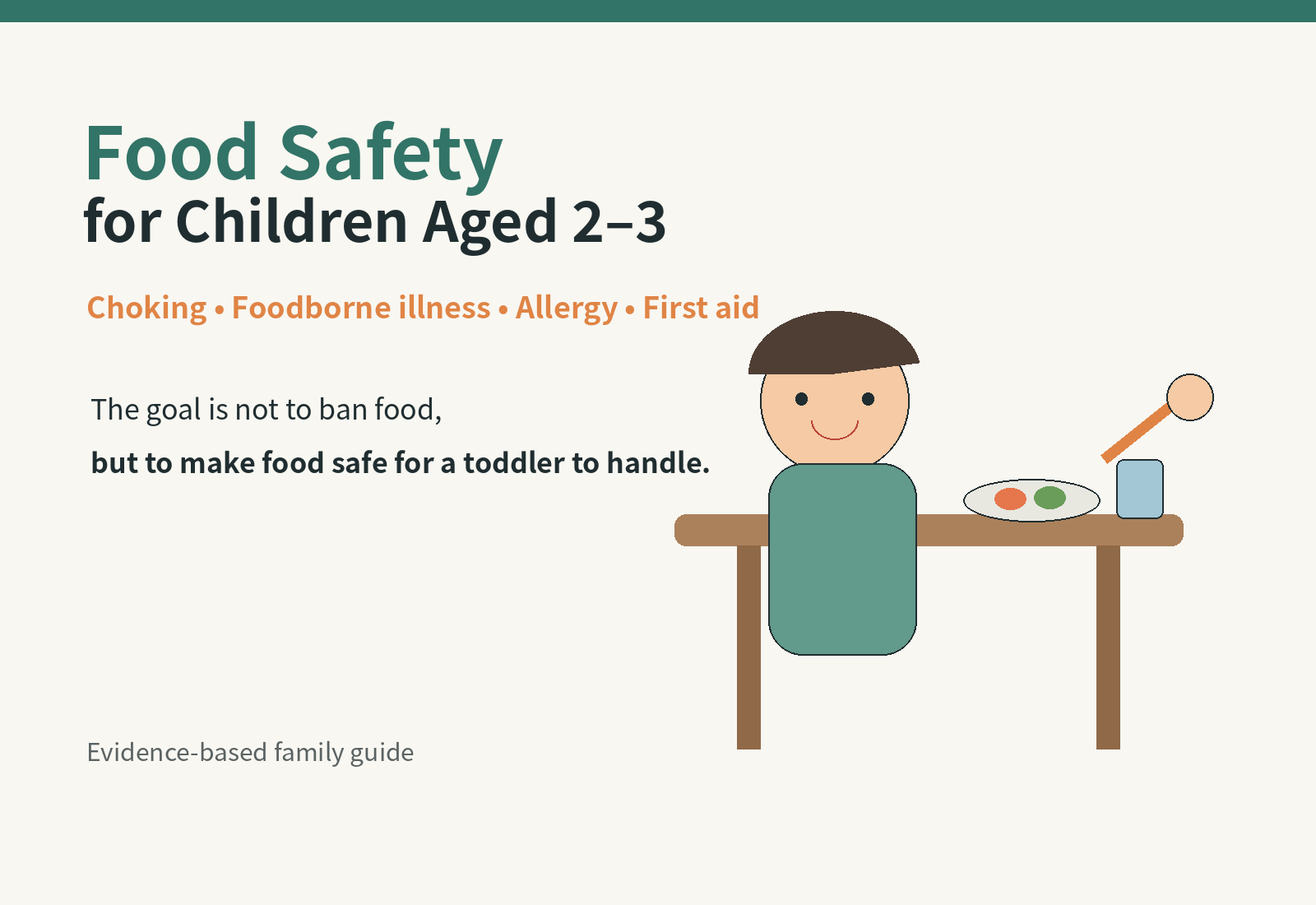
Food Safety for Children Aged 2–3: A Practical, Evidence-Based Family Guide
An evidence-based family guide to choking prevention, foodborne illness, allergy emergencies, fish safety and first aid for toddlers aged 2–3.
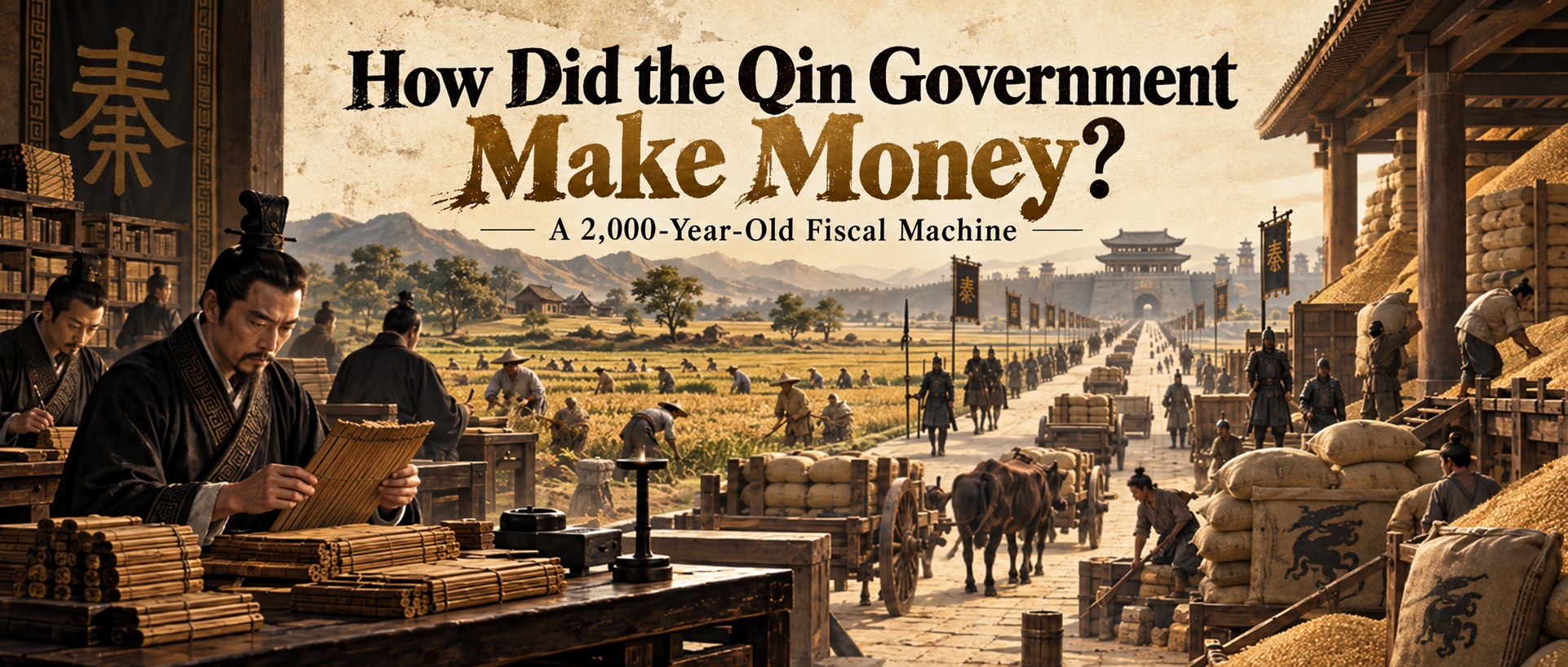
From Land Taxes to Corvée Labor: How Qin Funded an Empire
Qin had no modern income taxes or bond market. Its fiscal power came from turning land, households, grain, labor, and military manpower into resources the state could identify and mobilize.